This initiative was outlined by the Prime Minister in a new plan for universal health insurance implementation, issued on 13/5. The Ministry of Health and the Ministry of Finance are tasked with developing a pilot resolution for this scheme, to be completed by Q4/2028.
Beyond covering certain preventative services, the government also aims to broaden revenue sources to ensure the sustainable operation of the Health Insurance Fund, especially given the growing demand for medical examinations and treatment. Concurrently, the Ministry of Health and the Ministry of Finance must develop pilot mechanisms for additional health insurance packages tailored to public needs, with completion expected by Q2/2028. Health insurance will also increase integration with commercial health insurance plans to avoid duplicate payments.
According to the roadmap, citizens' health insurance contributions will increase from 2027, coinciding with an expansion of benefits and coverage levels. The State will also boost support for near-poor households, people with disabilities, vulnerable individuals, and other policy groups. Starting from Q2/2027, patients will be channeled between specialized levels to reduce the burden on higher-level hospitals for minor and common ailments. Hospitals are also expected to research criteria for patient discharge on weekends, holidays, and public holidays to alleviate overcrowding. New medical service prices, effective this month, will incorporate management costs.
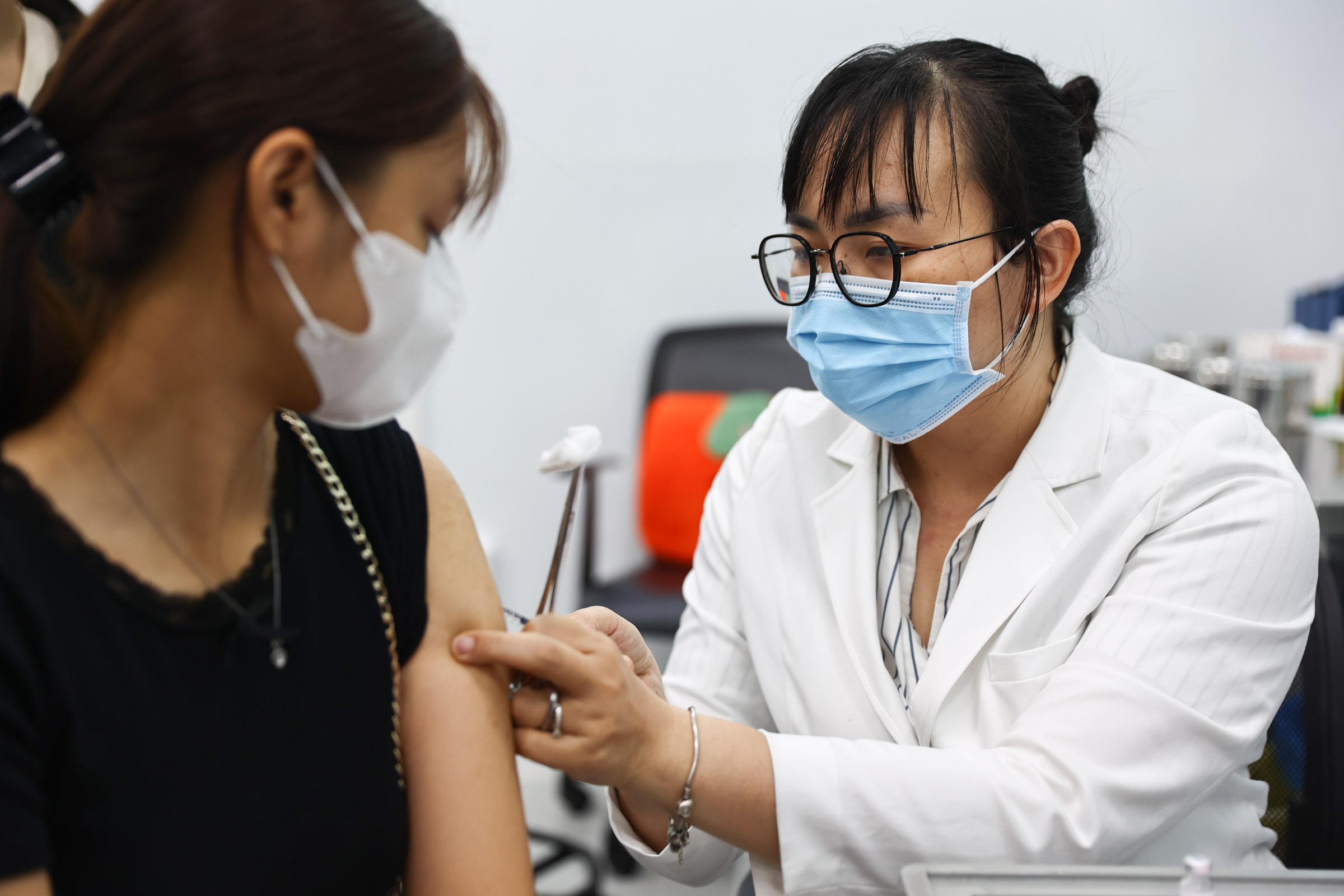 |
People receive vaccine injections at Pasteur Institute Ho Chi Minh City, 8/2025. *Quynh Tran*
Vietnam aims to achieve a health insurance coverage rate of 95.5% of the population this year, moving towards universal coverage by 2030. From this year, the Health Insurance Fund is also expanding its scope of payment for certain chronic diseases, regular health check-ups, and requested screening examinations.
According to the Ministry of Health, Vietnam records over 100,000 tobacco-related deaths annually, incurring approximately 108 trillion VND in medical costs and economic losses. From 2012 to 2025, the tobacco tax rate as a percentage of the retail price in Vietnam was about 36.8%. This figure is significantly lower than the World Health Organization's recommended 70-75% and falls short of many ASEAN countries like Thailand and Singapore.
Under the revised Law on Special Consumption Tax, tobacco will be subject to a mixed tax system from 2027, combining the current 75% ad valorem tax rate with a gradually increasing absolute tax, starting from 2,000 VND per pack in 2027 and rising to 10,000 VND in 2031. Vietnam is also among the countries with high alcohol consumption. In 2024, beer consumption reached approximately 4.4 billion liters, while soft drink consumption was 4.7 billion liters, an increase of nearly 5% compared to the previous year. The beverage industry currently contributes about 60 trillion VND to the State budget annually, with over 40 trillion VND coming from special consumption tax alone.
Vu Tuan