 |
In the post-pandemic era, many countries are competing to attract location-independent individuals, including remote workers, entrepreneurs, and retirees. These individuals can bring income, investment capital, and economic activity to their chosen places of residence.
To draw this demographic, numerous nations have introduced incentive policies such as financial aid, housing support, tax benefits, startup assistance, and favorable visa programs. Below is a list of seven European countries with policies offering financial support for long-term residents in 2027.
Italy
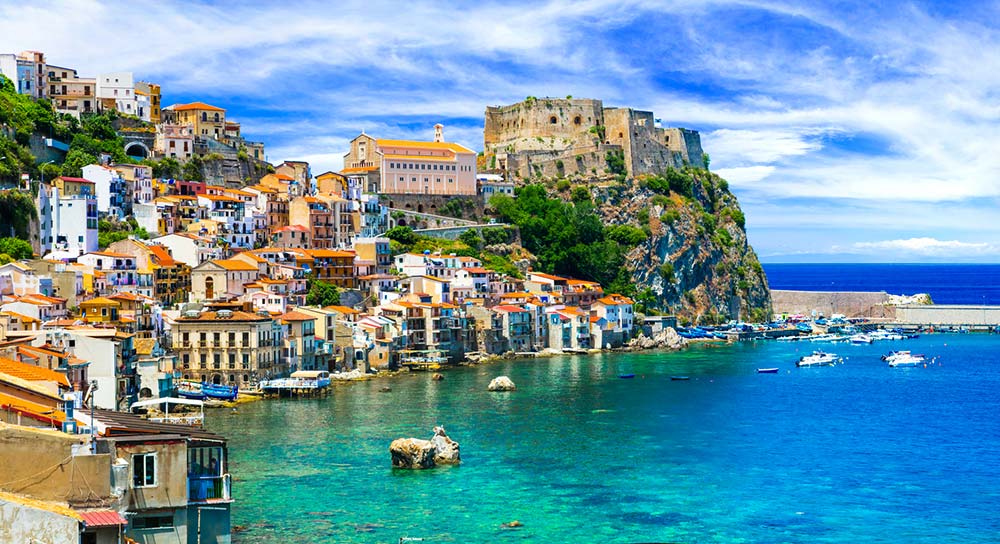
Italy's policies primarily aim to revitalize rural communities facing population decline, rather than attracting visitors to major cities. Regions like Calabria, Sardinia, and Molise have launched financial incentive programs, offering up to 30,000 EUR (approximately 900 million dong) to individuals willing to relocate to small towns, start businesses, or contribute to local economic recovery.
Italy's renowned one-euro home schemes offer another option for those willing to trade convenience for a slower pace of life. Pictured is the Scilla area in the Calabria region. *Photo: Travel and destinations*
 |
Switzerland
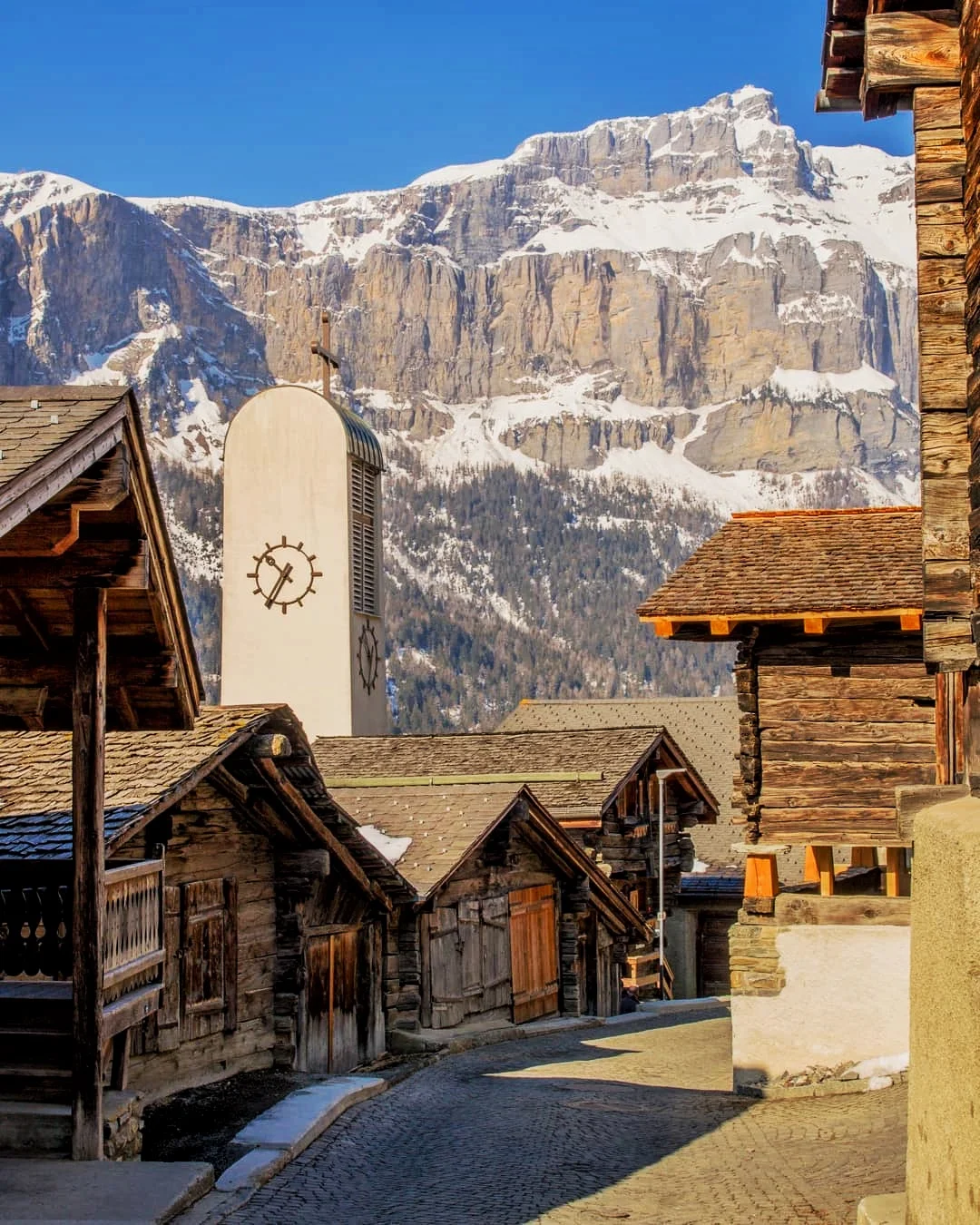
Switzerland's long-term residency incentives focus on small Alpine communities experiencing population decline. The village of Albinen (pictured), located in the Valais Alps, provides grants of nearly 27,000 EUR (approximately 815 million dong) per adult and almost 11,000 EUR (approximately 330 million dong) per child for those wishing to reside there long-term.
Applicants must possess legal residency rights in Switzerland (similar to a green card), be under 45 years old, and commit to living in Albinen for a minimum of 10 years; otherwise, they must repay the subsidy. *Photo: Swisssage*
 |
Spain
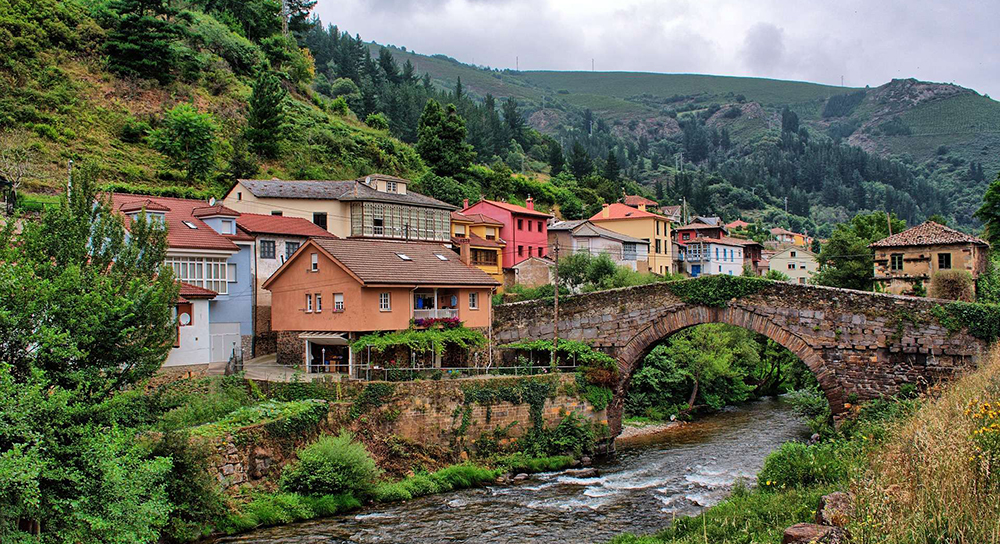
Rural regions, including Asturias (pictured) and Galicia in northern Spain, have experimented with programs to attract new residents through various forms of support, such as housing, employment, tax incentives, and local subsidies.
To participate, applicants must qualify for a Spanish visa or residency permit through employment, entrepreneurship, retirement, or a digital nomad visa. *Photo: Piso Libre*
 |
Greece
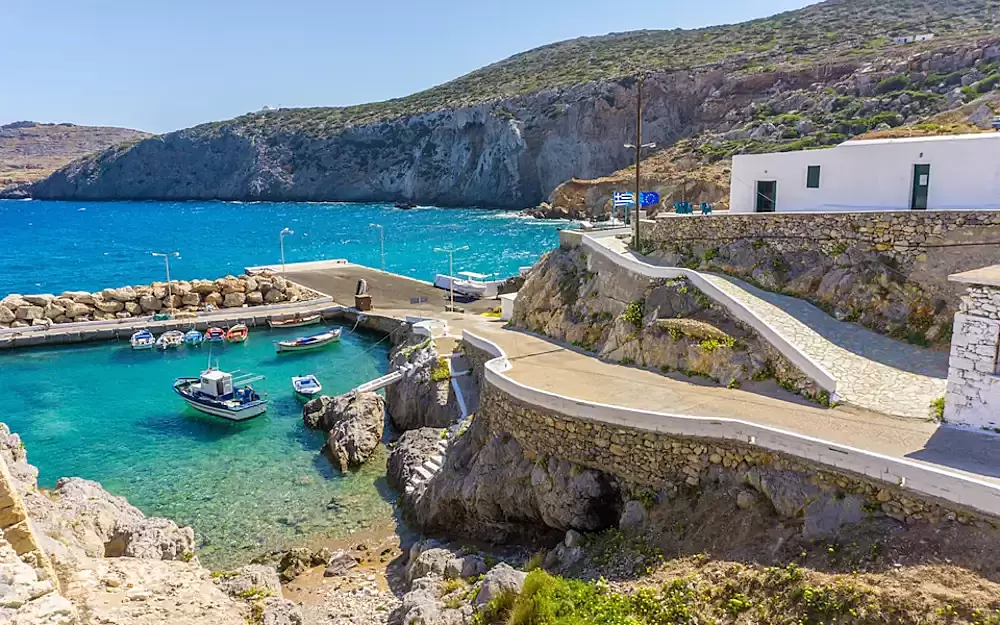
The authorities of Antikythera island (pictured) previously offered support for newcomers seeking long-term residency, including housing, land, and a grant of approximately 500 EUR (15 million dong) per month for several years. The island's appeal lies in its slow pace of life and lower housing costs compared to trendy Greek destinations like Santorini and Mykonos.
Applicants must secure legal residency through options such as a digital nomad visa, job opportunities, or a retirement residency before joining the local support program. *Photo: Greek reporter*
 |
Ireland
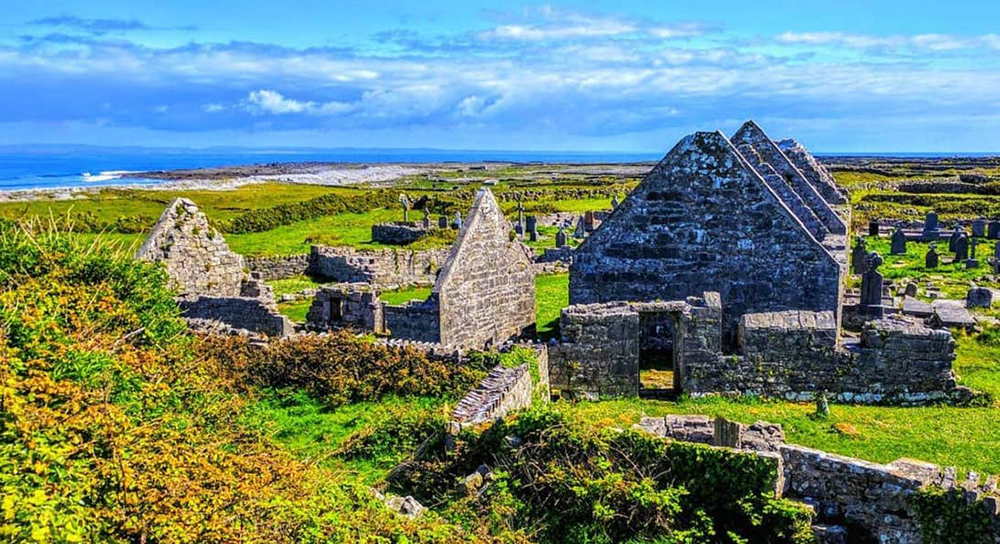
Ireland is focusing on revitalizing 23 sparsely populated offshore islands, including the Aran Islands and Achill. Individuals relocating for long-term residency can receive support of up to 84,000 EUR (approximately 2,5 billion dong) to renovate dilapidated homes and move in.
These islands boast impressive Atlantic landscapes, close-knit communities, and a slow pace of life, but also present challenges such as limited services and small job markets. *Photo: Discover Islands*
 |
Croatia
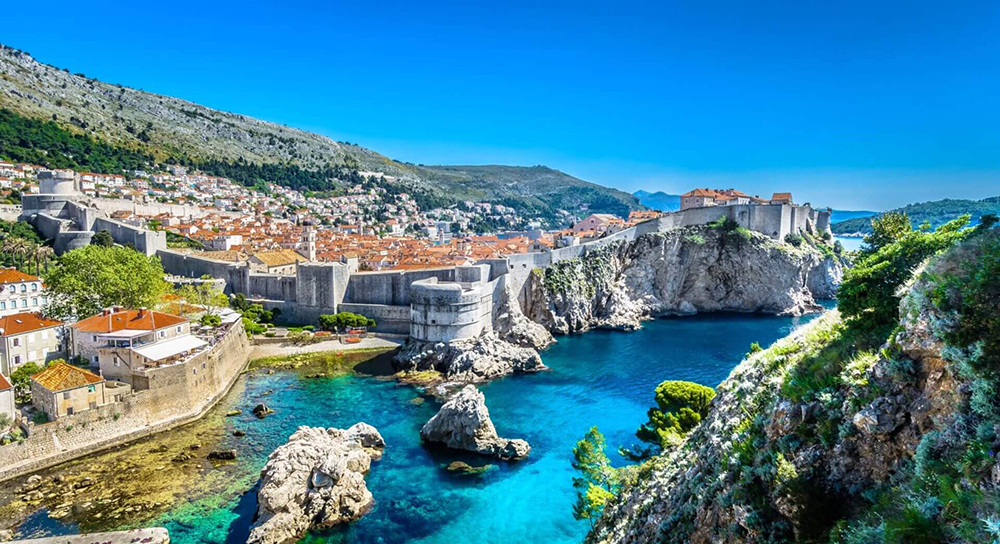
Croatia's appeal extends beyond its Adriatic coast (pictured) to its favorable policies for digital nomads.
Croatia allows individuals working remotely for foreign companies to reside in the country for up to one year. Some localities experiencing population decline also offer financial assistance for new arrivals to purchase or renovate homes or properties if they are willing to settle. *Photo: Sun Island Tours*
 |
Estonia
Considered one of Europe's most digitally advanced nations, Estonia focuses on attracting entrepreneurs, startups, and technology sector workers.
Through initiatives like Startup Estonia, the country supports international founders in accessing startup resources; meanwhile, the Startup Visa program enables non-European Union entrepreneurs to establish and operate businesses in Estonia.
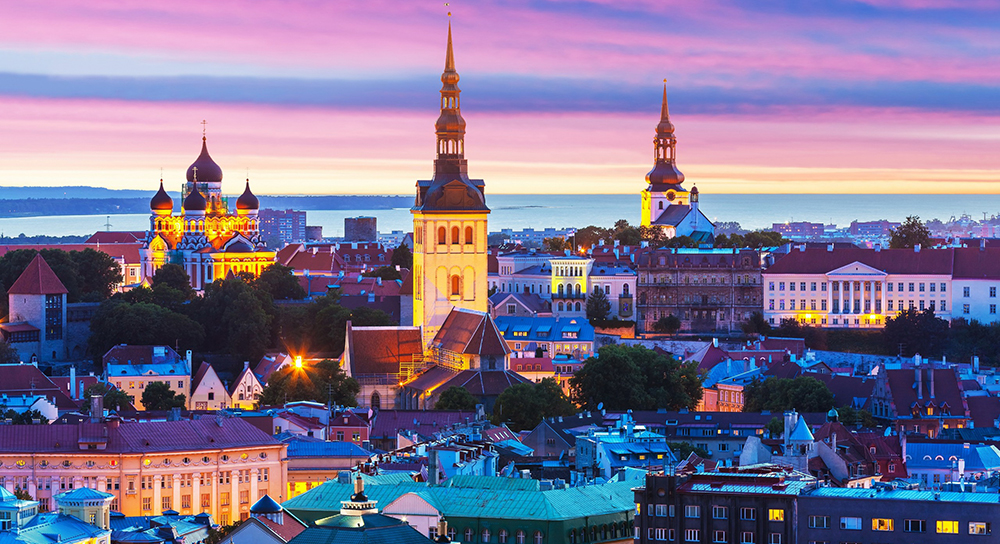
Estonia's digital infrastructure has also helped establish Tallinn (pictured), its capital, as a hub for technology companies and businesses prioritizing remote work models. *Photo: Fity club*
Anh Minh (Source: AOL)