 |
The United States is home to many famous trees that attract visitors, offering a different perspective compared to its familiar skyscrapers and luxury entertainment venues. This list of six notable trees, compiled from suggestions by the US Embassy in Hanoi and UCNJ, a community college in New Jersey, highlights unique aspects of the country's natural heritage.
These selected trees are widely recognized by Americans and share common characteristics: they mark historical milestones or possess unique qualities in terms of size, age, or origin.
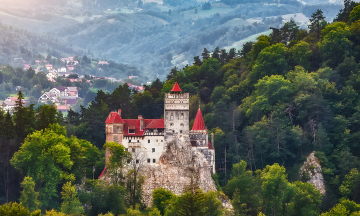
Cherry blossom trees, Washington D.C.
More than 3,000 cherry blossom trees were a gift from Japan to the United States in 1912, symbolizing peace and friendship between the two nations. Over a century later, their blooming season remains a major attraction, drawing many tourists to Washington D.C.
In 2026, Japan will donate another 250 cherry blossom trees to the United States, commemorating the 250th anniversary of the country's founding and further strengthening the symbolic ties between the two nations.
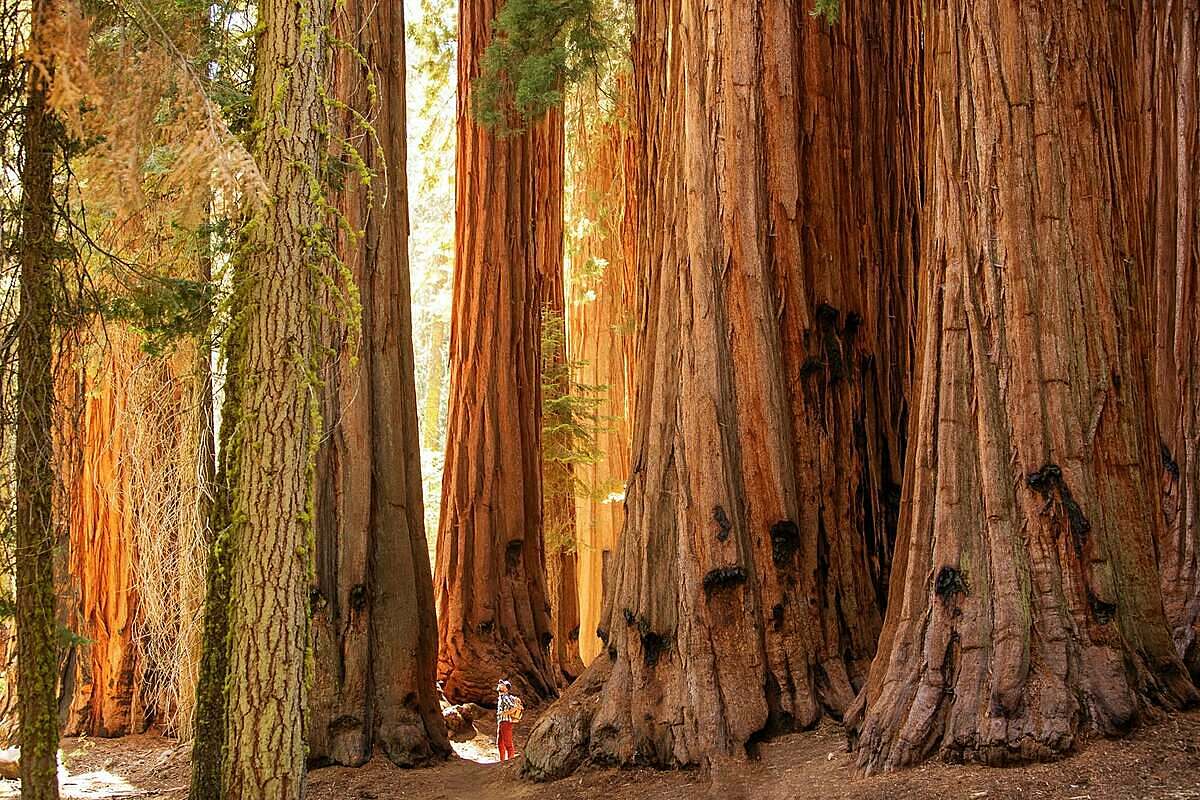 |
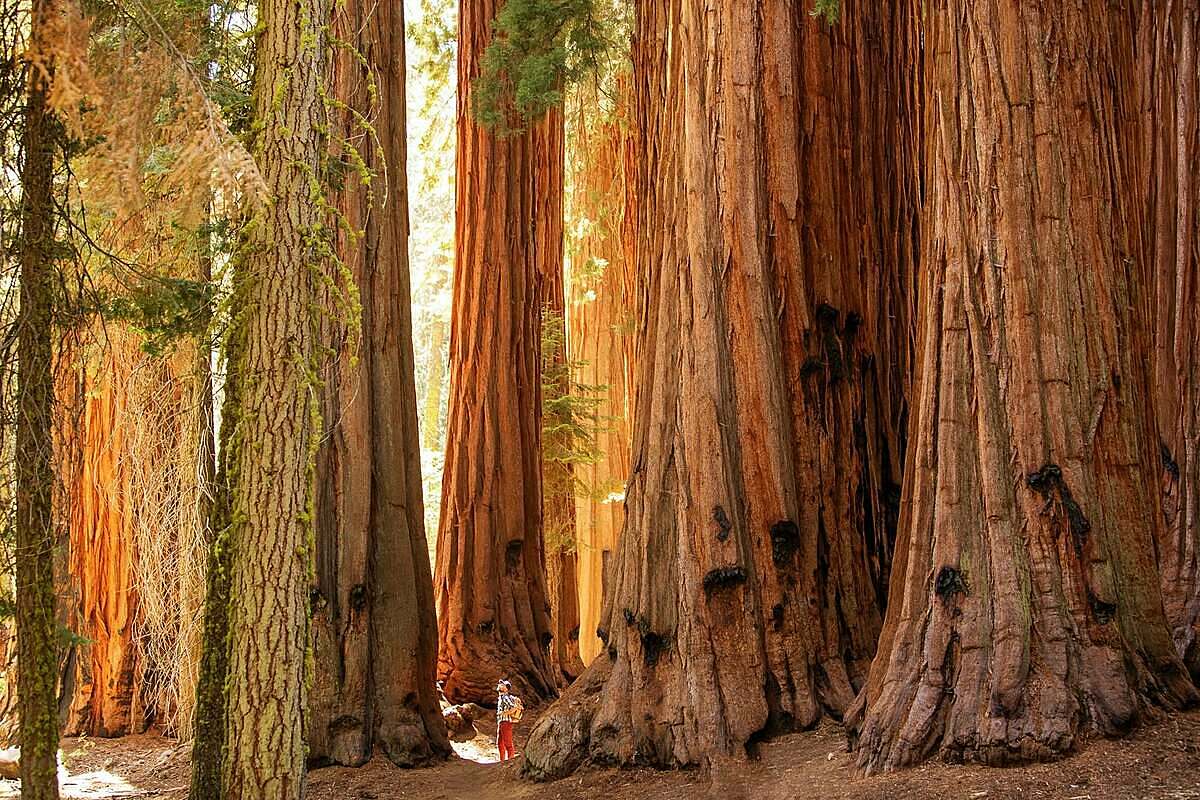
General Sherman Tree, California
The General Sherman Tree, located in Sequoia National Park, is nearly 2,200 years old. It holds the record as the world's largest tree by volume, standing as tall as a 25-story building, with a base circumference exceeding 31 meters and a mass of thousands of tons.
The tree is named after William Tecumseh Sherman, a general in the Union Army during the American Civil War.
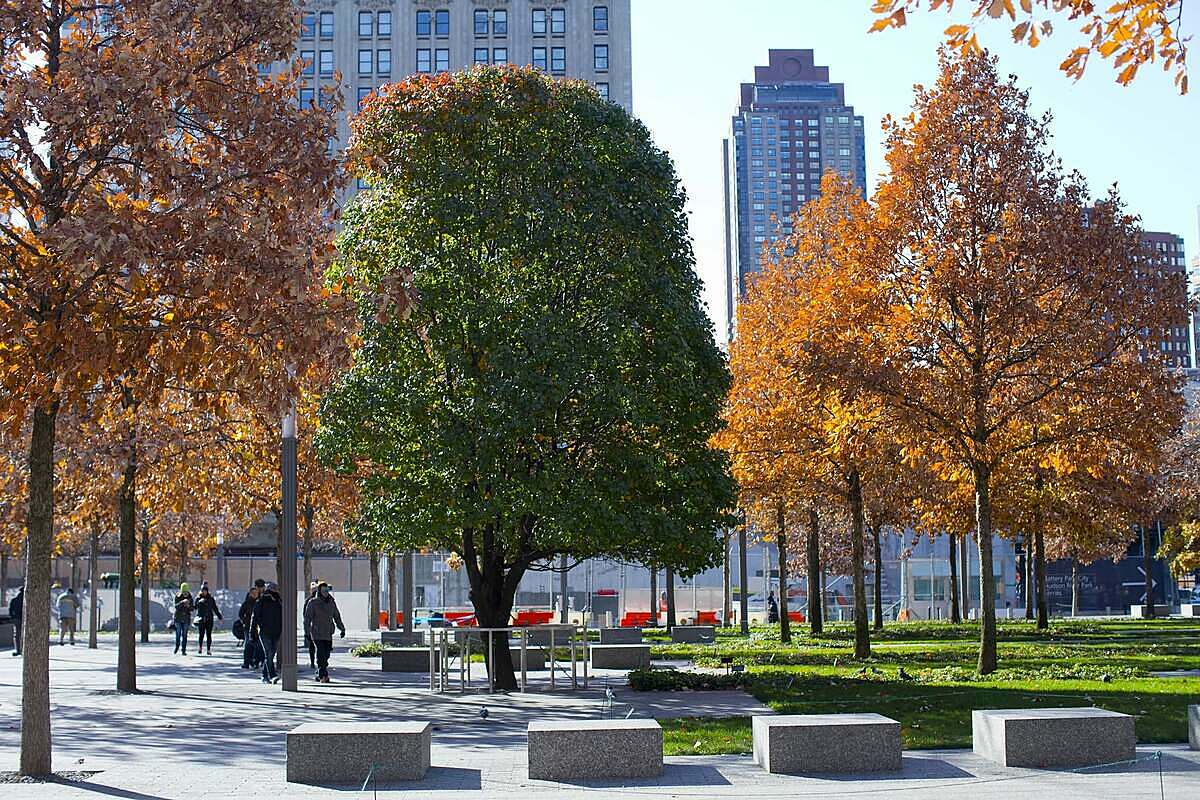 |
Survivor Tree, New York City
Severely burned and damaged, a Callery pear tree, known as the Survivor Tree (pictured with a protective fence), was recovered from the rubble of the World Trade Center following the terrorist attacks on 11/9/2001. It received careful treatment for recovery.
The tree was replanted at the 9/11 Memorial in 2010, becoming a powerful symbol of survival, resilience, and rebirth.
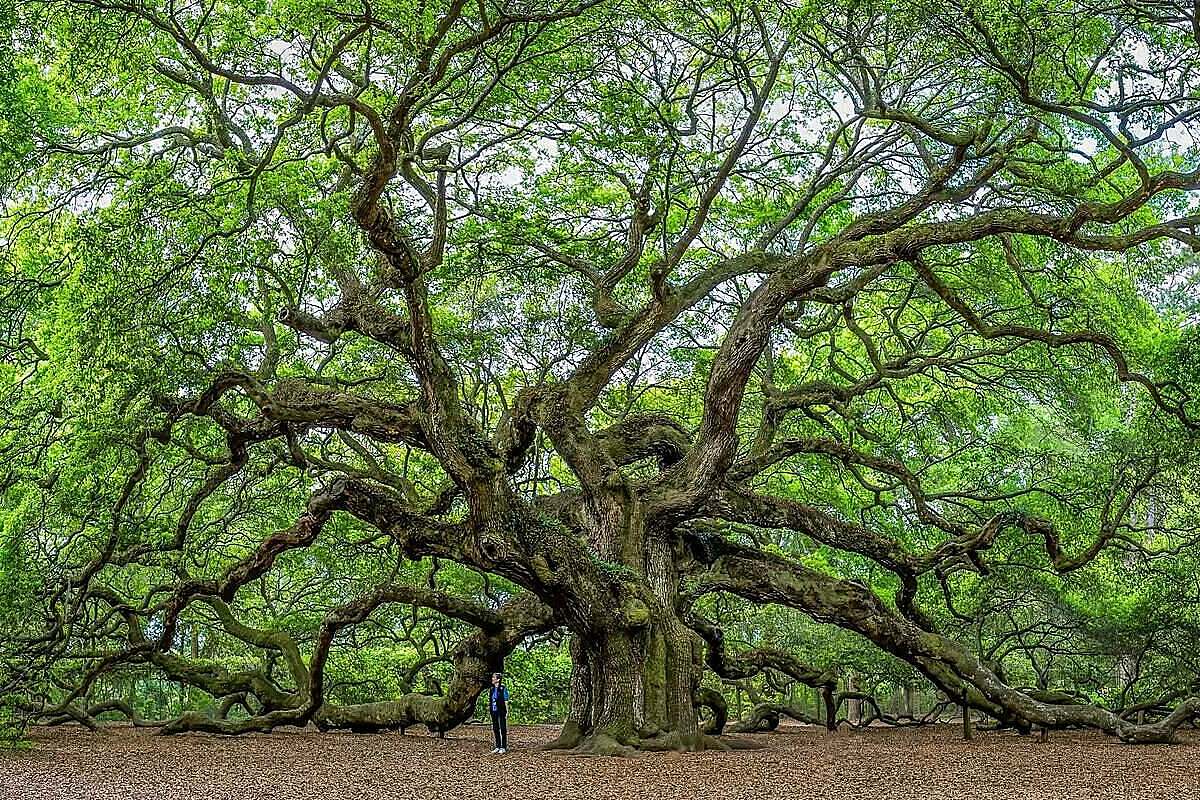 |
Angel Oak, South Carolina
Angel Oak, situated on Johns Island near Charleston, is at least 400 years old and a popular landmark in South Carolina.
The tree stands over 20 meters tall with a canopy spread of approximately 1,580 square meters. Characteristic of oak species that grow horizontally rather than vertically, Angel Oak impresses with its massive size and extensive branch system.
This tree has withstood numerous storms and regional land development plans. In 5/2026, Angel Oak was listed on the National Register of Historic Places.
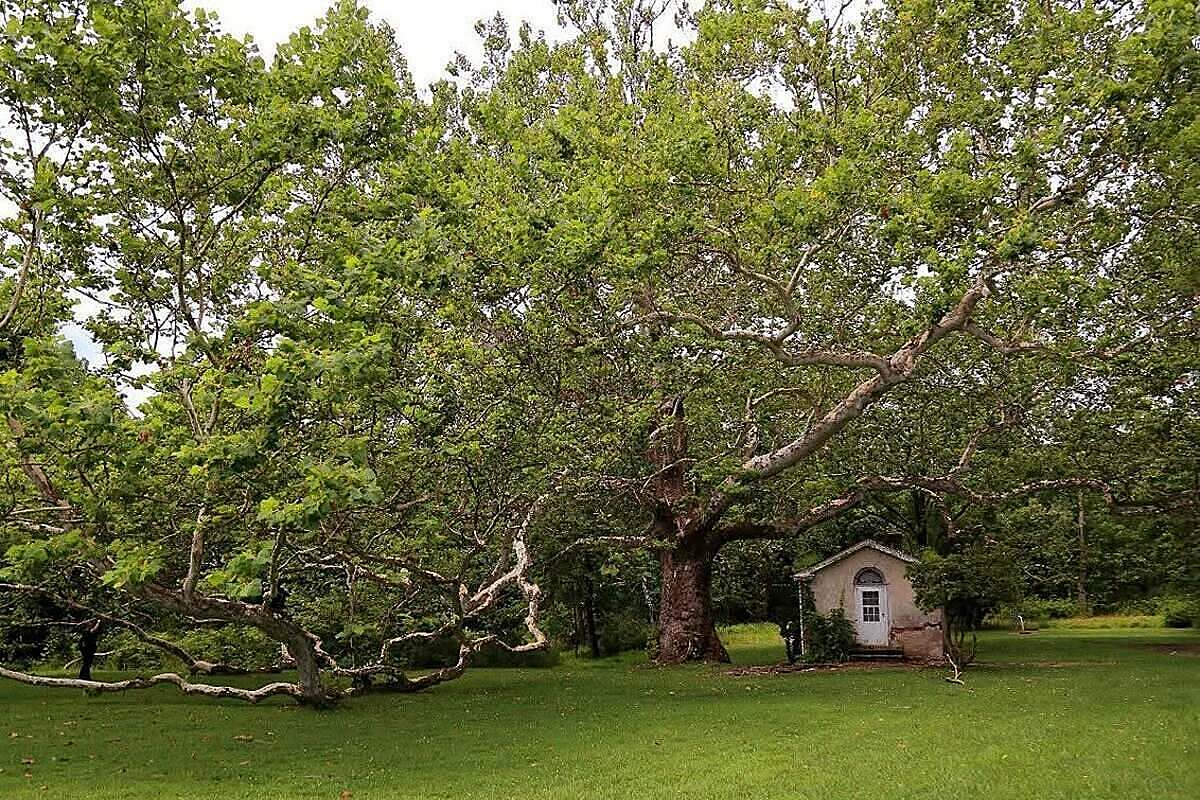 |
Pawling Sycamore, Pennsylvania
The Pawling Sycamore, nearly 300 years old, stands in Valley Forge National Historical Park, Pennsylvania. It is considered a living witness to a crucial period in American history, having survived the winter of 1777-1778, when General George Washington and the Continental Army encamped there.
In 12/1777, about 12,000 soldiers under Washington chose this area near Philadelphia for their winter quarters, as the city was then under British control. The army built camps and used local wood for shelter and heating.
According to local records, the Pawling Sycamore is the only ancient tree in the area that survived that winter.
 |
Post Oak, Alabama
In Eufaula, Alabama, once stood an ancient Post Oak, approximately 20 meters tall. The tree survived a major tornado and a fire in 1919.
Local residents believed the tree possessed special power and petitioned the authorities to recognize its right to own itself.
In 1936, a monument was erected next to the tree, accompanied by a deed from Eufaula Mayor I.E.H. Graves, acknowledging the oak's right to own itself and the surrounding land, provided the tree remained alive.
The Post Oak died in 1961, at over 200 years old. Residents later planted another oak in its place. This site remains a popular tourist attraction. Video: Uncover Alabama. *Anh Minh (According to U.S embassy in Hanoi, UCNJ)*
*Photos: Tripadvisor, U.S embassy in Hanoi*