 |
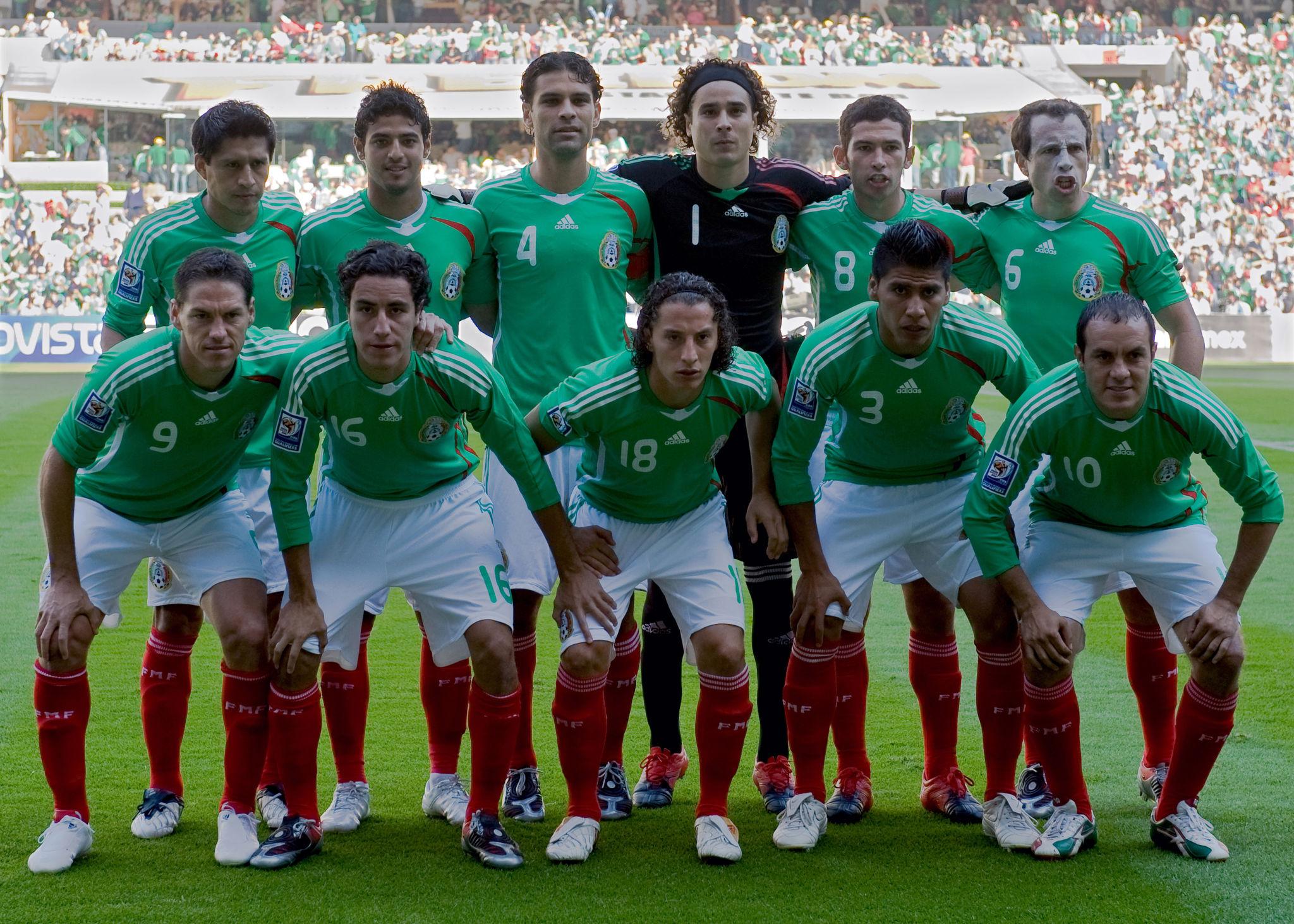
The Mexico national football team at their home, Estadio Azteca. |
Estadio Azteca will become the first stadium in history to host matches across three World Cups when it stages the opening match of the 2026 World Cup this June.
Beyond the World Cup, Mexico's hallowed ground of football has hosted numerous major sports and entertainment events, including the Olympics, rugby matches, and international concerts. However, fans most remember Estadio Azteca for the 1970 and 1986 World Cups, when it hosted both the opening and final matches.
This iconic stadium is also where football legends Pele and Diego Maradona lifted the world championship trophy, cementing its special place in football history.
The 2026 World Cup will take place across 16 stadiums in the US, Canada, and Mexico. Among these, Estadio Azteca stands out as the most symbolic venue, linked to memorable moments for generations of fans.
 |
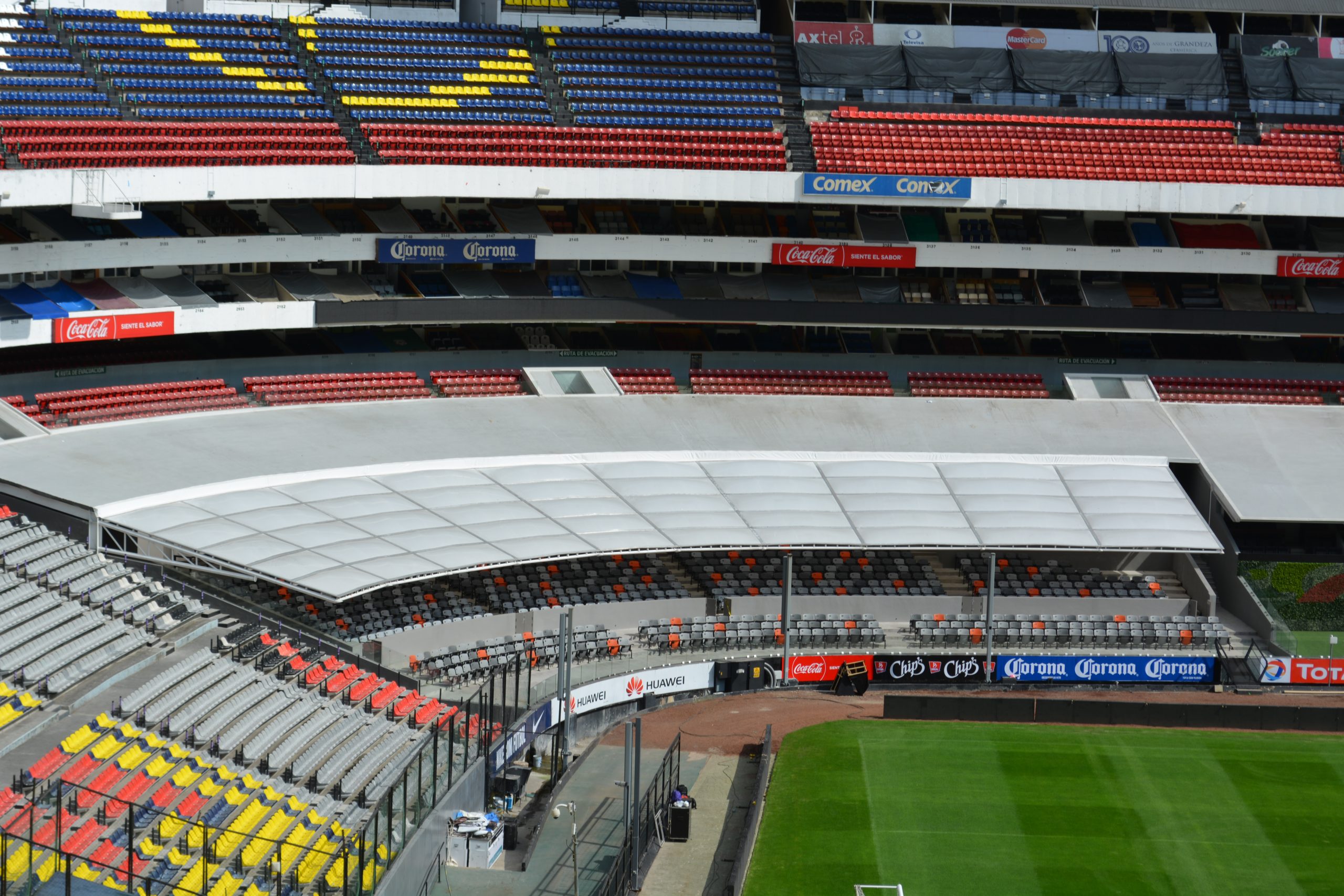
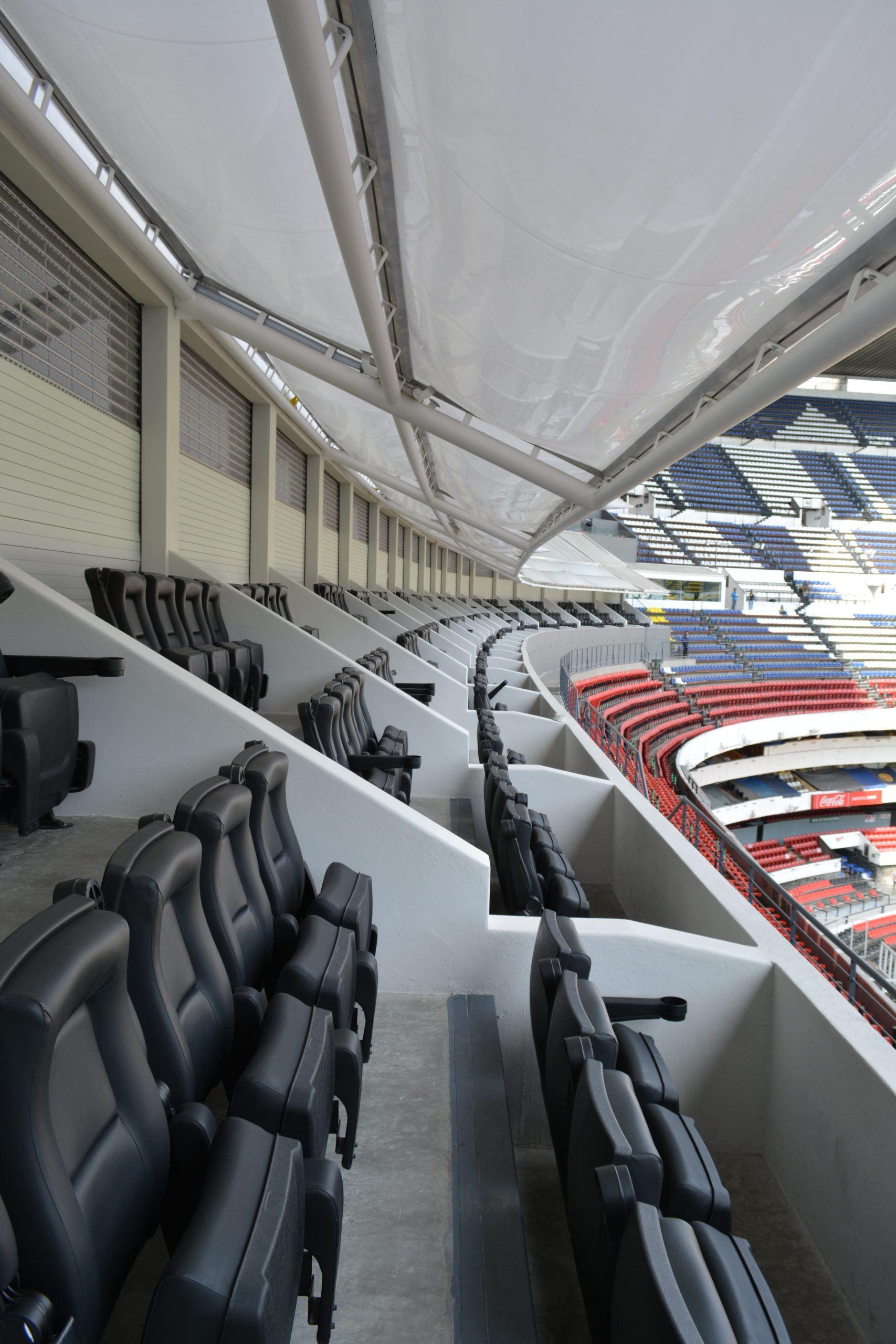
Seating and roof in the VIP area of the stadium. |
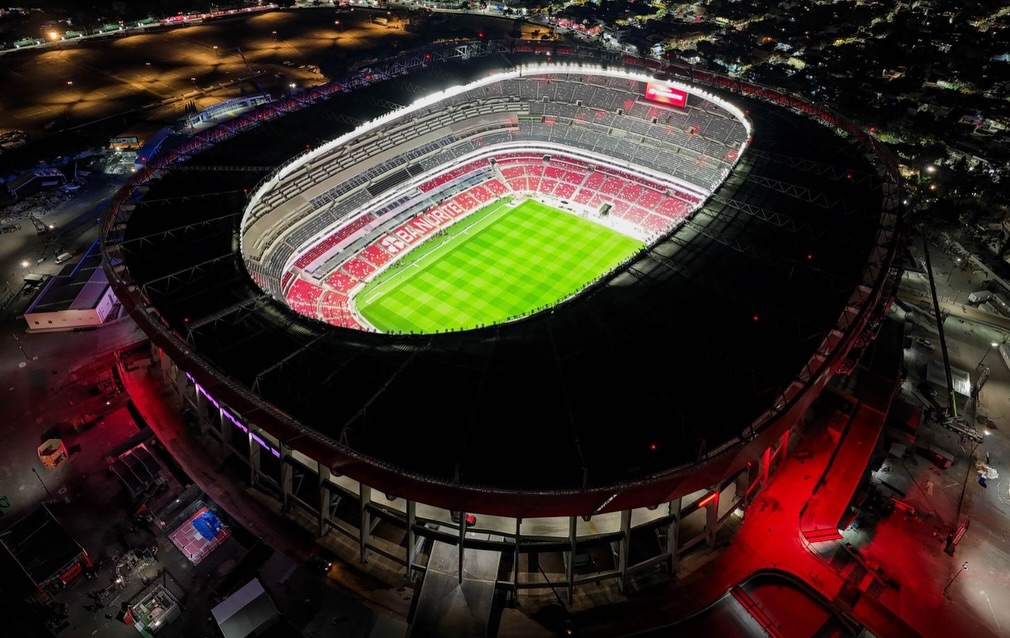
An aerial view of Estadio Azteca.
Inaugurated in 1966 with an initial capacity of over 100,000 seats, the stadium serves as the home ground for the Mexico national team and Club America. Following several renovations, its current capacity has decreased to approximately 87,000 spectators, yet Azteca remains among the world's largest football stadiums.
Throughout its nearly 60 years of operation, it has repeatedly set attendance records for various sporting events.
 |
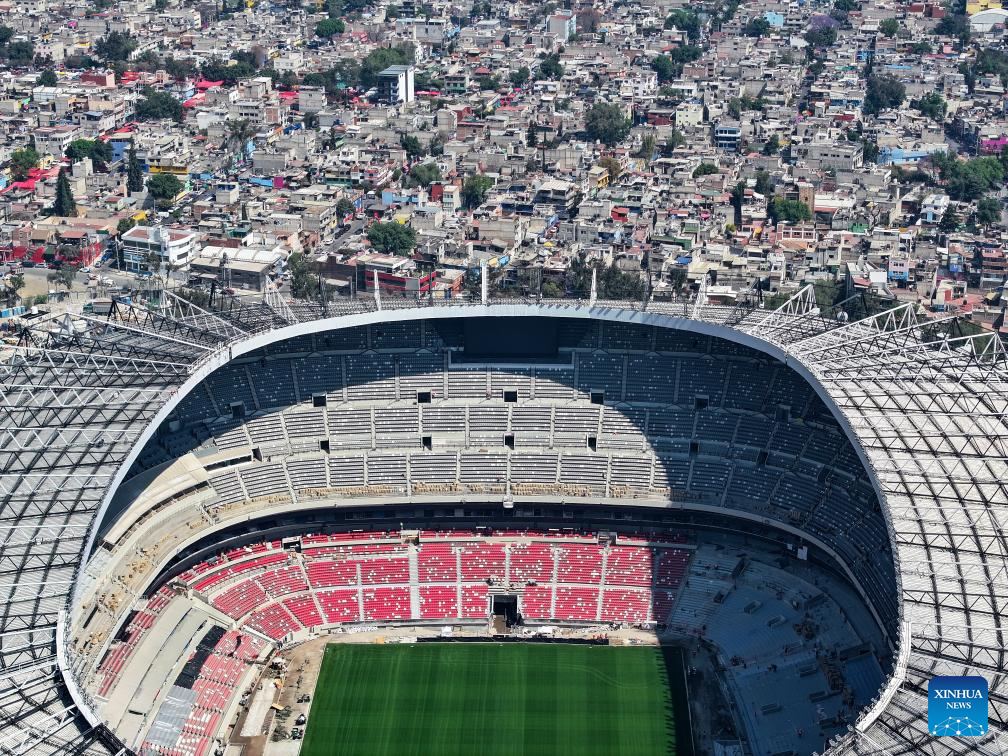 |
The stadium's design concept was selected through an architectural competition that attracted many renowned Mexican architects. Pedro Ramirez Vazquez's proposal was chosen for its roof design, which eliminated the need for internal support columns, ensuring unobstructed views from every seat. The competition results were announced on 3/7/1961.
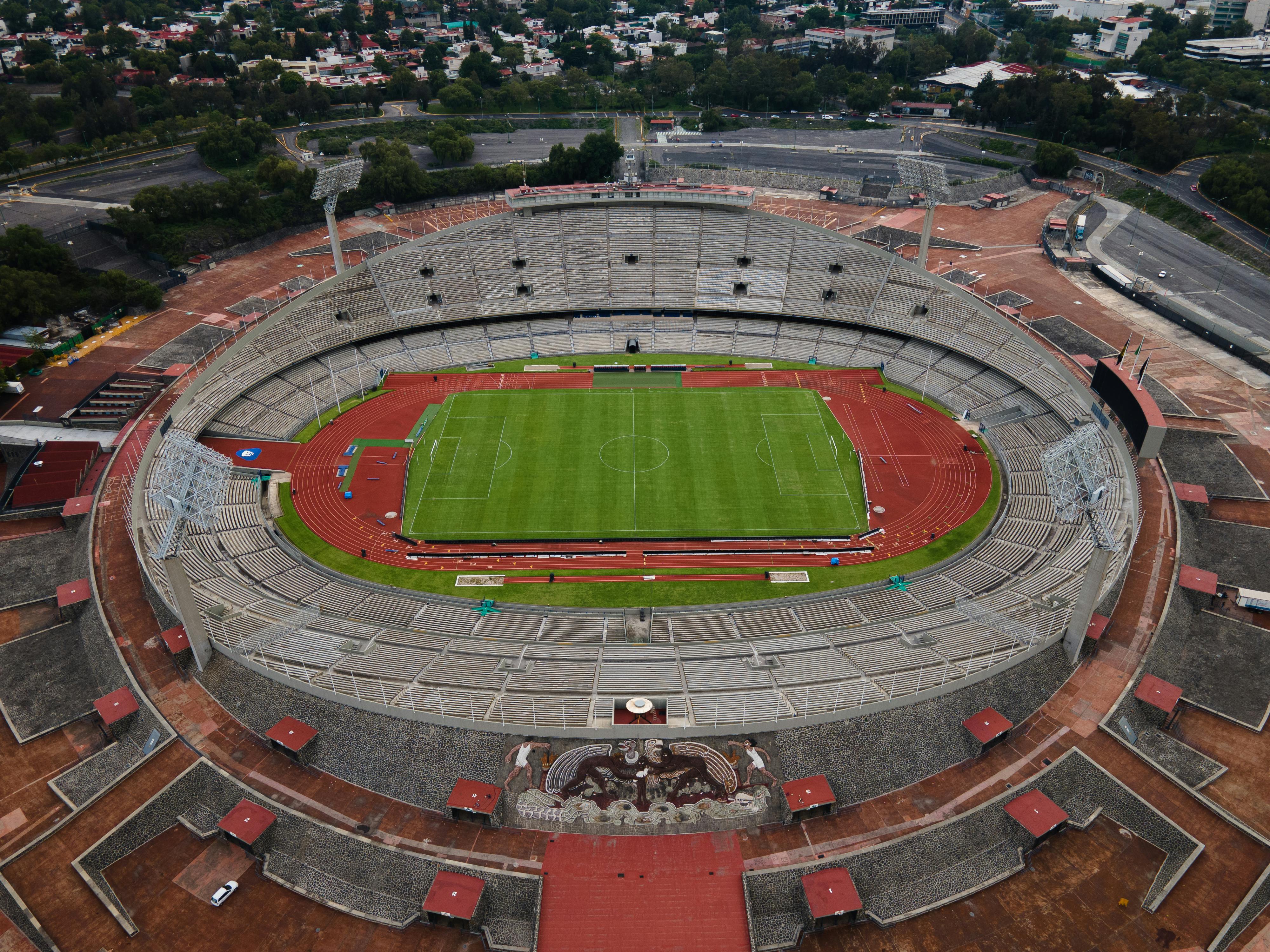
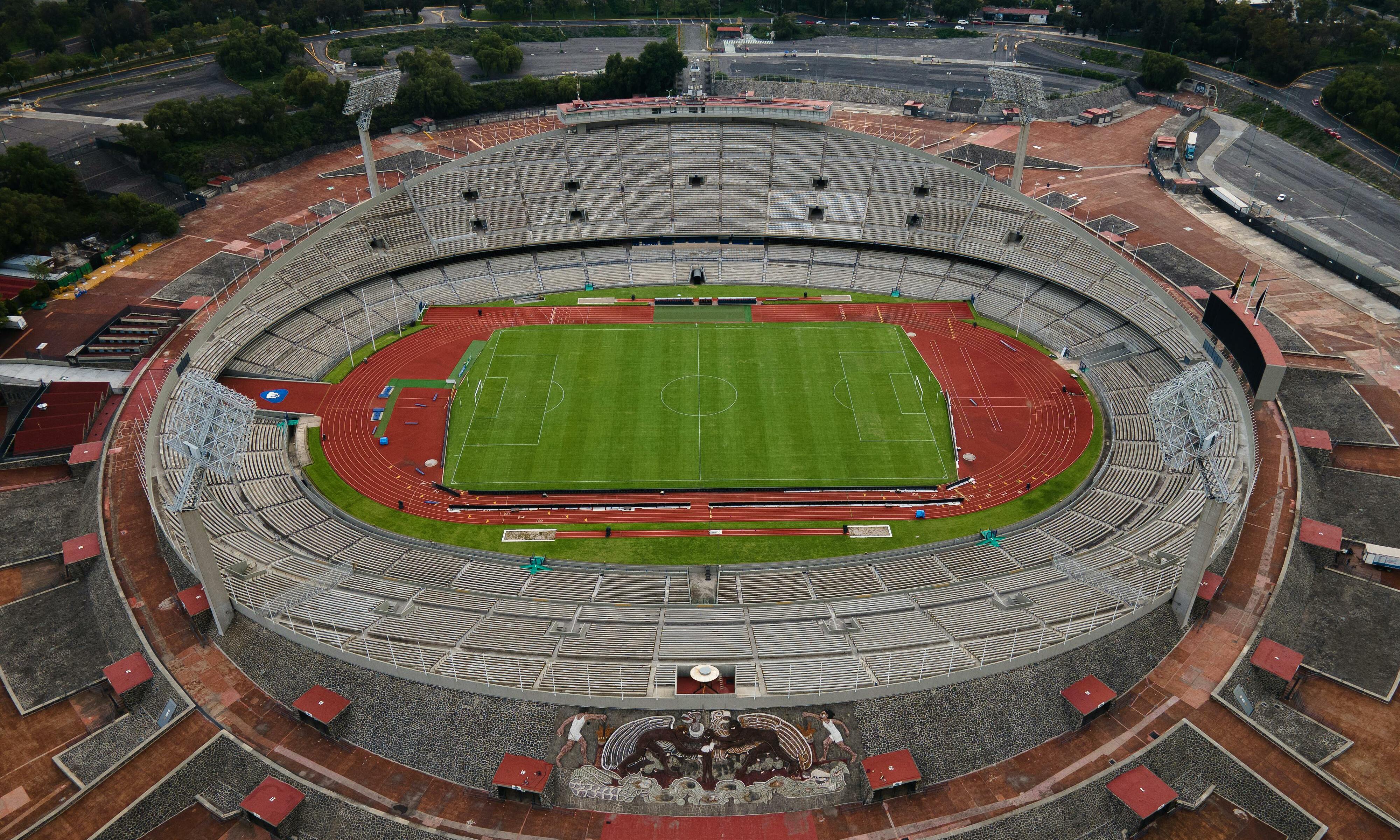
The initial design featured a rather square shape with stands running parallel to the sidelines. However, this plan was later adjusted to an oval shape (pictured) to optimize viewing angles for spectators.
 |
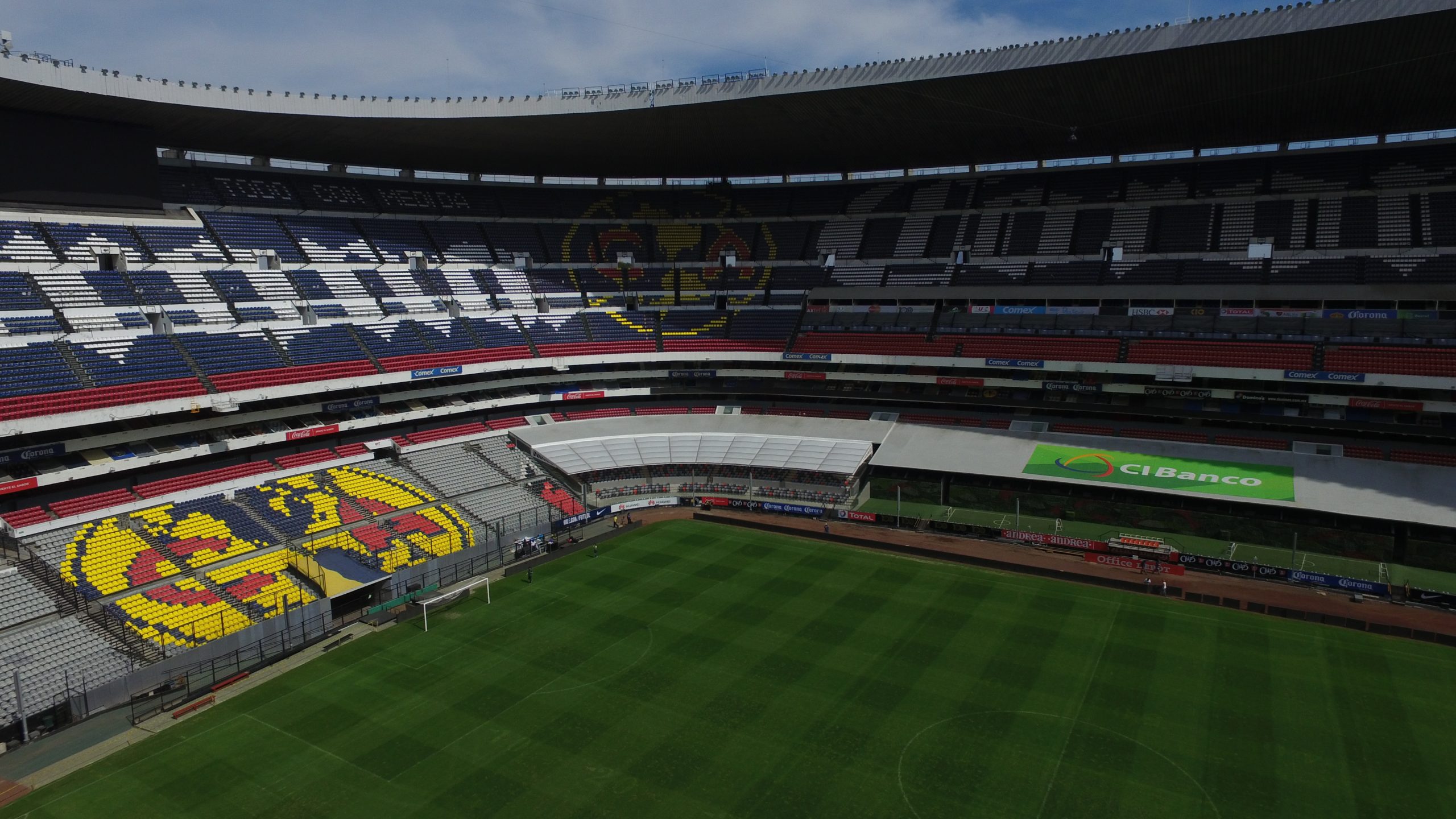
The name Estadio Azteca was also chosen through a nationwide competition organized by Mexico's postal service. Citizens submitted their suggestions by mail, and the most frequently mentioned name became the stadium's official designation.
Ultimately, Estadio Azteca was selected to honor Mexico's Aztec heritage. The first person to submit this name was granted the right to use two seats at the stadium free of charge for 99 years.
 |
The stadium's construction site also sparked considerable debate. After evaluating several areas in Mexico City, a plot of land in Santa Ursula, approximately 16 km south of the city center, was chosen due to its lower cost and convenient transport links.
However, the project faced significant challenges from complex rocky soil and a high water table, remnants of past volcanic activity.
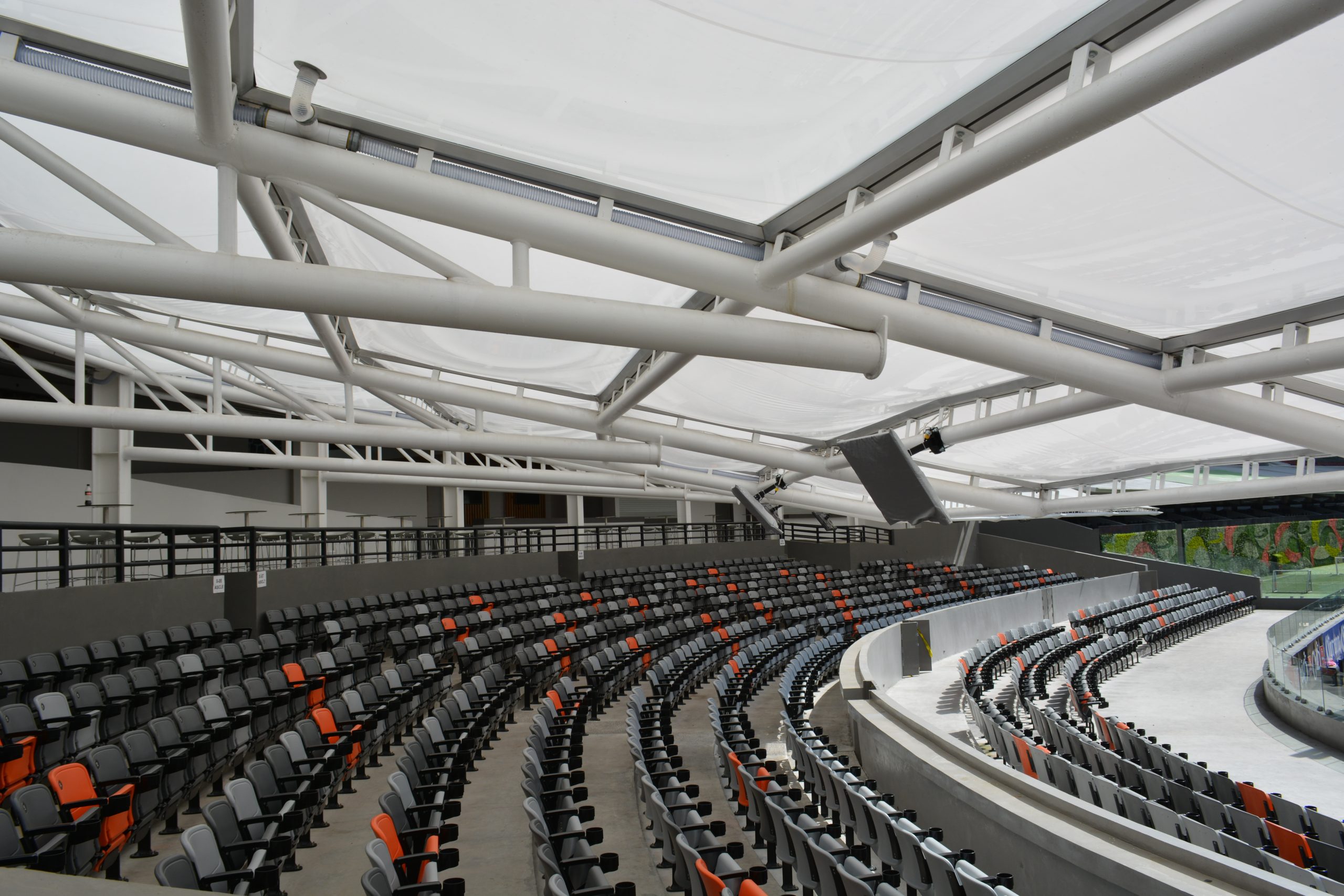 |
Before the 2026 World Cup, Estadio Azteca is undergoing another major renovation to meet modern standards. To accommodate rugby matches, the VIP and Plus sections are being upgraded with a roof featuring white, air-inflated ETFE panels.
According to Dunn Lightweight, the contractor, these ETFE panels provide natural shade and ventilation, while also giving the stadium's interior a modern appearance.
 |
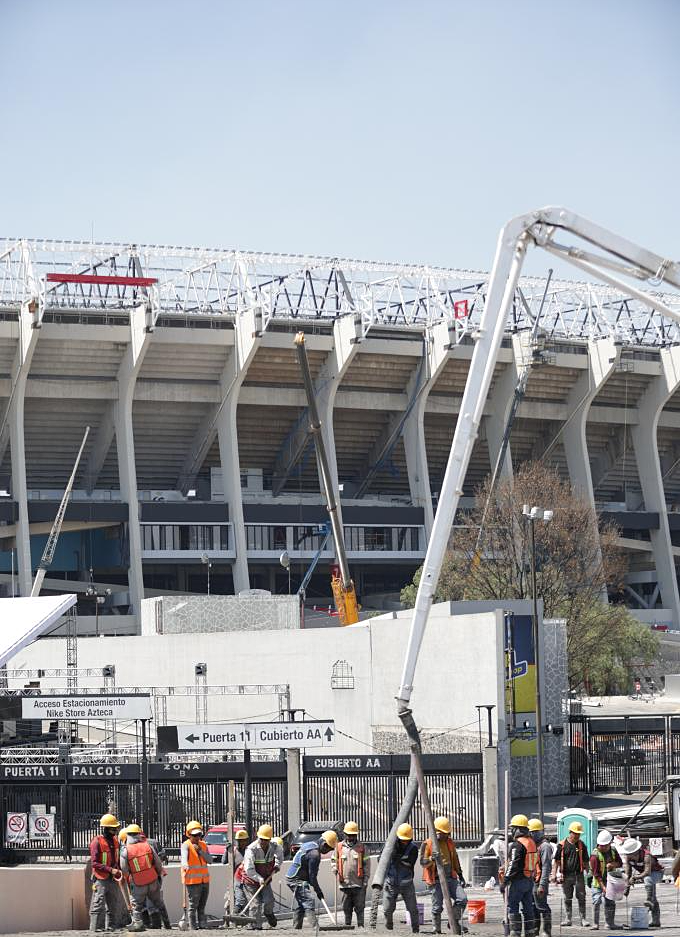 |
Workers at Estadio Azteca in Mexico City, Mexico, in March 2026.
On 14/3/2025, the stadium announced a partnership agreement with Banorte, one of Mexico's largest banks. In exchange for a loan of 2.1 billion pesos over a 12-year period to fund the renovation project before the 2026 World Cup, Banorte became the naming rights sponsor, and the venue was commercially renamed Estadio Banorte.
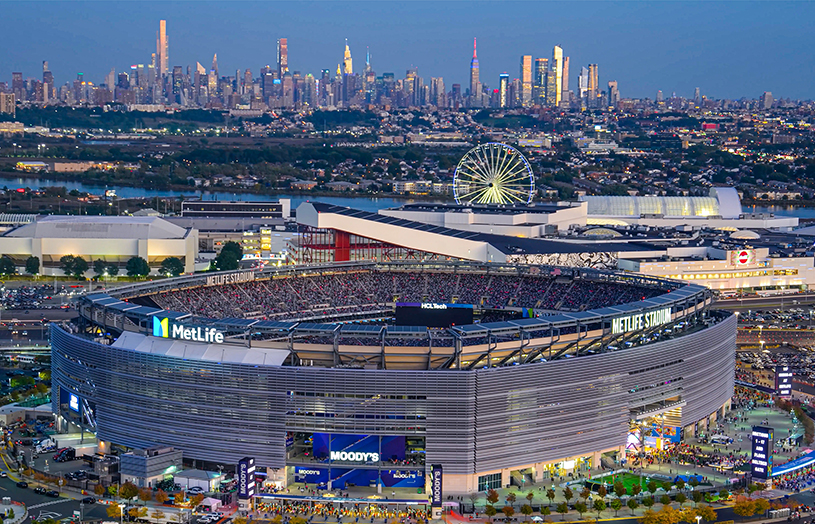
The 2026 World Cup will conclude at MetLife Stadium in New Jersey, USA. But before the tournament crowns a new champion, the journey of the planet's biggest football festival will begin in Mexico City at the stadium many consider an immortal symbol of the World Cup.
 |