 |
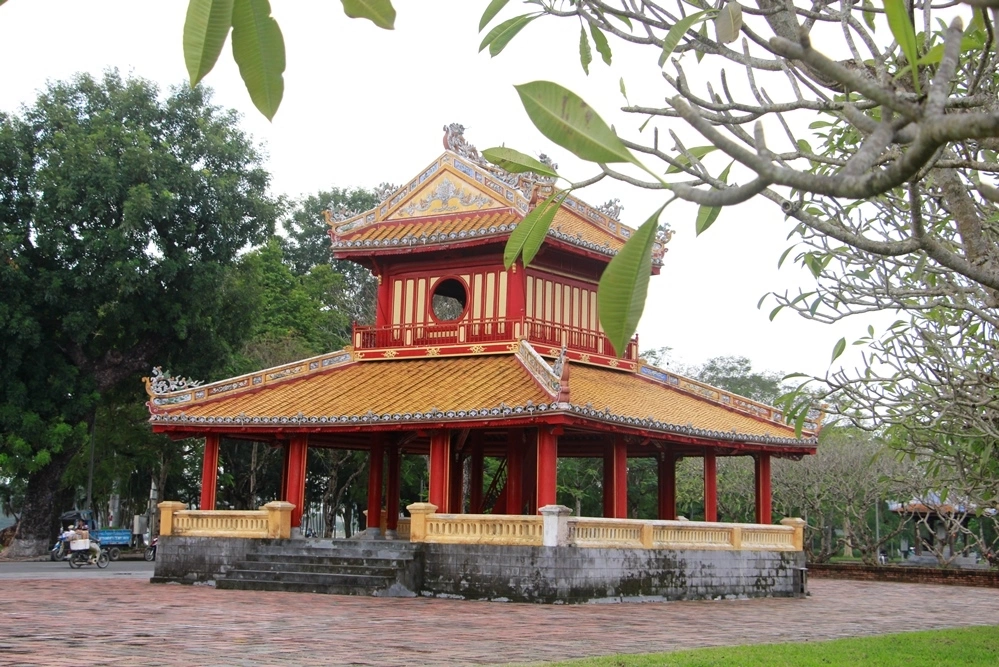
Phu Van Lau serves as the starting point for all three distances at the VnExpress Marathon Hue 2026. This structure, located on Le Duan Street, was built in 1819 during the reign of Emperor Gia Long. Historically, it was where the Nguyen dynasty posted important royal decrees and court edicts, and announced examination results.
For runners, Phu Van Lau is more than a familiar landmark; it marks the beginning of an immersive journey into the solemn, ancient atmosphere of the former capital from the very first kilometers.
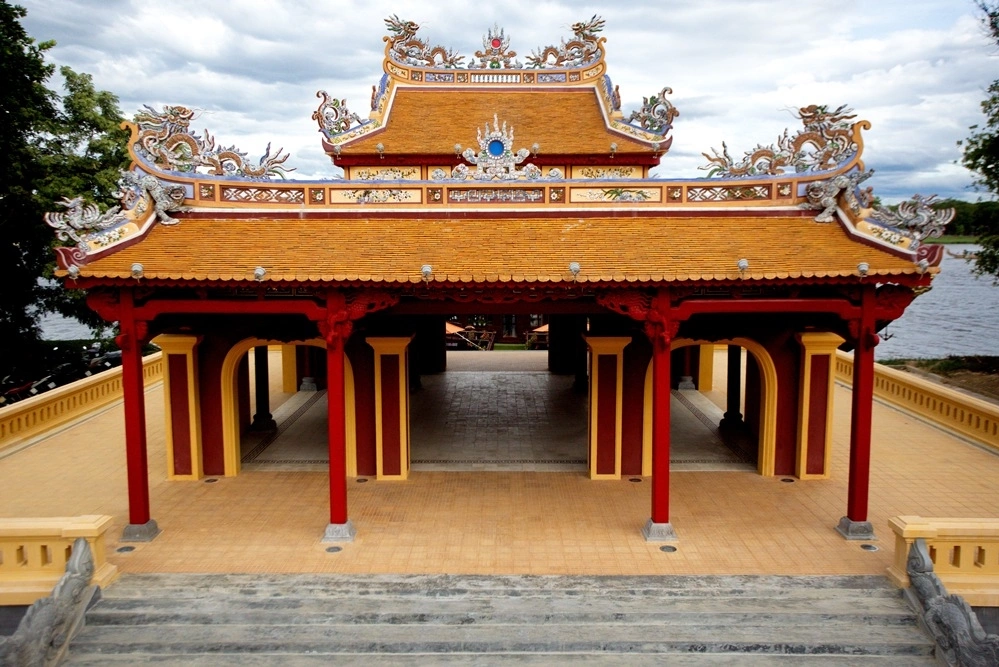 |
Opposite Phu Van Lau, on the banks of the Perfume River, Nghinh Luong Dinh forms a distinctive pair of images characteristic of Hue. The structure was built during the reign of Emperor Tu Duc as a resting place for the emperor before boarding dragon boats or enjoying the cool breeze by the river.
Its expansive, open space, situated directly by the water, makes this area one of the most poetic spots on the running course. Along with Phu Van Lau, Nghinh Luong Dinh is also a familiar image, appearing on the 50,000 VND banknote, contributing to Hue’s unique identity for both tourists and runners.
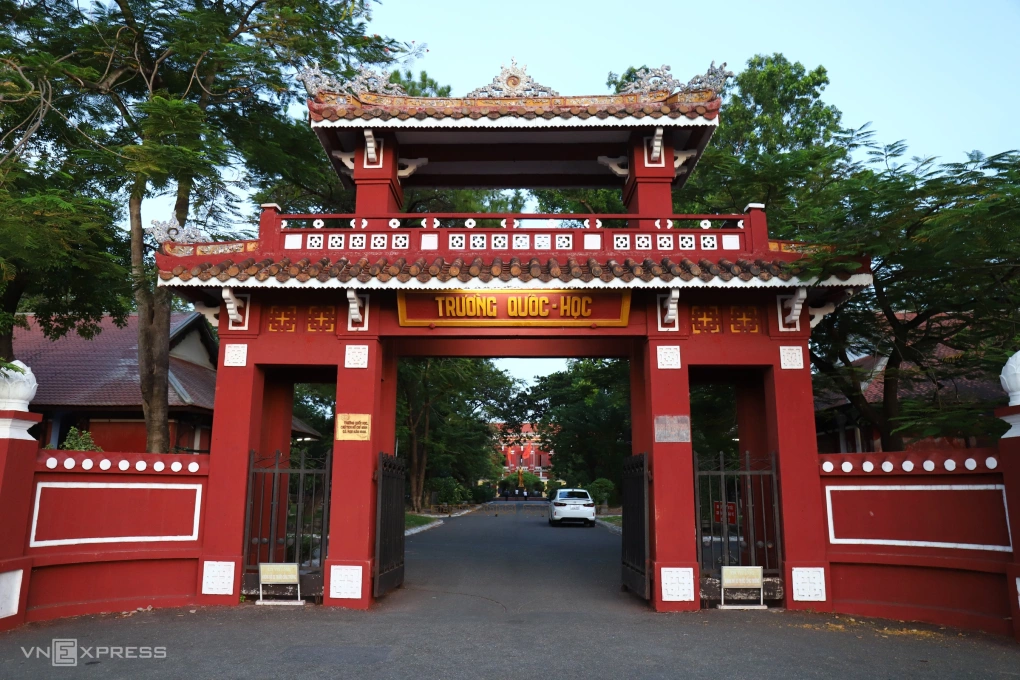 |
On their journey along the southern bank of the Perfume River, runners will pass another Hue icon: Quoc Hoc High School. Established in 1896, this school once served as a French-Vietnamese institution for all of Indochina and was one of the first high schools in Hue. It also marks the period when President Ho Chi Minh and General Vo Nguyen Giap studied there.
The distinctive red hue of the school buildings along Le Loi Street, coupled with the line of green trees bordering the Perfume River, gives the section passing Quoc Hoc a classical appearance while evoking the unique academic atmosphere of the city.
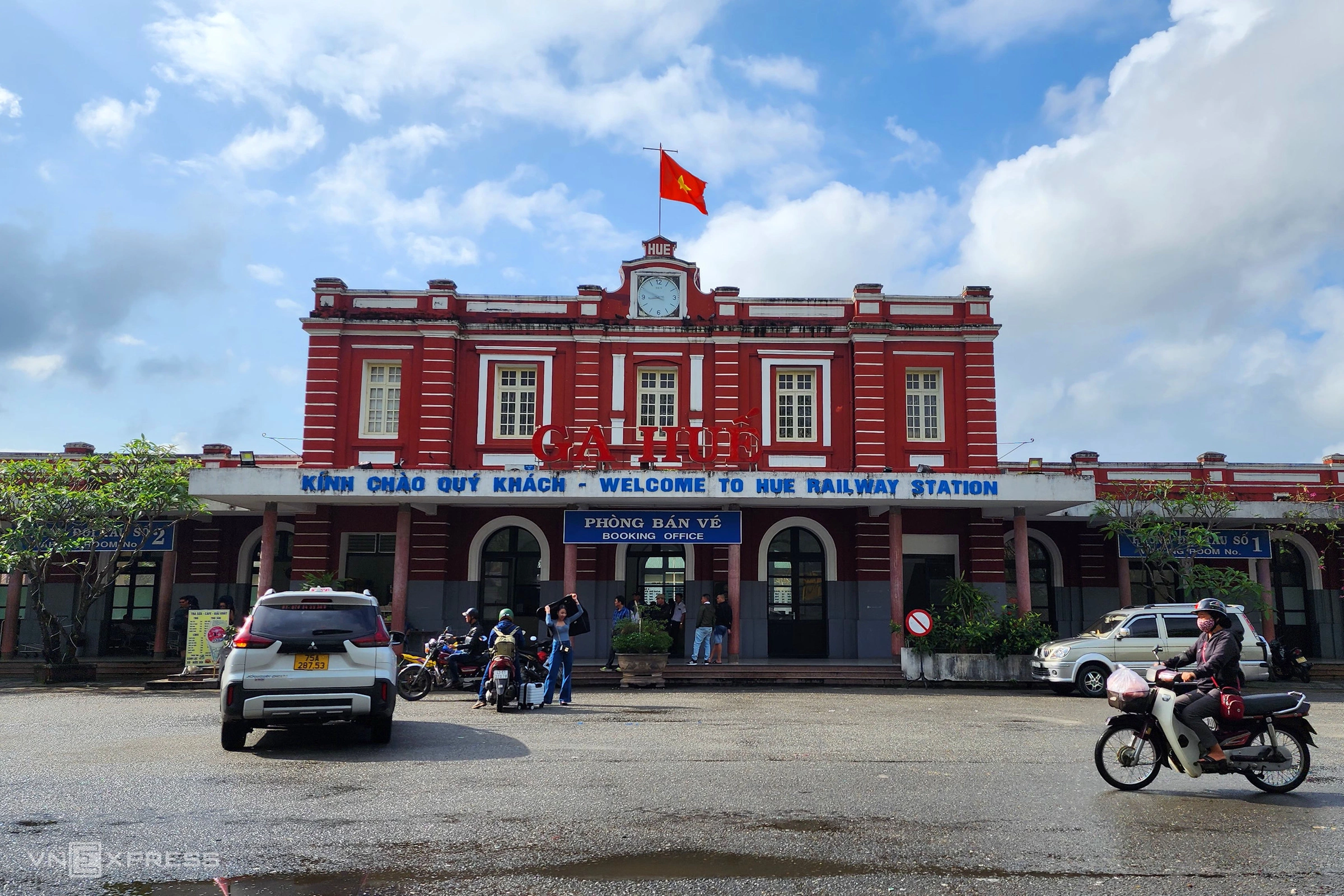 |
Also on the southern bank axis, Hue Railway Station offers another layer of memory to the route, connecting to the modern urban landscape of the early 20th century. The station, operational since 1906, retains its classical charm and remains a familiar part of daily life for residents of the ancient capital.
The presence of Hue Railway Station on the course ensures the runners’ journey is not confined to the imperial court but extends to the urban rhythm that developed alongside railways, commerce, and the historical movements of the city for over a century.
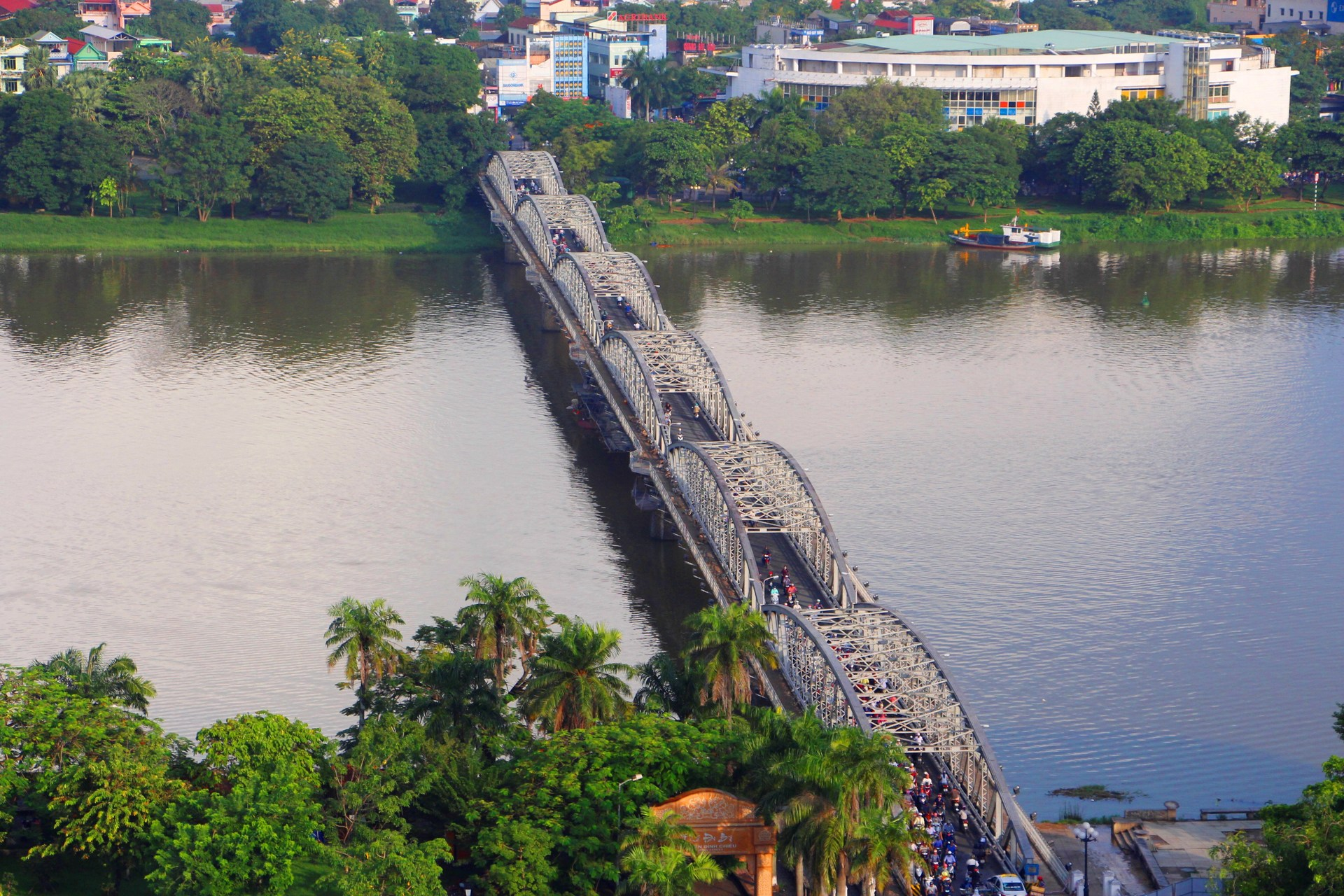 |
Truong Tien Bridge is an indispensable landmark when discussing the VnExpress Marathon course. Construction of the bridge began in 1897 during the reign of Emperor Thanh Thai, and it has long been a symbol of modern Hue along the Perfume River.
It was also one of the first bridges built in Indochina in the late 19th and early 20th centuries using new Western techniques and materials, featuring a steel structure. Running across this bridge, athletes can clearly perceive the blend of architecture, riverine scenery, and the unique pace of life in the ancient capital.
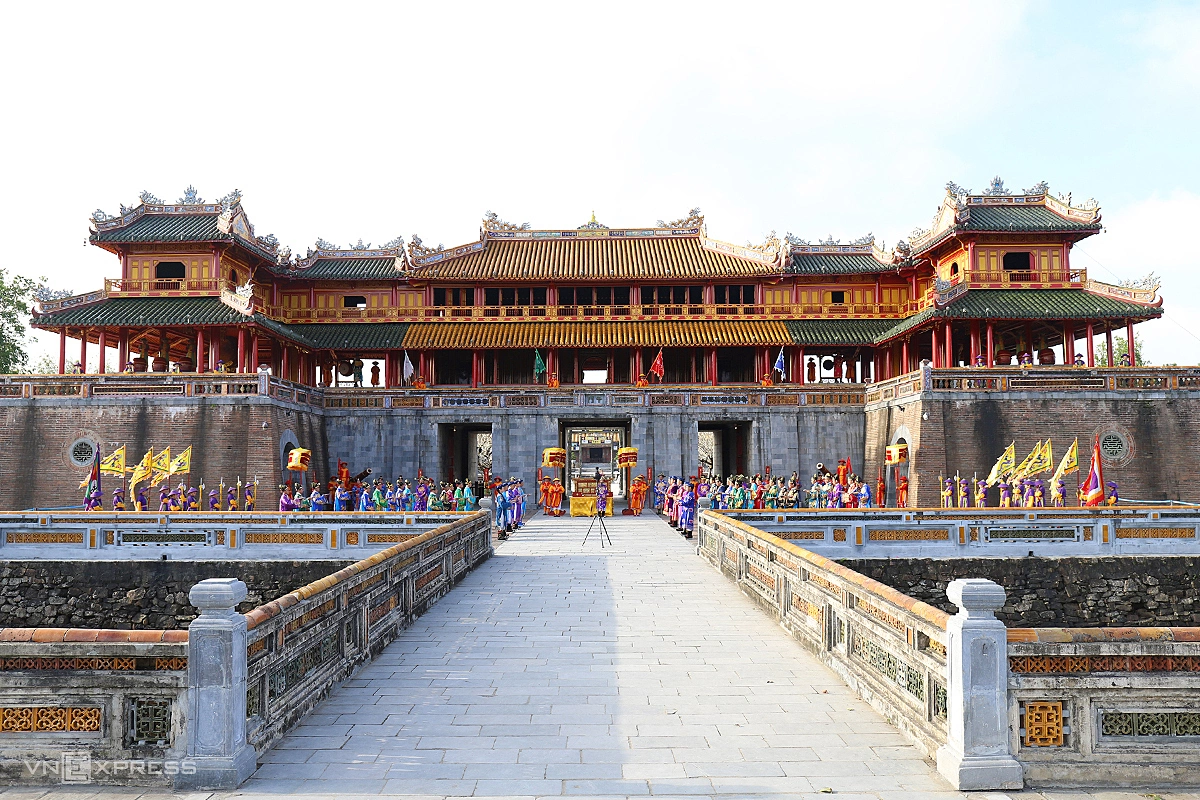 |
The centerpiece of this year’s experience is the Hue Imperial City, which served as the power hub of the Nguyen dynasty from the early 19th century until 1945. This is a massive complex of fortifications, including: city walls, moats, city gates, and many structures tied to the history of the ancient capital.
Notably, runners participating in the 21km distance this year will traverse all four sides of the Imperial City. As they stride along this route, runners will not merely be circling a relic but will truly feel the profound historical depth of the former imperial capital.
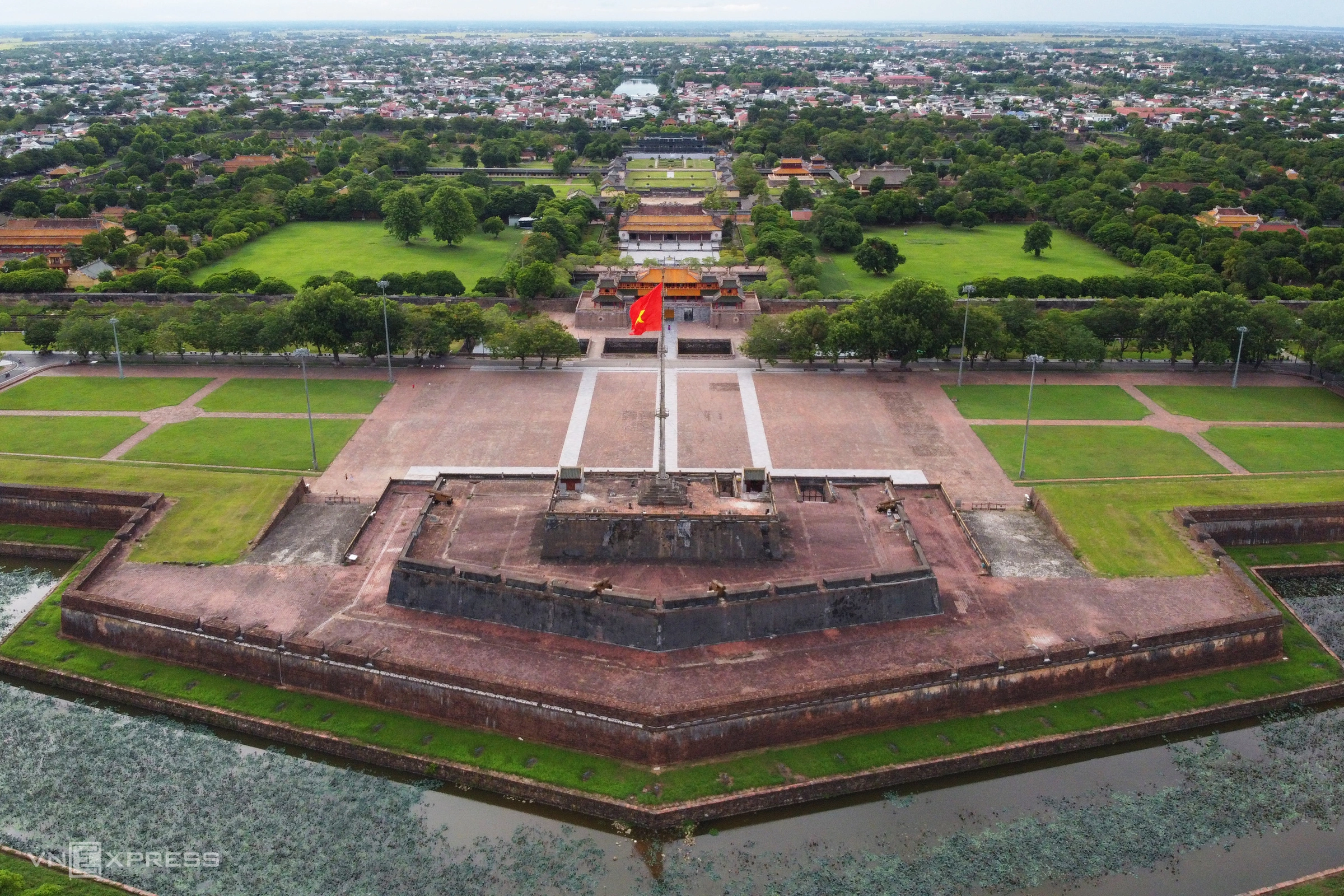 |
Situated on the main axis in front of the Imperial City, Ky Dai Hue is one of the central symbols of the ancient capital. With its tall flagpole rising above the ancient citadel, it is one of the most recognizable structures in Hue’s urban landscape.
On the VnExpress Marathon course, taking place on 19/4, runners will spot the flag fluttering atop Ky Dai from various sections along Le Duan and around the Imperial City area. This image is not just a visual highlight but also evokes the sense of a historical center constantly present, like a red thread running through the entire race journey.
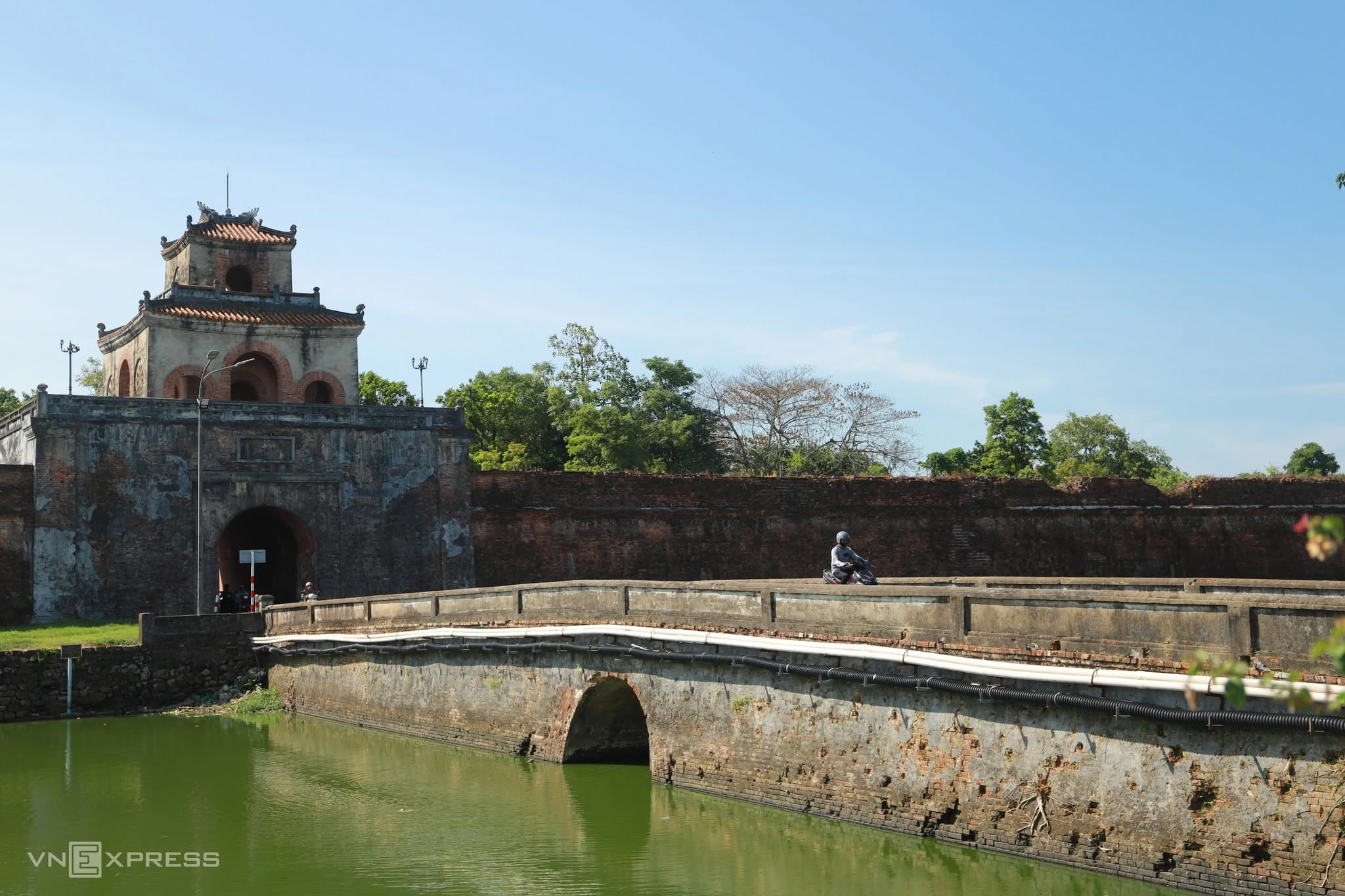 |
Cau Thuong Tu is a concluding landmark on the running course around the Imperial Citadel area. The structure leads to Thuong Tu Gate, one of the 13 gates into the Hue Imperial City, connected to the ancient capital's characteristic transportation and defense system.
For runners, this section adds variety to the journey around the Imperial City, offering not only the grandeur of the monument but also the soft, tranquil beauty of the moat and small bridge.
Hai Long
Photo: Vo Thanh