Heavy rainfall starting on 26/7 triggered mudslides at multiple locations within the Jiuzhaigou scenic area, a UNESCO World Natural Heritage site in Sichuan, western China. This disrupted some internal roads and temporarily stranded numerous tourists. According to China Central Television (CCTV), all stranded tourists were safely evacuated, with no casualties reported.
Jiuzhaigou management activated emergency response level 2 for flood and geological disaster risks. They collaborated with the fire department and other functional units to conduct rescue operations and evacuate tourists from dangerous areas.
To ensure safety, from 27/7, the scenic area temporarily closed the section from Shuzheng Valley upwards in Rize Valley and the entire Zechawa Valley. This closure was due to mudslides disrupting traffic. These areas are located in the higher elevations of the scenic park, making them inaccessible to tourist buses after the heavy rain.
The remaining areas, including Shuzheng Valley and the lower part of Rize Valley, remained open after being assessed as safe. Management offered free admission and internal bus tickets for the open areas on 27-28/7. Tourists who had not booked visits for 28/7 were advised to monitor Jiuzhaigou's official WeChat account and other information channels before departing, as the situation was updated in real-time.
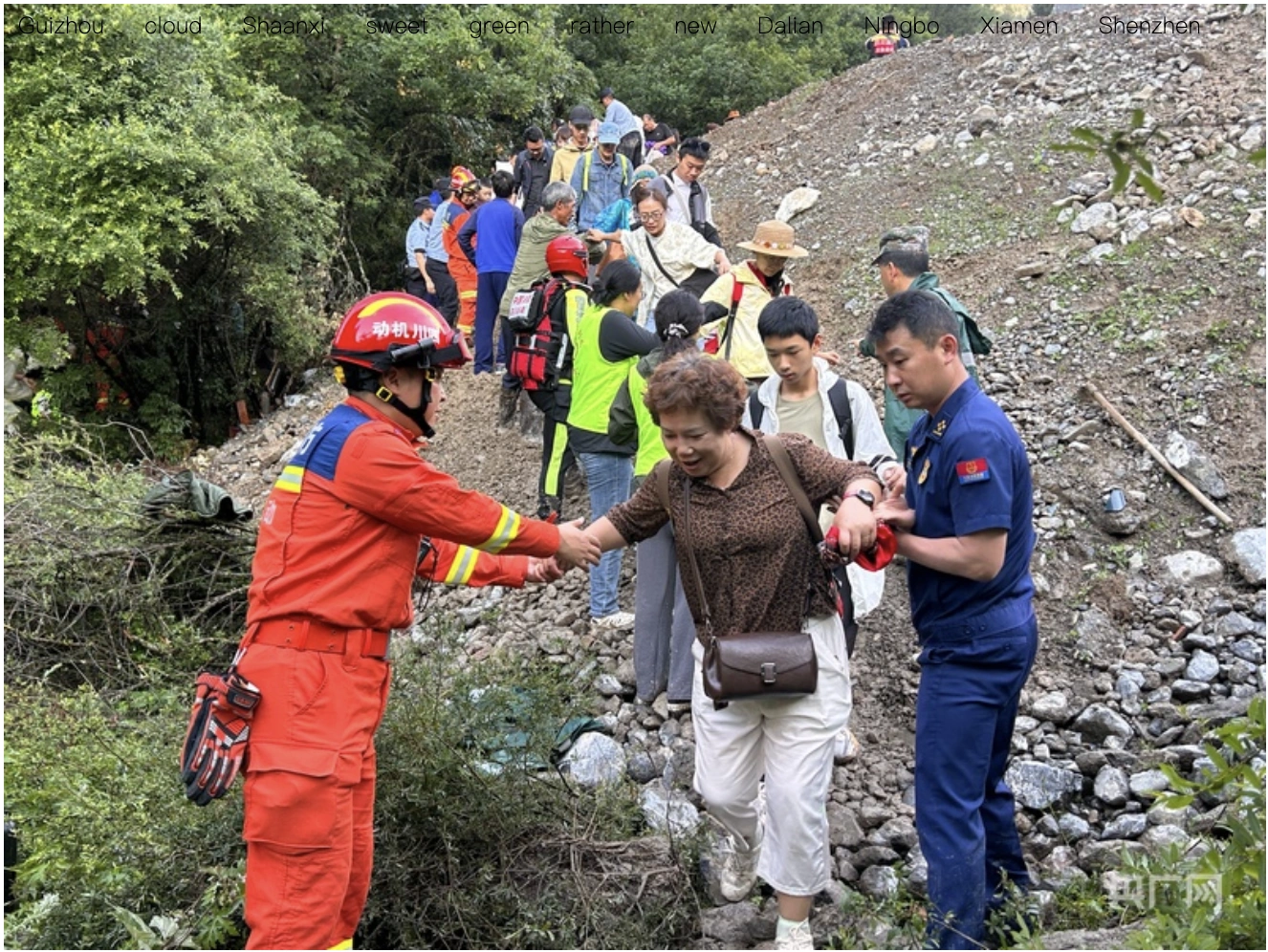 |
Firefighters and volunteers evacuating tourists. Photo: Jiuzhaigou Management Bureau/ CNR. |
Jiuzhaigou management has not yet announced a reopening date for the closed areas. The scope of operations will be adjusted based on weather conditions and safety inspection results.
Jiuzhaigou, located in northern Sichuan province, was recognized by UNESCO as a World Natural Heritage site in 1992. The scenic area is known for its multi-colored lakes, waterfalls, and pristine forests, attracting millions of visitors annually. The partial closure of Jiuzhaigou comes as China issues its highest flash flood warning due to Typhoon Noul, the strongest typhoon to hit the country this year.
By Mai Phuong (Reuters, CCTV)