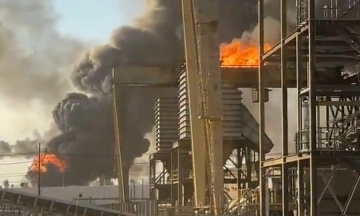
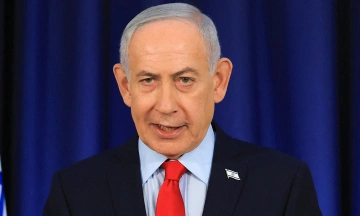
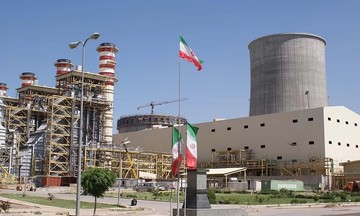
"A national energy emergency has been declared due to the ongoing conflict in the Middle East, as well as the imminent danger the war poses to the stability and availability of the national energy supply," states the executive order issued by Philippine President Ferdinand Marcos Jr. on 24/3.
The order allows the Philippine Department of Energy to make advance payments of 15% for fuel purchase contracts and directly address hoarding and profiteering.
 |
President Ferdinand Marcos Jr. in Makati, Philippines on 24/2. Photo: *AP* |
The Department of Transportation is empowered to coordinate fuel subsidies for public transportation, reduce or temporarily suspend road tolls and air service fees, and expedite assistance to individuals in "crisis situations."
According to the order, this move will enable the Philippine government to "implement responsive and coordinated measures under existing law to address risks caused by disruptions to global energy supply and the domestic economy."
The emergency was announced hours after Energy Minister Sharon Garin stated that Manila plans to increase coal-fired power plant output to keep electricity prices low, as the conflict in the Middle East is severely impacting gas transportation. This measure could begin as early as 1/4.
According to Garin, with liquefied natural gas prices skyrocketing, the Philippines will be forced to temporarily rely more on carbon-intensive fossil fuels. She added that while hoping to "maximize" domestic coal use, the Philippines is also considering increasing coal purchases from its top supplier, Indonesia.
Indonesia had previously assured the Philippines that it would not impose any limits on coal purchase orders.
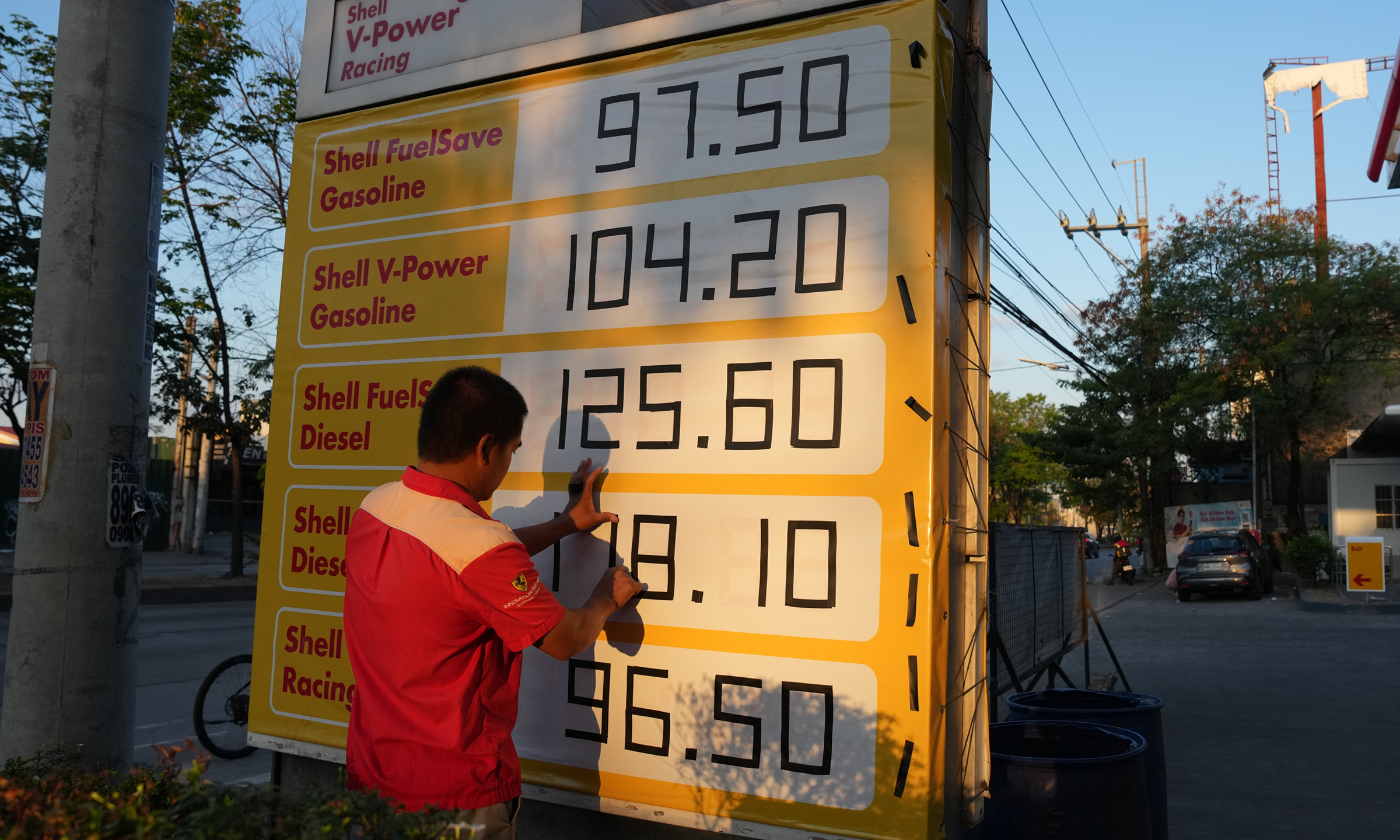 |
An employee adjusts a price sign at a gas station in Quezon, Philippines on 24/3. Photo: *AP* |
"As of today, there are no restrictions on our coal imports from Indonesia," Garin stated, adding that the Philippines might not need to increase coal purchases.
Energy costs in the Philippines are among the highest in the region, and the country relies heavily on imported fuel to operate its power plants. Approximately 60% of the electricity for its 116 million residents is generated from coal.
Following the US-Israel attack on Iran on 28/2, Tehran responded by almost completely blockading the Strait of Hormuz, through which approximately 20% of the world's crude oil passes. This action halted oil and gas transportation, causing global fuel prices to surge.
Pham Giang (*According to AFP*)