Iran's infrastructure suffered significant damage, and many senior leaders died during more than six weeks of conflict with the US and Israel. However, Western intelligence assesses that pre-conflict preventive plans significantly mitigated the impact of enemy attacks.
"The plan appears to have been effective, preventing its missile and unmanned aerial vehicle (UAV) stockpiles from being completely destroyed by the US and Israel, while enabling Iran to inflict maximum damage in subsequent retaliatory strikes," the *Times of India* reported.
This assessment provides a more detailed picture than what President Donald Trump and US administration officials described about the outcome of the campaign against Iran. The effectiveness of Tehran's pre-prepared plans also indicates that Iran could use a ceasefire to consolidate its forces, ready for a scenario of renewed conflict.
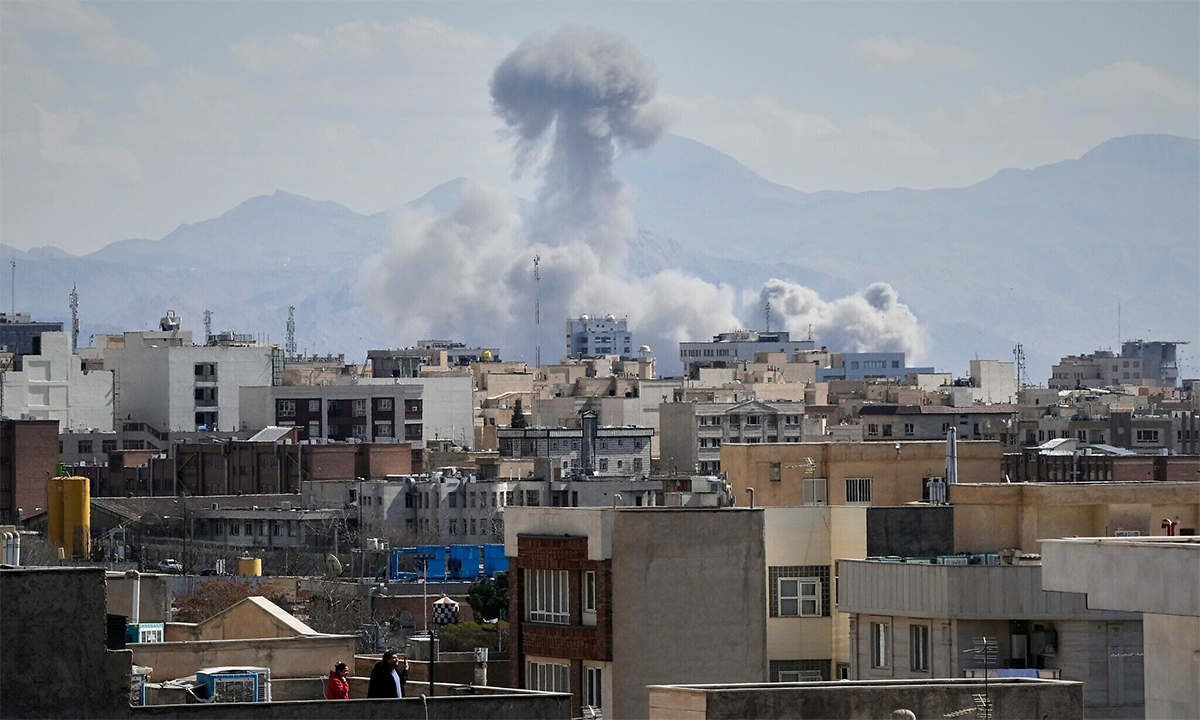 |
Smoke rises from an attacked area in Tehran, Iran, on 1/3. *AFP* |
According to European and Gulf officials, Iran appears to have maintained a large number of long-range missiles and thousands of suicide UAVs in its arsenal.
Some Western officials estimate that the US would need approximately two to three more weeks of attacks to completely weaken Iran's military capabilities. Others consider this an optimistic scenario, suggesting the campaign could take longer without guaranteeing the complete eradication of Iran's industrial and nuclear capabilities.
The Pentagon referred to Defense Secretary Pete Hegseth's statement on 16/4 that the US "knows where Iran is moving military assets." US Central Command (CENTCOM), the agency responsible for US military operations in the Middle East, declined to comment on the information.
In an assessment sent to the US Congress on the same day, the Defense Intelligence Agency (DIA) noted that Tehran still possesses thousands of missiles and UAVs capable of threatening Washington's forces and partners in the region, despite reductions due to destruction and attrition in combat.
In addition to preserving long-range weapon stockpiles, preventive plans also helped maintain Iran's leadership structure, despite assassination attempts targeting high-ranking officials, including Supreme Leader Ali Khamenei and Supreme National Security Council Secretary Ali Larijani.
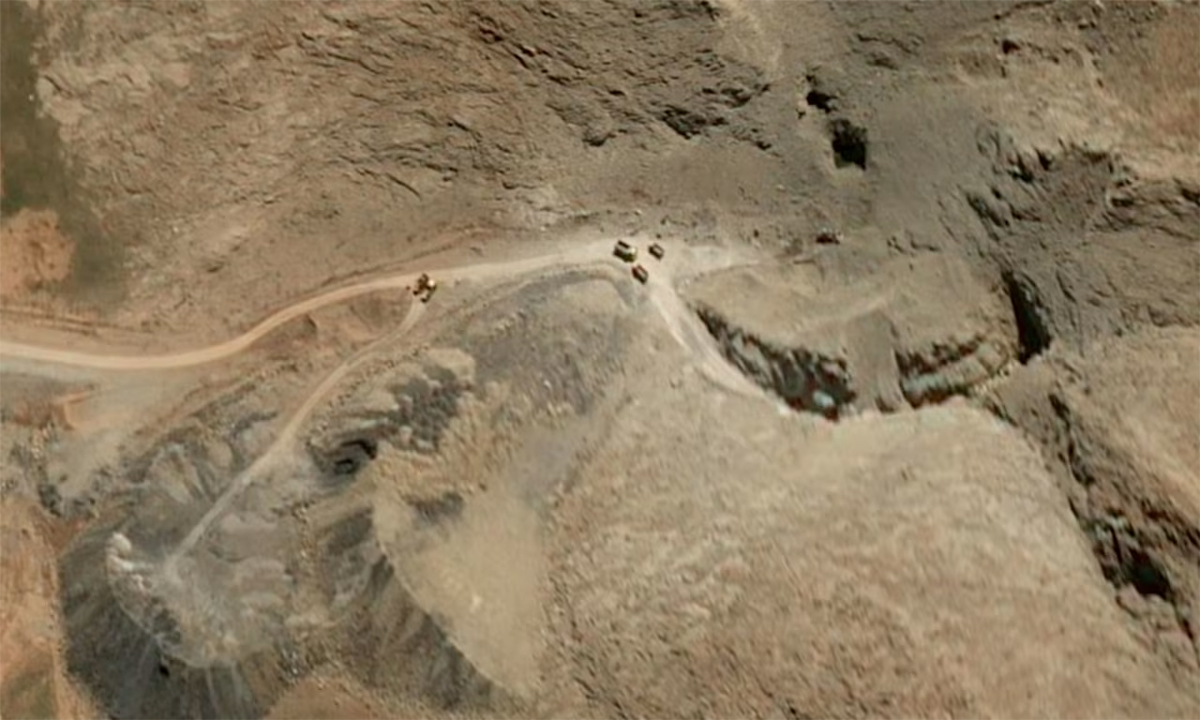 |
Iranian forces open an entrance to an underground missile base near Khomeyn in a satellite image taken on 10/4. *CNN* |
After a 12-day conflict in 6/2025 with Israel, in which the US participated to a limited extent, Iran's leadership introduced a plan to disperse decision-making capabilities nationwide. The "dispersed defense" tactic also granted military commanders more authority to make independent decisions.
Israeli attacks prompted Iran to establish new decision-making bodies and reorganize its leadership strategy, including preparing for personnel changes in the event of high-ranking leaders and commanders being killed.
Nevertheless, some Gulf and European officials assess that Iran could still suffer severe economic damage from US-Israel attack campaigns, with the risk peaking this summer if the conflict continues.
Nguyen Tien (According to *Times of India, AP, CNN*)