In a 90-minute interview with The Economist, published on 23/7, billionaire Elon Musk stated he had "gotten too involved in politics" and "frankly, gone too far" by joining President Donald Trump's administration in early 2025 with the Government Performance Board (DOGE).
DOGE, established and led by billionaire Elon Musk for 130 days as a "special government employee", was tasked with streamlining government operations and cutting federal budgets. However, it faced numerous controversies regarding personal conflicts of interest, unsubstantiated cuts, and breaches of classified data. DOGE ceased operations in 11/2025, 8 months before its scheduled end.
"I received a lot of criticism for that", Musk admitted, adding he no longer wishes to be deeply involved in politics.
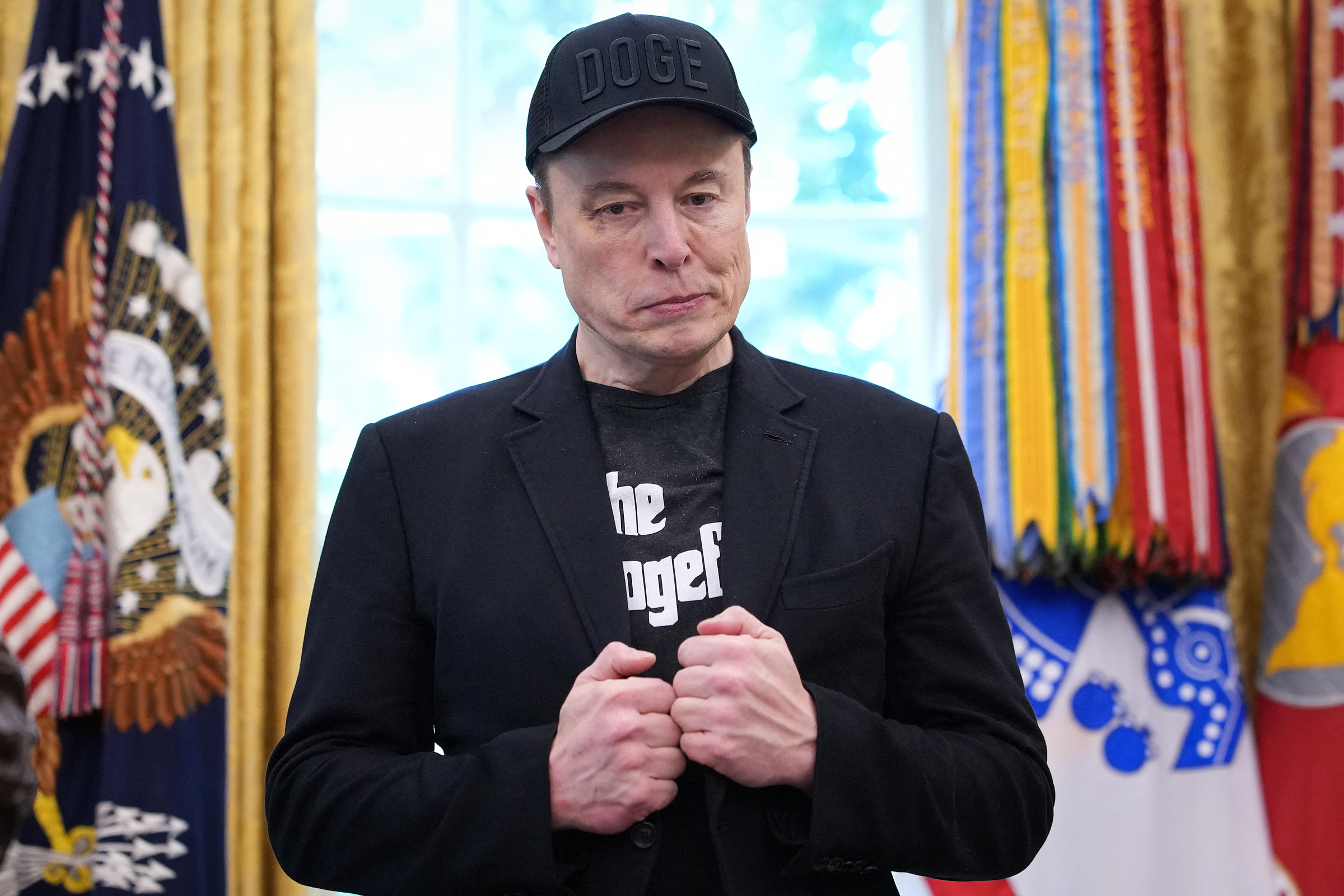 |
Elon Musk attends a press conference with President Donald Trump in the Oval Office, White House, 5/2025. Photo: AFP
Despite this, Musk defended several controversial political views. He suggested that US media misrepresents far-right parties in Europe and maintained that any peace agreement between Russia and Ukraine must involve territorial concessions.
Musk also predicted in the interview that the United Kingdom could face a "civil war" within the next two decades due to social and immigration disagreements. He affirmed his consistent opposition to violence and the imposition of rules that contradict Western values.
This marked Musk's first extensive interview since SpaceX's listing on the US stock market. The company's valuation initially rose to approximately 2.6 trillion USD after trading began, but later decreased to about 1.6 trillion USD.
SpaceX is facing numerous challenges as its Starship rocket program continues to encounter issues. Last week, the first test launch since the company's listing was canceled because several engines failed to ignite. Tesla is also under pressure due to declining electric vehicle sales and profits impacted by substantial investments in artificial intelligence (AI).
Musk predicted that within about 5 years, AI could surpass the combined intelligence of all humanity, and within 10 years, robots will replace most human labor, ushering in an era of prosperity where "money gradually becomes irrelevant". He suggested that once machines handle most work, governments might only need to distribute direct subsidies to citizens, adding he is prepared to pay "trillions of USD in taxes" if necessary.
By Thanh Danh (Source: Futurism, The Economist)