A senior European Union (EU) official told AFP on 27/8 that European intelligence agencies' assessment remains unchanged, emphasizing they "do not see a risk of Russia attacking countries in the region."
"We have no information suggesting Russia is preparing to pose a threat to NATO members in Europe. However, Russia is actively seeking to cause difficulties for us. Russia is clearly escalating tensions," the official added.
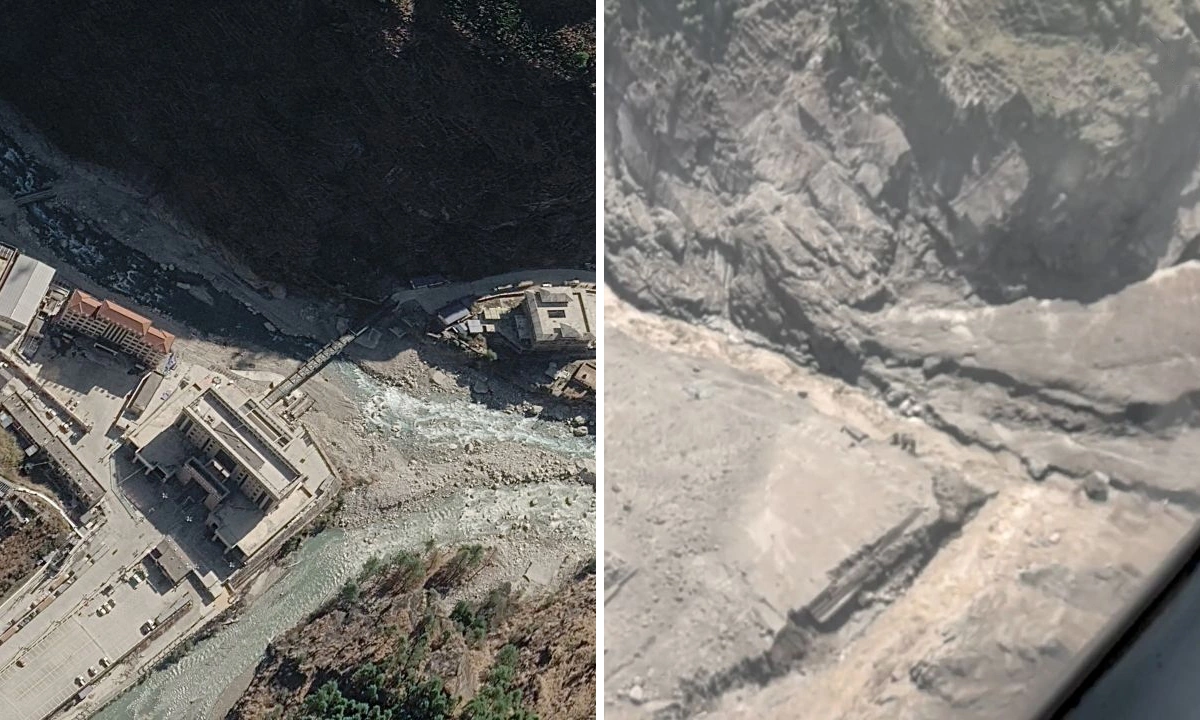
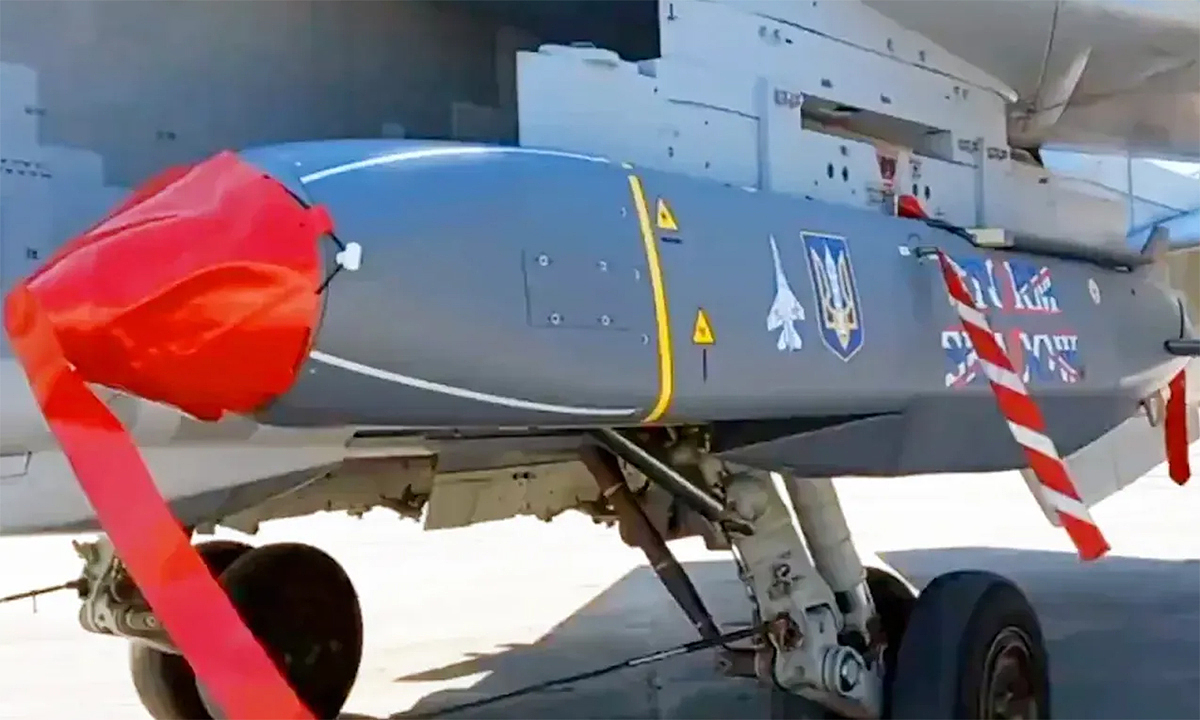
German tanks and armored vehicles exercise in Lithuania on 10/6. *Video: NATO*
Kremlin spokesperson Dmitry Peskov on the same day dismissed the possibility of Russia preparing to attack NATO.
"Many scare stories about Russia planning to target NATO have been published. They do not relate to reality or Russia's intentions," Peskov said, asserting that Russia is continuing strategic military operations "to ensure its security and interests in the conflict surrounding Ukraine."
The statements followed a Wall Street Journal report on 26/8, citing sources, that Central Intelligence Agency (CIA) Director John Ratcliffe visited Moscow this week "to send a warning to Russia not to attack NATO alliance countries, following a new assessment by US intelligence."
Russian President Vladimir Putin previously criticized NATO for increasing defense budgets and "inciting global militarization, an arms race." He argued this process is carried out "through misinformation about a threat from Russia."
The EU recently suggested Russia is conducting "hybrid warfare" against the alliance. Hybrid warfare is a term used to describe a type of conflict combining various methods, from political and military to cyberattacks.
EU officials accuse Russia of being behind a series of unmanned aerial vehicle (UAV) infiltrations into member states' territory, cyberattacks, spreading disinformation, and political interference, with countries in the eastern part of the alliance being most vulnerable.
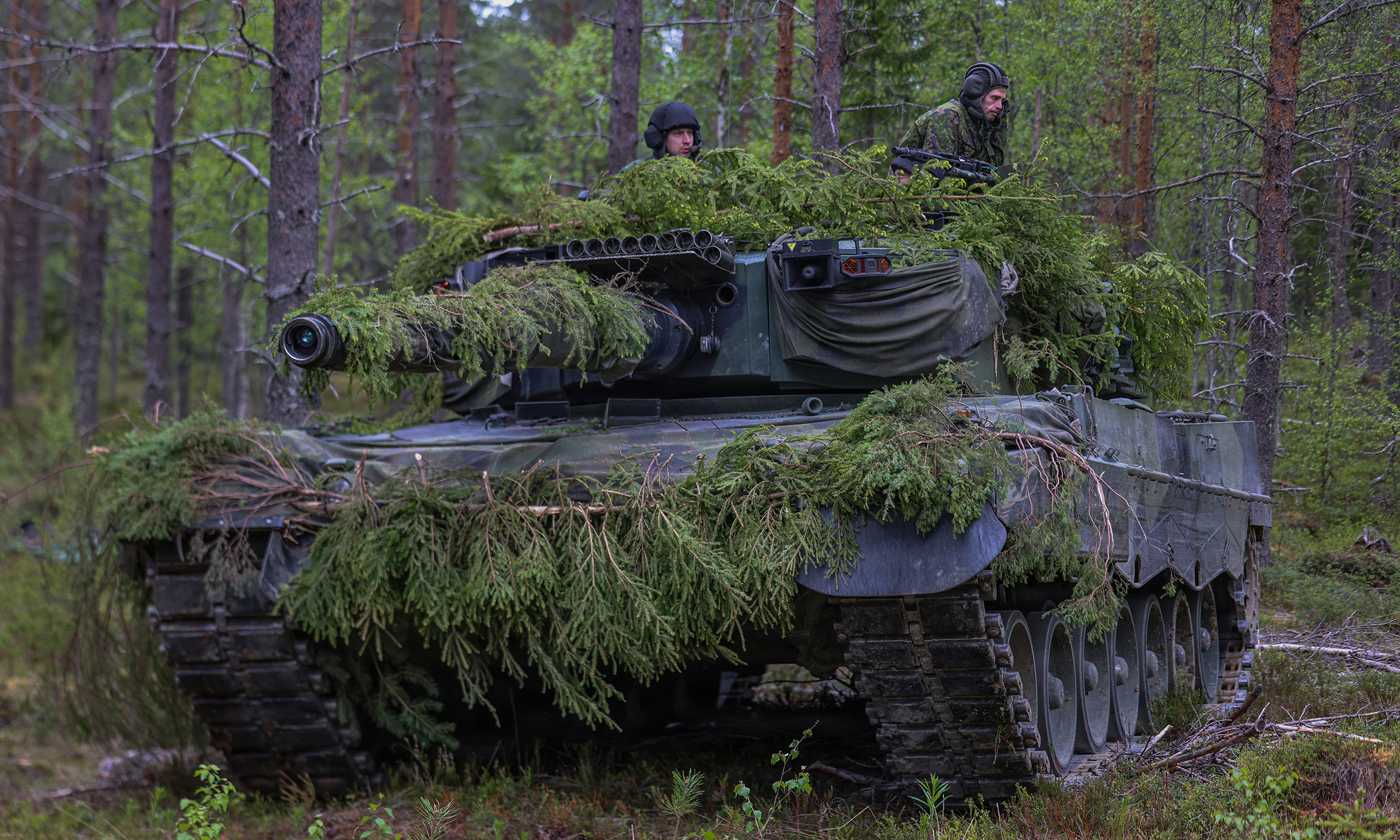 |
Finnish Leopard 2A4 tanks participate in an exercise at the Vuosanka training area on 27/5. *Photo: US Army*
The Kremlin spokesperson confirmed on 26/8 that Ratcliffe held talks with Russian intelligence officials during his time in Moscow but did not meet President Putin. The Russian leader was briefed in detail about the discussion.
The White House provided very little information about Ratcliffe's trip. In an interview on the same day, US President Donald Trump described the visit as a "semi-official" mission to Russia, but he quickly shifted to discussing the Ukraine conflict.
The term "semi-official" is used to describe activities based on existing communication channels, which do not occur on a regular schedule but arise according to circumstances.
Nguyen Tien (According to AFP, RIA Novosti)