Today, in a televised interview, Hossein Mohebi, spokesperson for Iran's Islamic Revolutionary Guard Corps (IRGC), stated that the Middle East conflict could only end if the US "completely stops military activities, refrains from issuing new threats, demands Israel withdraw forces from Lebanon, and ends the blockade of Yemen."
Mohebi added that the US must also release 24 billion USD in frozen Iranian assets and "immediately cease all interference" in Tehran's nuclear and missile programs. "If the adversary wishes to resolve the current situation, they must meet these conditions after the war has completely ended," the IRGC spokesperson asserted.
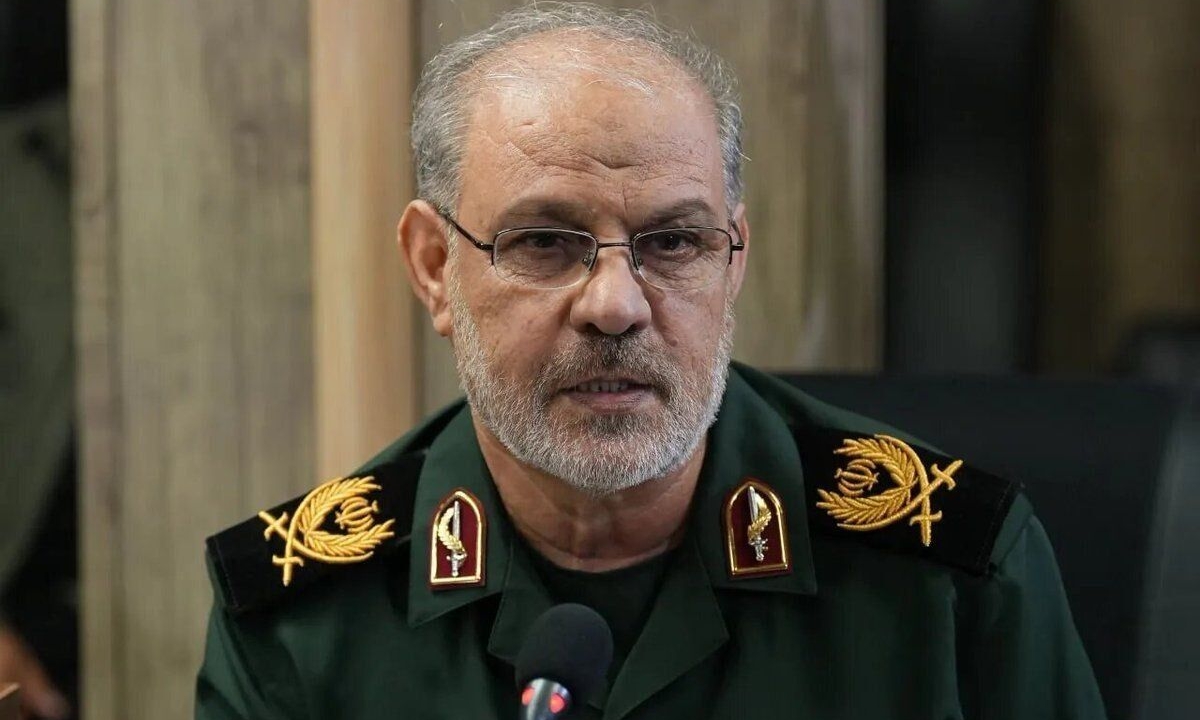 |
IRGC spokesperson Hossein Mohebi. Photo: IRNA |
Mohebi also announced Iran would establish a "new maritime exclusion zone," starting from the city of Chabahar and encompassing parts of the Sea of Oman and the Arabian Sea, located on the route leading to the Strait of Hormuz. "If vessels enter that area without coordination, they will face our sanctions," he stated. "For instance, if they wish to pass through the Strait of Hormuz or require supplies, insurance, and related services, we will flatly refuse."
US officials have not yet commented on the information.
A relatively peaceful one month between Iran and the US ended this week as the two sides resumed clashes. This pushed regional tensions back to a volatile state that could erupt at any moment after weeks of quiet.
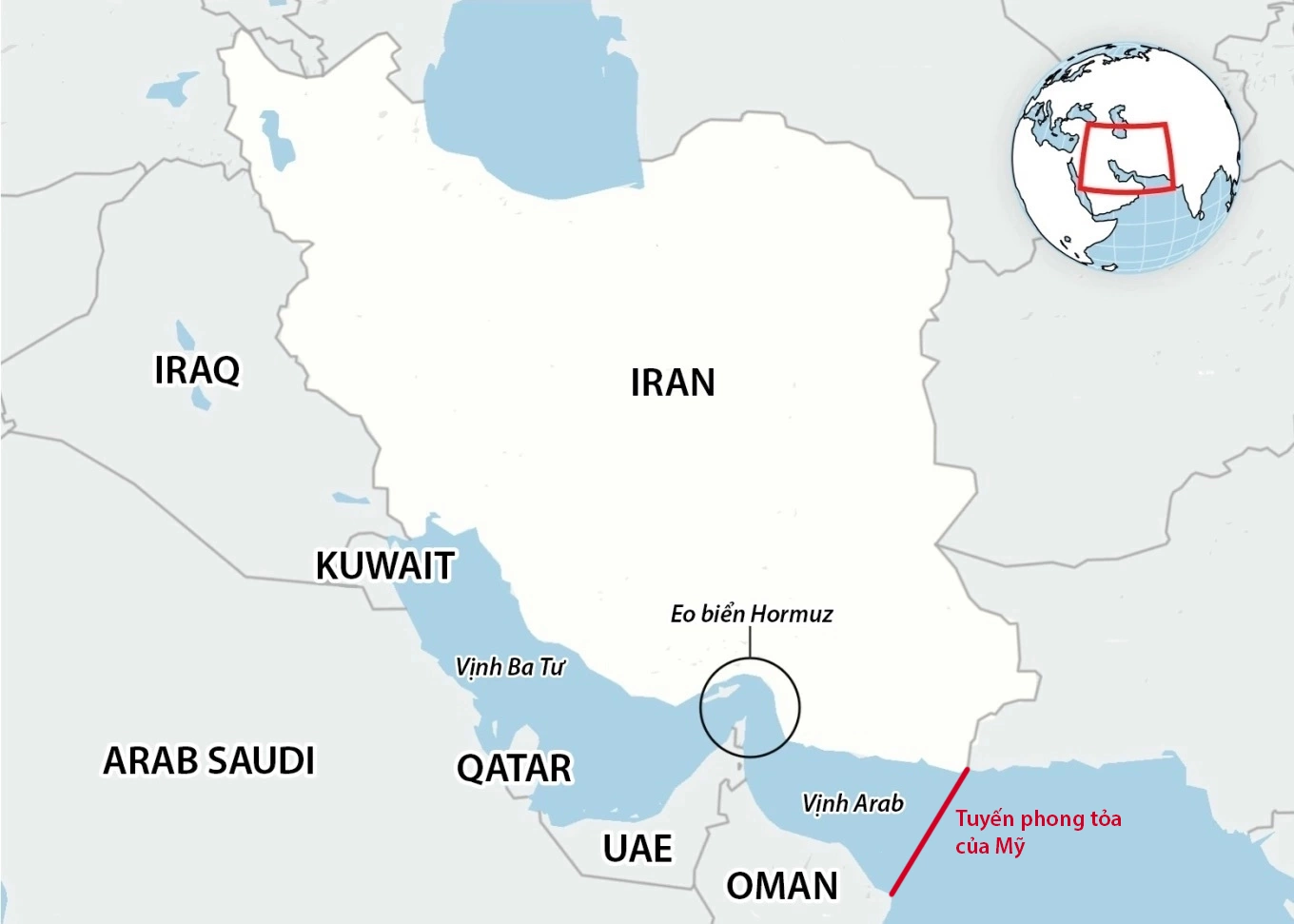 |
Location of the Strait of Hormuz. Graphic: Guardian |
According to two US officials, Washington's current strategy prioritizes attacking targets around the Strait of Hormuz, escorting cargo ships through the shipping lane, and maintaining a blockade of adversary seaports to support economic pressure efforts.
The US military expects to continue conducting attacks near the Strait, partly because Iran has demonstrated its ability to restore military capabilities after sustaining damage. This is also part of a broader US strategy to gradually erode Iran's ability to leverage the Strait of Hormuz.
The reciprocal strikes between the two sides are currently limited, unlike the intense attacks that occurred more than one month ago. According to experts, this indicates that neither the US nor Iran desires a return to full-scale war. Nevertheless, the situation remains dangerous, as even one miscalculation could draw both sides back into a comprehensive conflict.
Vu Hoang (According to AFP, Reuters, AP)