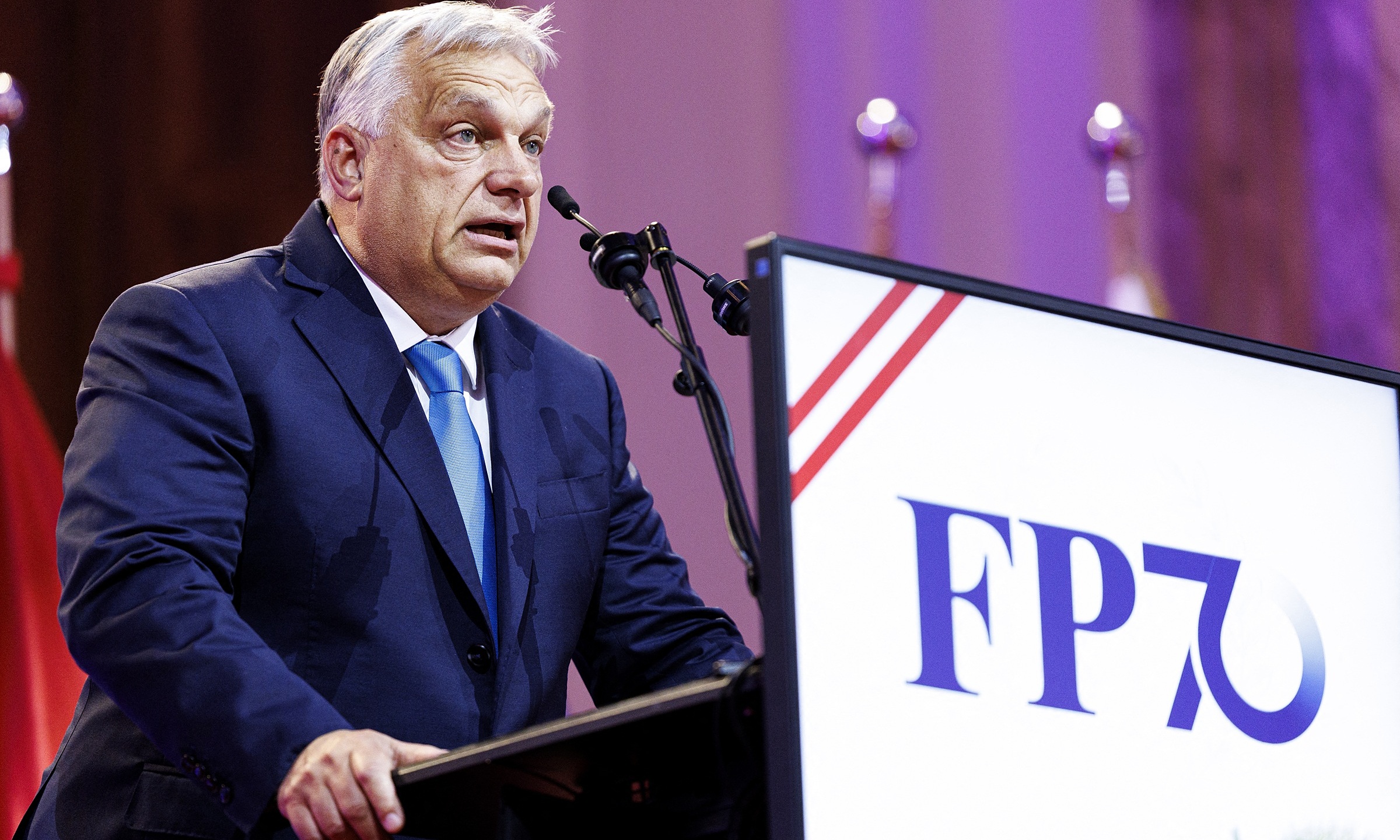
"Our defense doctrine is clear: an eye for an eye. Any act of aggression against Iran, including targeting our infrastructure, will be met with a strong and decisive response," Iranian foreign minister Abbas Araghchi stated on 22/7. This declaration comes amidst escalating tensions between the two nations, particularly concerning the vital Strait of Hormuz.
Araghchi's remarks directly followed threats from President Donald Trump, who had previously stated the US would destroy an Iranian bridge or power plant if the country attacked a vessel in the Strait of Hormuz. Trump further warned that targeted locations could be near the capital, Tehran. In an interview with Fox News last week, the US President reiterated threats to "destroy all of Iran's bridges" unless they came to the negotiating table.
Iranian state television, quoting military forces, reported that US actions "will yield no outcome other than the expansion of war." This highlights Iran's firm stance against any potential US aggression on its civilian infrastructure.
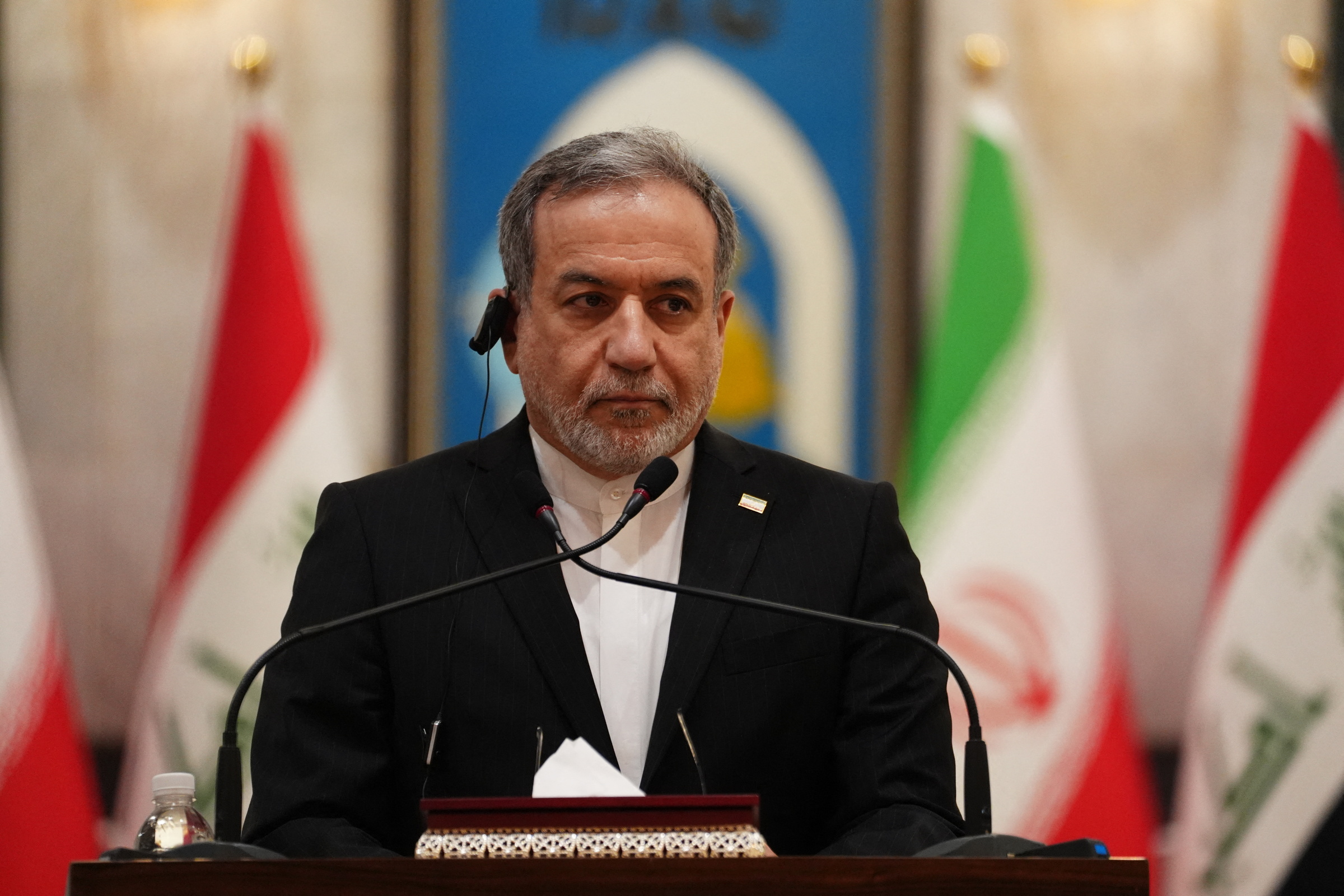 |
Iranian foreign minister Abbas Araghchi in Baghdad, Iraq, on 28/6. Photo: AFP.
Tensions between the US and Iran have resurfaced concerning the Strait of Hormuz, a vital waterway that has become a bargaining chip in negotiations between warring parties. This strategic maritime route is crucial for global oil shipments.
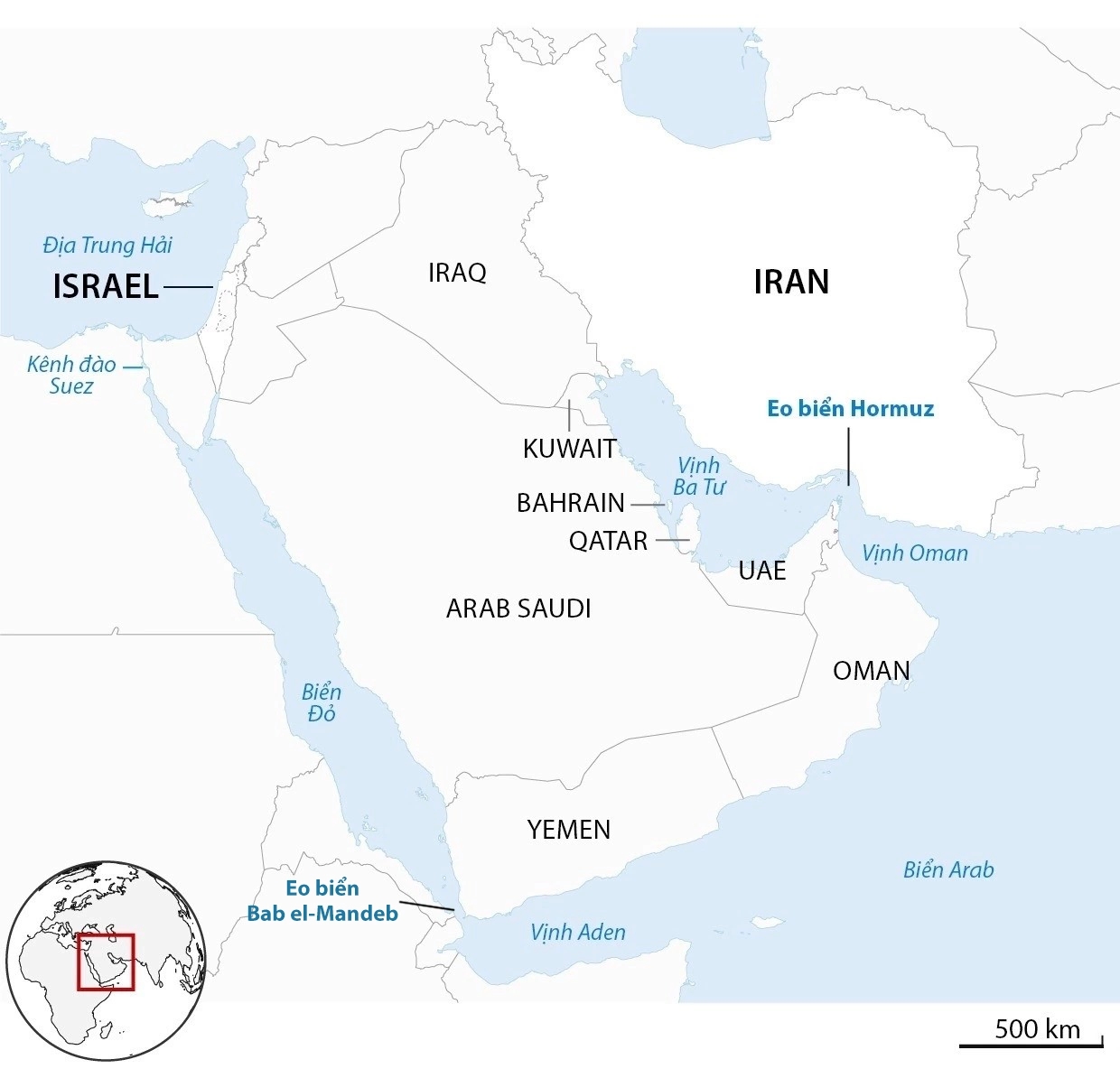 |
Location of the Strait of Hormuz. Graphics: Guardian.
The regional tensions escalated significantly on 25/6 when the cargo ship Ever Lovely was attacked while transiting Omani territorial waters. The US accused Iran of the act, launching airstrikes against multiple Iranian coastal targets on 26/6 in retaliation.
Since then, the US conducted airstrikes against Iran for 12 consecutive nights. Iran retaliated by targeting US military positions in the region. This cycle of tit-for-tat exchanges occurred repeatedly, weakening the bilateral ceasefire agreement.
US Central Command (CENTCOM), the agency responsible for US military operations in the Middle East, stated on 22/7 that Iran "does not control the Strait of Hormuz". It affirmed that the waterway remains open despite threats and attacks from the Islamic Revolutionary Guard Corps. CENTCOM added that it has facilitated the passage of over 900 commercial vessels through the strait since May.
Ngoc Anh (According to AFP, Reuters)