Late last month, Japan's new Prime Minister Sanae Takaichi smiled as she shook hands with Chinese President Xi Jinping on the sidelines of the Asia-Pacific Economic Cooperation (APEC) summit in South Korea. However, relations between the two nations are now clearly deteriorating, with increasingly strong reactions from China. Everything stems from a comment made by Prime Minister Takaichi.
Tensions flared when Takaichi addressed the Japanese parliament on 7/11, stating that a Chinese attack on Taiwan, an island located only about 100 km from Japan's southern outpost island of Yonaguni, would be considered a "situation threatening Japan's survival" and that Tokyo could activate a military response.
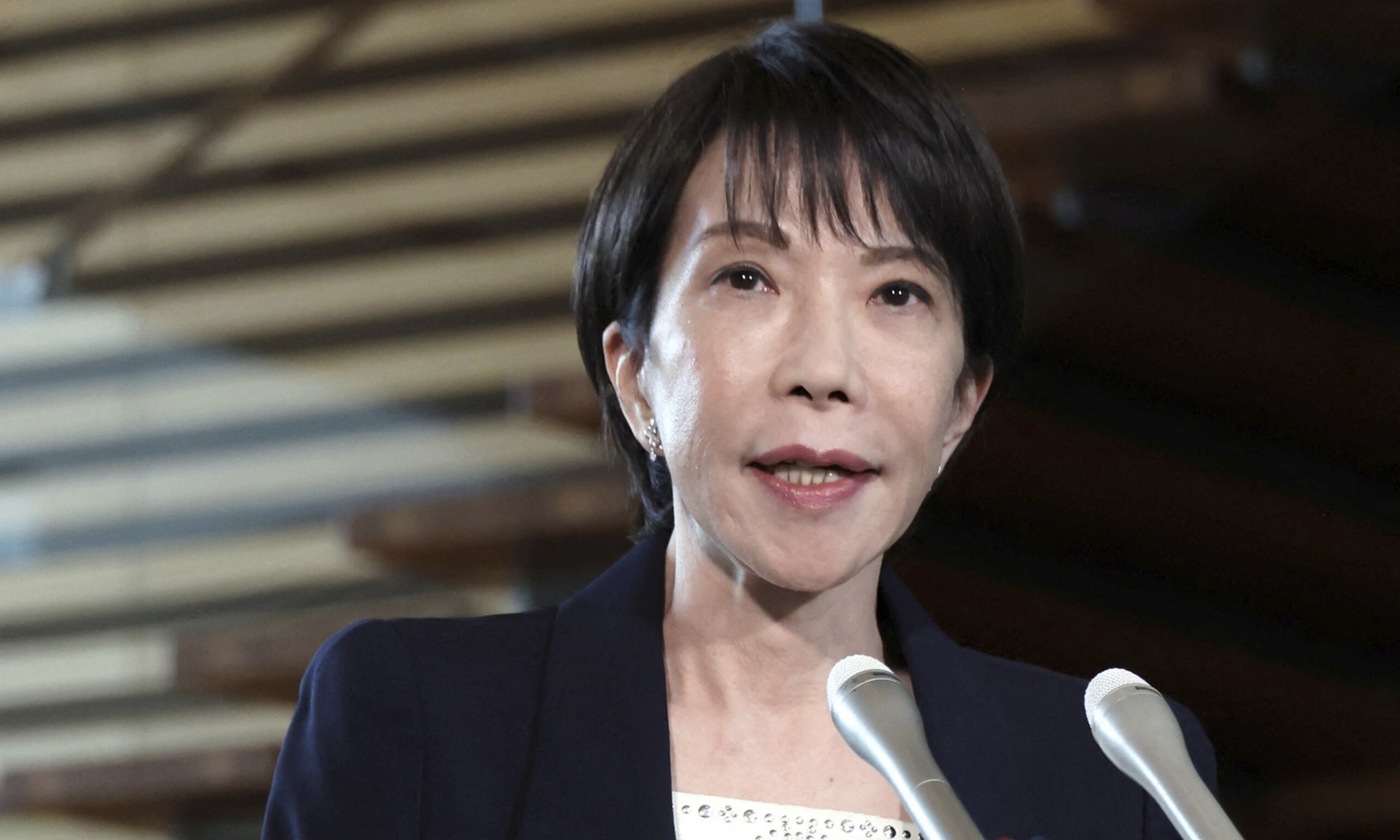 |
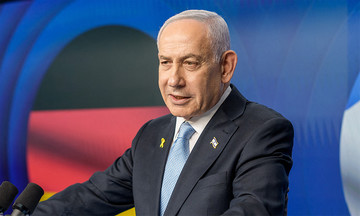
Japanese Prime Minister Sanae Takaichi speaks to the media in Tokyo on 22/10. Photo: AFP
Takaichi's comments sparked an angry reaction from China, which views Taiwan as a sensitive issue. China considers Taiwan an inseparable part of its territory and is prepared to use all means to unify the island. Chinese leaders have also repeatedly affirmed that they do not rule out the use of force to reclaim the island, although the general principle remains dialogue and peaceful reunification.
Japanese leaders have historically avoided discussing Taiwan, especially when it comes to military responses in emergency situations. The United States has even maintained a policy of "strategic ambiguity" regarding issues related to the island.
Former US President Joe Biden nearly caused a diplomatic crisis during his tenure when he repeatedly stated that the US was ready to intervene militarily if China attacked Taiwan, forcing the White House to constantly retract these comments. Each time, China reacted angrily.
Experts believe that Prime Minister Takaichi's comments could be broadly interpreted as implying that Japan would provide military support to Taiwan if China attacked the island.
Takaichi's statement "sent a very strong message to China, that Japan will no longer just stand by and watch", said Wang Hung-jen, a political analyst in Taiwan.
With its long-standing firm stance, China immediately reacted sharply to the Japanese prime minister's statement. The most notable response came from Chinese Consul General in Osaka Xue Jian, who alluded to threatening the life of the Japanese leader in a social media post.
Although the post was later removed, it still triggered a war of words and a strong wave of reactions in Tokyo. Japan sent a diplomatic protest note, criticizing Xue's action as "extremely inappropriate", and Takaichi's ruling party passed a resolution calling for the diplomat to be declared "persona non grata" and for his expulsion.
Beijing, meanwhile, staunchly defended its position. China's Ministry of Foreign Affairs accused Japan of "blatantly interfering" in its internal affairs, stating that Xue's post was simply a response to "incorrect and dangerous comments" from Prime Minister Takaichi.
The war of words continued to escalate. On 12/11, Yuyuan Tantian, a Chinese media outlet affiliated with state broadcaster CCTV, declared that Takaichi "will very likely pay a price" for her comments.
China's Ministry of Foreign Affairs continued its statements one day later, calling on Japan to "retract its baseless remarks", otherwise, "Japan will bear the consequences".
On 14/11, China summoned the Japanese ambassador to deliver a "stern representation" regarding "incorrect comments" from Prime Minister Takaichi. In response, Japan stated that its stance on Taiwan "remains unchanged" and Tokyo will continue to promote peace and stability in the Taiwan Strait.
Japan also summoned the Chinese ambassador to protest Xue's "extremely inappropriate" comments.
Meanwhile, China's Ministry of Foreign Affairs advised citizens not to travel to Japan and those already there were urged to "closely monitor the local security situation, enhance safety awareness, and strengthen self-protection measures". This raised concerns that Japanese tourism businesses would face a serious decline in activity.
Explaining her statement, Prime Minister Takaichi said the comments were merely "hypothetical" and she would avoid making similar statements before parliament again.
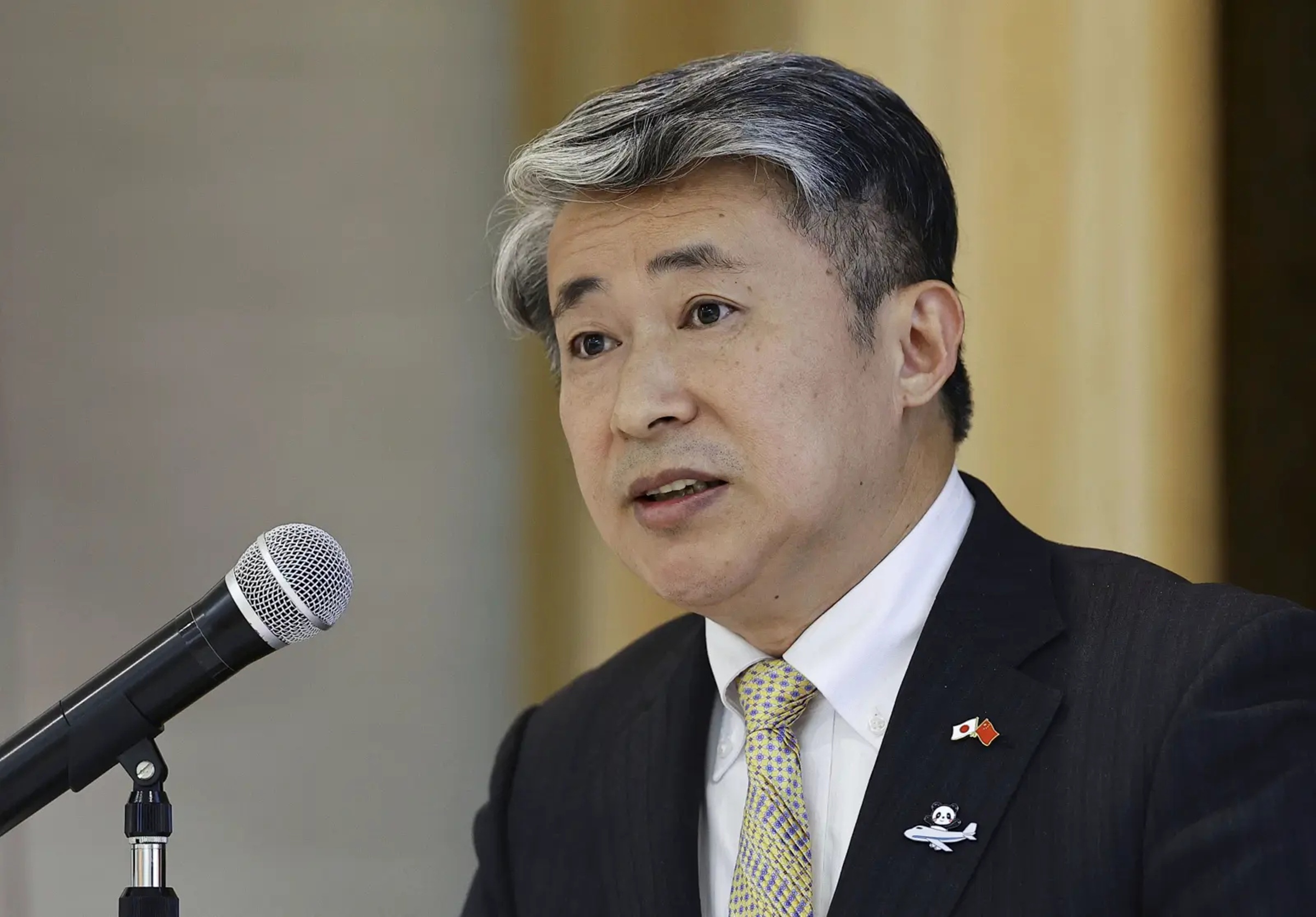 |
Xue Jian speaks in Osaka city, western Japan, in 2/2024. Photo: AP
Nevertheless, the incident highlighted Takaichi's challenges in maintaining stable relations with China, an experience shared by all Japanese leaders.
China remains Japan's largest trading partner, and Takaichi took office as prime minister while the country faces a series of economic issues. She is also known for her conservative, firm views, advocating for strengthening Japan's defense capabilities and criticizing China's increasing military presence in the region.
This difficult relationship was evident when Takaichi met Xi Jinping at the APEC summit on 31/10. The prime minister stated that both sides agreed to build a "mutually beneficial strategic relationship", but she also raised concerns with the Chinese president about China's activities in the East China Sea, including the area around the Senkaku/Diaoyu islands, which both countries claim.
Even before taking office, Takaichi had always expressed a clear stance on Taiwan. She visited the island earlier this year and called for cooperation to address "defense challenges", which Beijing condemned at the time. At APEC, she also met with Taiwan's representative, once again angering China.
Yee Kuang Heng, a professor at the University of Tokyo, suggested that Prime Minister Takaichi's comments might be a way for her to signal a tougher stance, but he cautioned that she needs to be more careful about the downsides and must maintain a "delicate balance to keep the opponent guessing" rather than being too direct.