"I think we won. I don't want a ceasefire. You cannot have a ceasefire when you are truly destroying the enemy," US President Donald Trump stated in a post on Truth Social on 20/3, referring to the strike campaign against Iran.
Trump added that the United States was "very close" to achieving its campaign objectives and was "considering a gradual reduction of major military operations."
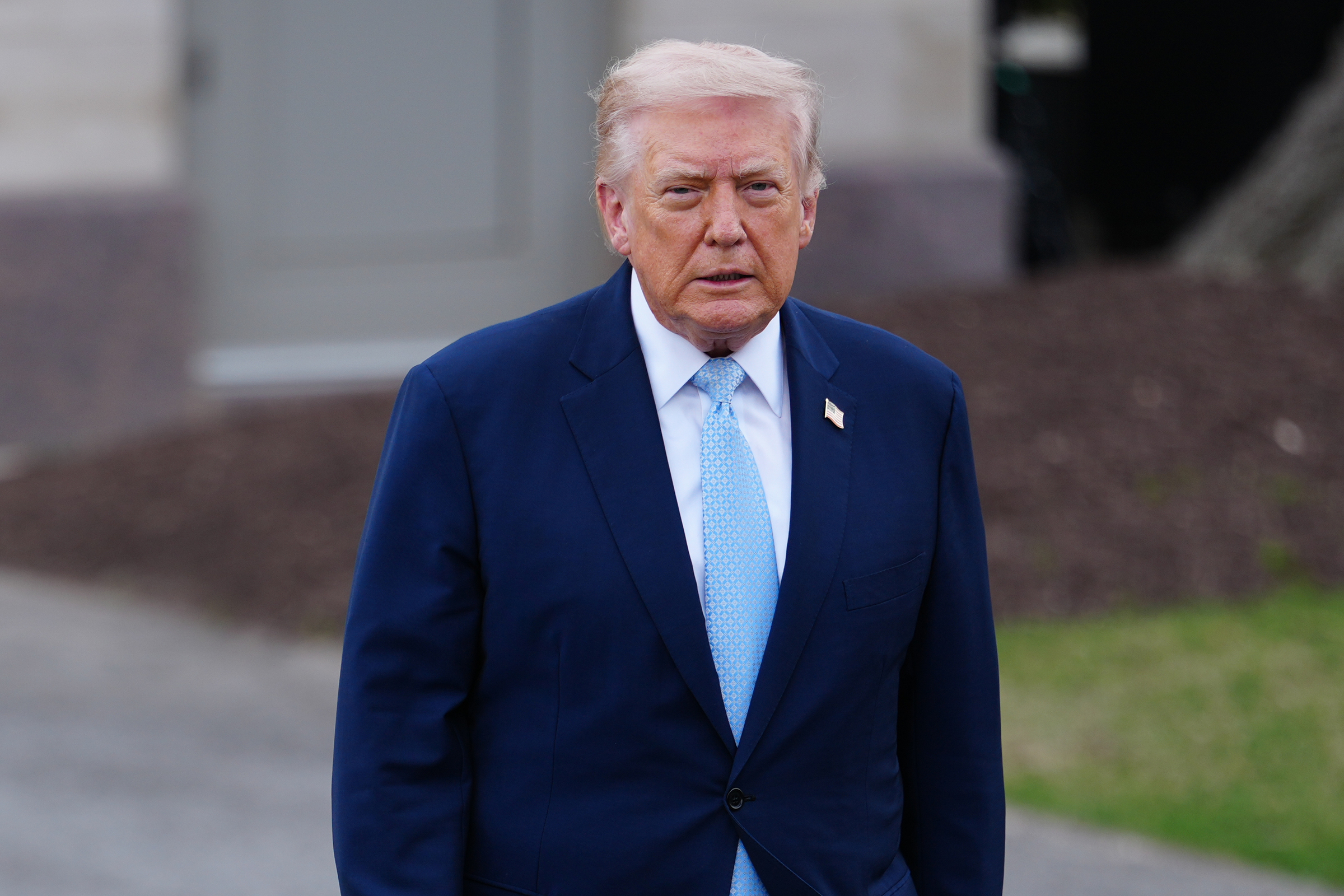 |
US President Donald Trump on the White House grounds on 20/3. Photo: AP |
The US President emphasized that other nations would be responsible for protecting the shipping lanes through the Strait of Hormuz, which transports 20% of global oil supplies but is currently blockaded by Iran.
"The countries that use the Strait of Hormuz will have to protect and control this route when necessary, but the United States will not. If asked, we will support their efforts in Hormuz, but that will no longer be necessary once the threat from Iran is eliminated," he said.
The White House occupant suggested Washington desired dialogue with Tehran but found "no one to talk to" after the strike campaign resulted in the deaths of Supreme Leader Ali Khamenei and many other senior Iranian officials.
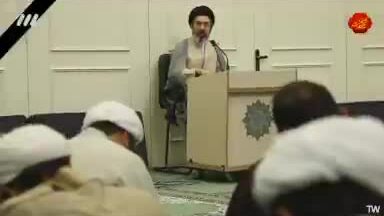
New Supreme Leader Mojtaba Khamenei has not appeared publicly since his appointment on 8/3. In a written message for the Persian New Year on 20/3, Mojtaba declared that Iran had "dealt a stunning blow to its adversaries" and caused them to "begin speaking contradictory and meaningless words."
Mojtaba had previously sent a message to the Iranian President, affirming that he would ensure all enemies would not be safe after the Intelligence Minister was killed by Israel.
Axios reported that the United States was considering the possibility of deploying troops to control or blockade the oil hub on Kharg Island to pressure Tehran. When asked by an AFP reporter about this intention, Trump said, "I may or may not."
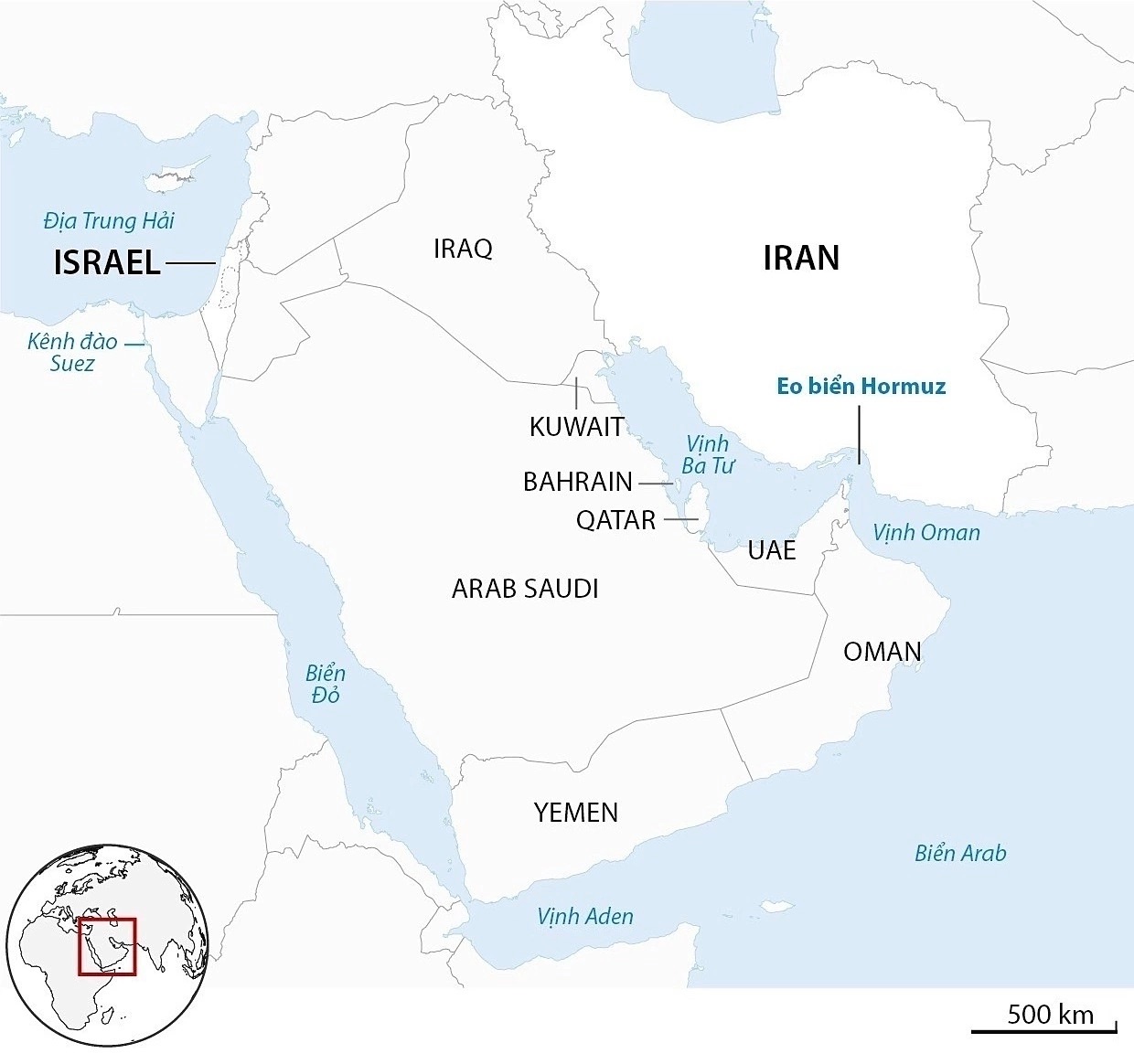 |
Location of the Strait of Hormuz and regional countries. Graphic: Guardian |
Three weeks into the conflict, the tensions between Iran, the United States, and Israel show no signs of easing, with over 2,000 people having died. Beyond the initial military targets, the conflict is now spreading to numerous energy infrastructures across the region, threatening oil and gas supplies and leaving global energy markets in turmoil.
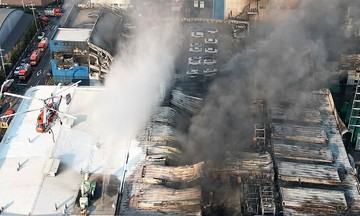
On 20/3, Iran continued its attacks on energy infrastructure in the Persian Gulf. Kuwait's large Mina Al-Ahmadi oil refinery was hit by a drone attack, leading to a fire that was subsequently brought under control.
One day prior, Iran attacked Qatar's crucial Ras Laffan natural gas facility, causing widespread damage. Qatar's state energy company stated that the strike could result in a loss of 20 billion USD in annual revenue and would require five years to recover.
By Thanh Tam (AFP, Reuters)