The remains of four US service members—Angel S. Rampersad, 28; Michael Emmanuel Swinton, 30; Tyler James Feehan, 25; and Isabella Gonzales, 19—were repatriated from the Middle East to Dover Air Force Base, Delaware, on 22/7. President Donald Trump, along with other officials, attended the solemn ceremony.
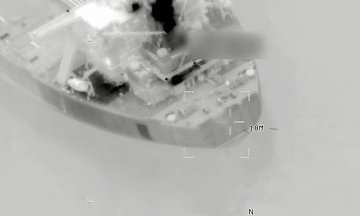
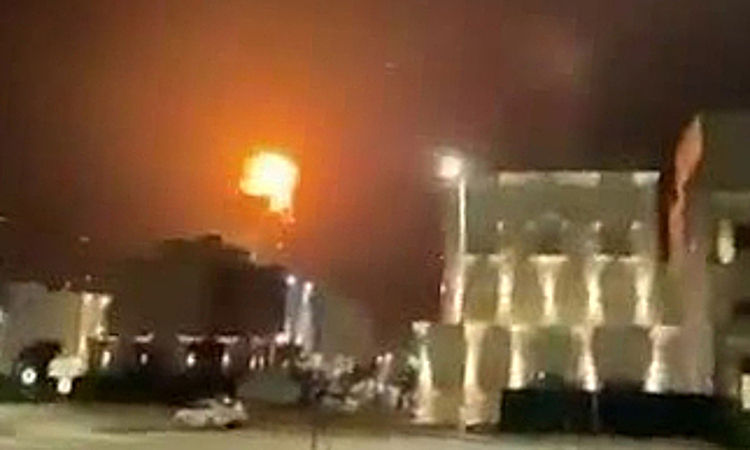
The service members died in two separate incidents. Feehan, Rampersad, and Gonzales were killed on 18/7 when an Iranian missile struck residential quarters at Muwaffaq Salti Air Base in Jordan. Swinton died on 20/7 while neutralizing an Iranian drone in Erbil, Iraq.
During the dignified transfer ceremony, President Trump, wearing a blue suit and red tie, stood solemnly near the tarmac, rendering a military salute as the flag-draped caskets were carried from the aircraft. Families of the fallen service members observed the proceedings from a distance. Other high-ranking officials also attended, including Secretary of Defense Pete Hegseth, Chairman of the Joint Chiefs of Staff Dan Caine, White House press secretary Karoline Leavitt, and Senators Thom Tillis, a Republican, and Chris Coons, a Democrat.
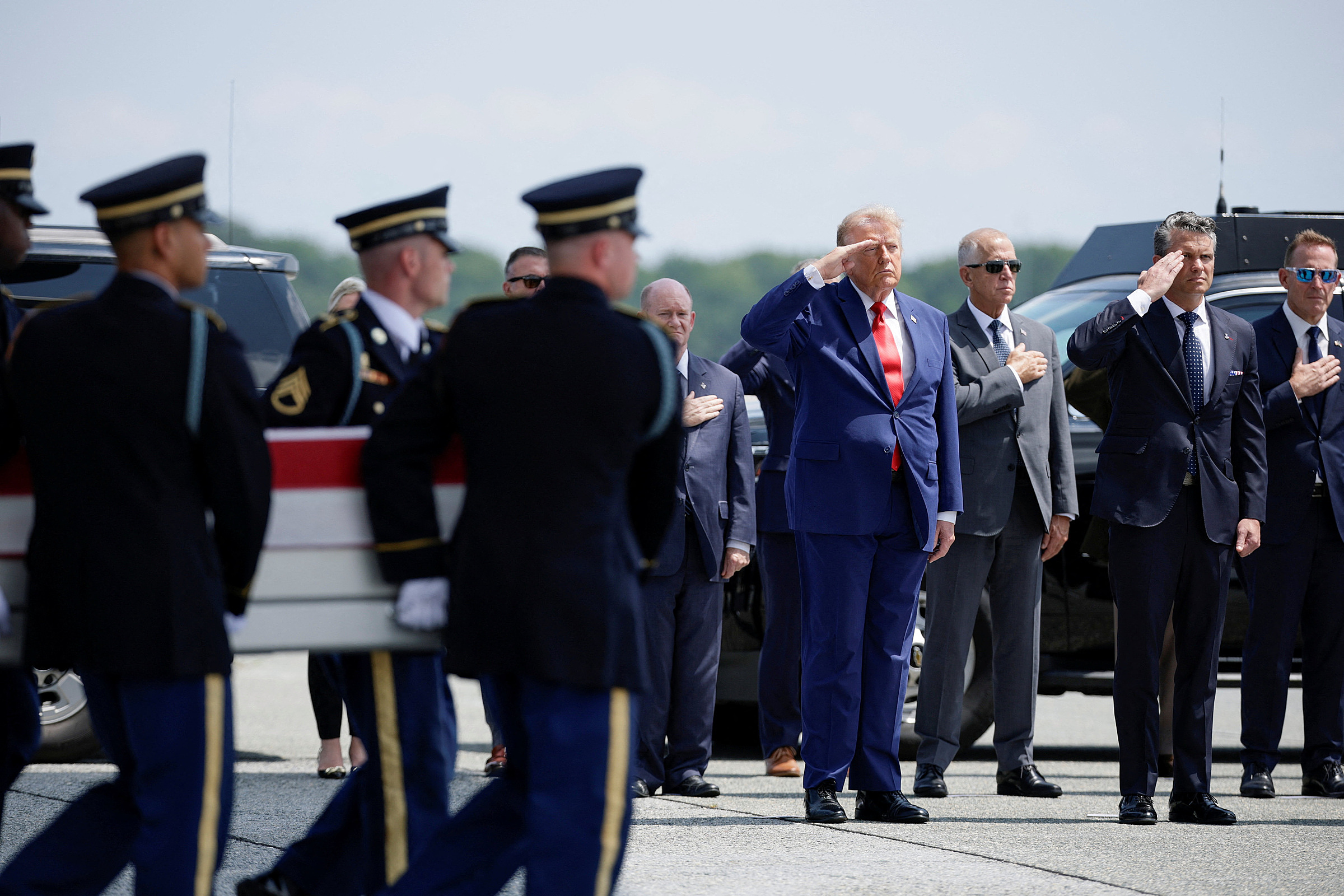 |
US President Donald Trump (red tie) salutes as soldiers move the remains of service member Isabella Gonzales from an aircraft at Dover Air Force Base, Delaware, on 22/7. Photo: Reuters |
Before heading to the ceremony, Trump expressed the gravity of the occasion. "We will honor them. As President, this is one of the hardest things I have to do. But it is a responsibility that cannot be avoided", he stated. The White House later confirmed that the President also met privately with the service members' families after the event.
Dignified transfer ceremonies are among the most solemn duties for US presidents, who often attend to honor service members killed in conflicts they command as Commander-in-Chief of the armed forces. This marks the third time Trump has attended such a ceremony since the US and Israel launched the war against Iran in late February. The event unfolded amid ongoing controversy in Washington over the war, with many lawmakers from both parties criticizing the Trump administration's strategy in the conflict with Iran.
The conflict has taken a heavy toll. While the two sides reached a ceasefire in June, the agreement quickly collapsed, plunging the region into chaos. The fighting has so far resulted in 18 US service member deaths, caused at least 37,5 billion USD in damages, and driven up oil prices. Despite the criticism, President Trump and administration officials have repeatedly defended their handling of the war, arguing that military action is necessary to prevent Iran from acquiring nuclear weapons.
 |
From left to right: Isabella Gonzales, Tyler James Feehan, Angel Rampersad, and Michael Emmanuel Swinton – four US service members killed by Iranian fire. Photo: DVIDS |
The war's costs and strategy faced intense scrutiny during a tense hearing on the Pentagon's budget proposal on 21/7. Secretary of Defense Hegseth fielded a barrage of questions from senators. Democratic Senator Gary Peters sharply criticized the administration's efforts as "a complete and utter failure" and demanded that Secretary Hegseth clarify the long-term plan to end the war. "You have more than 1 trillion USD, and you are even proposing to increase it to 1.5 trillion USD. This is not a matter of money, but of leadership and understanding what it truly takes to win", Peters asserted.
Public opinion polls reflect widespread concern regarding the conflict. According to a Reuters/Ipsos poll conducted this month, 80% of Americans believe the war will continue, while only 37% of respondents support US military airstrikes against Iran. President Trump's approval ratings have remained at their lowest point in his political career since the conflict erupted. Republican strategists warn that escalating living costs have overshadowed the political benefits of Trump's tax cuts.
Rising gasoline prices and cost-of-living pressures are considered significant political risks for the Republican party ahead of the November midterm elections. The party faces the risk of losing its majority in the House of Representatives and potentially control of the Senate, further complicating the political landscape surrounding the ongoing conflict.
By Huyen Le (NBC News, Reuters)