A US KC-135 refueling aircraft, tail number 59-1444, landed at Tinker Air Force Base in Oklahoma on 14/4. Its fuselage was still covered with specialized aviation tape, used for temporary repairs of surface damage until full maintenance can be performed.
Tinker Air Force Base hosts the Oklahoma City Air Logistics Complex, which specializes in factory-level maintenance for aircraft including the KC-135, KC-46, E-3, E-6, B-52, and B-1B.
A US KC-135 refueling aircraft arrived at Tinker Air Force Base on 14/4. Video: KOCO 5 News
"Given its technical facilities, Tinker is a logical destination for an aircraft with such obvious damage. The future of 59-1444 is uncertain, but decommissioning it for parts cannot be ruled out," stated Kai Greet, a commentator for military aviation specialist site Aviationist.
The US Air Force has recently transferred several KC-135 aircraft from storage to Tinker Air Force Base for parts, aiming to maintain the operational readiness of its remaining fleet.
Tail number 59-1444 is believed to be one of the KC-135 refueling aircraft damaged during Iranian attacks on Prince Sultan Air Base in Saudi Arabia in March. The tape on the aircraft appears to have been used to patch shrapnel damage.
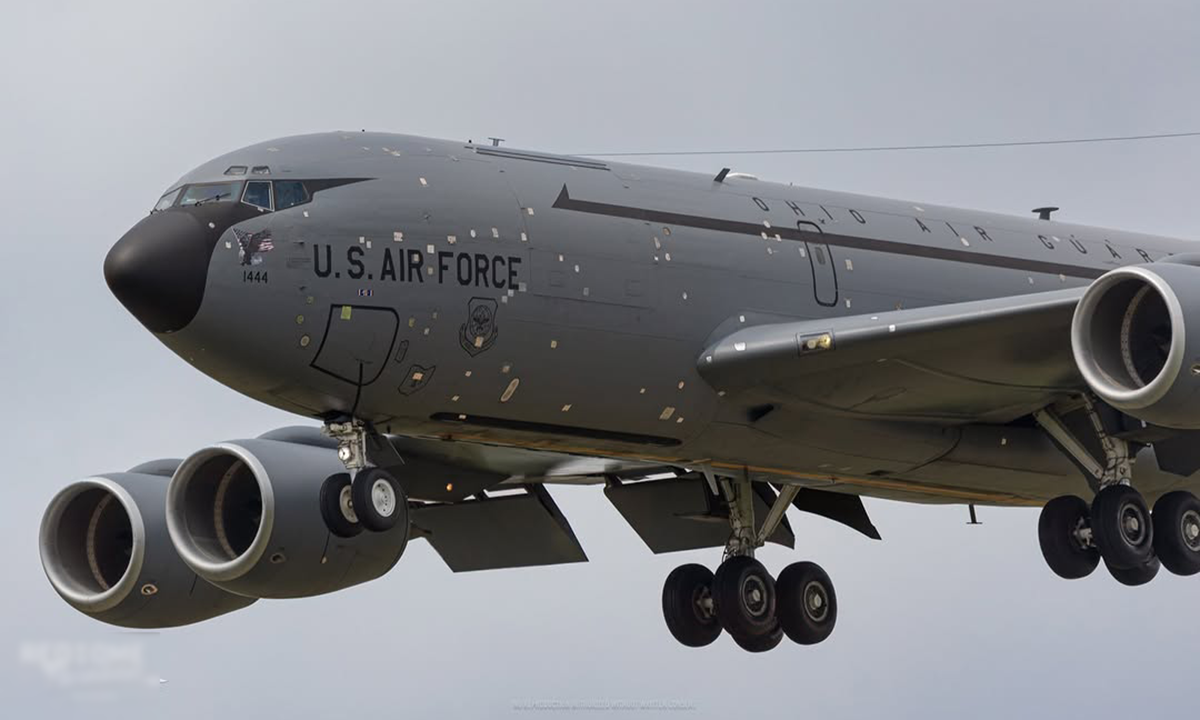 |
A US KC-135 refueling aircraft at Tinker Air Force Base on 14/4. Photo: Instagram/redhomeaviation
Including aircraft operated by the National Guard, the US Air Force currently has over 350 KC-135s in service. In 2024, the mission-ready rate for these aircraft was about 67-69%. While this fleet significantly surpasses all other global forces in size, the US refueling fleet risks overload due to its worldwide operational demands.
During the Iran attack campaign, hundreds of US refueling aircraft flew at high intensity, supporting direct combat operations and other missions like logistics. Damage to the refueling fleet, even if one or two aircraft are put out of action, reduces flexibility in operational planning.
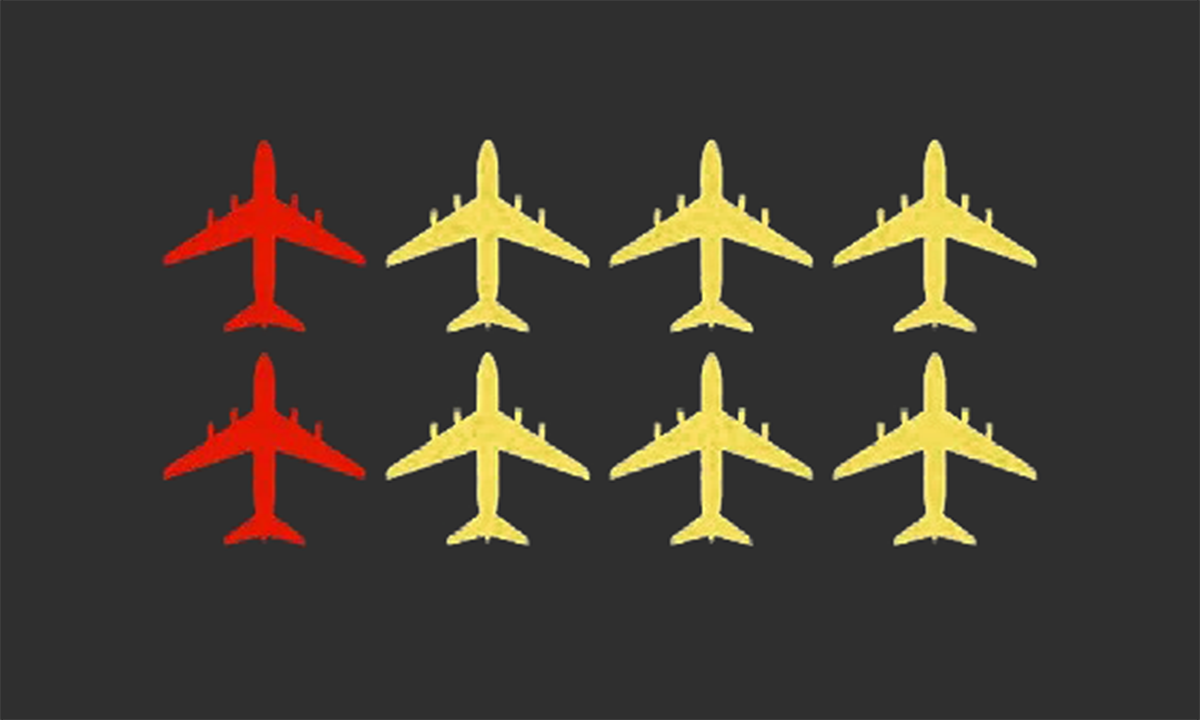 |
US aircraft damaged after six weeks of conflict with Iran. Click the image for full details.
The KC-135 aircraft was developed from the Boeing 367-80 prototype. It entered service in June 1957 and remains operational today. Each aircraft has a crew of 3-4, a maximum speed of 933 km/h, and an operational range of 2,100 km when carrying 68 tons of fuel for transfer to other aircraft.
Each KC-135 was estimated to cost nearly 40 million USD in 1998, equivalent to 77 million USD today.
By Pham Giang (According to Aviationist, KOCO 5 News)