The no-fly zone proposed by the US Federal Aviation Administration (FAA) on 1/9 has a radius of over 1,8 km and an altitude of approximately 610 m around the Mar-a-Lago estate in Palm Beach, Florida. This resort is located near Trump International Airport (the new name for Palm Beach International Airport).
The US Secret Service requested these restrictions based on intelligence regarding security threats, according to the FAA. They stated the measure would "significantly enhance the ability to mitigate persistent risks from unauthorized aircraft and unmanned aerial vehicles".
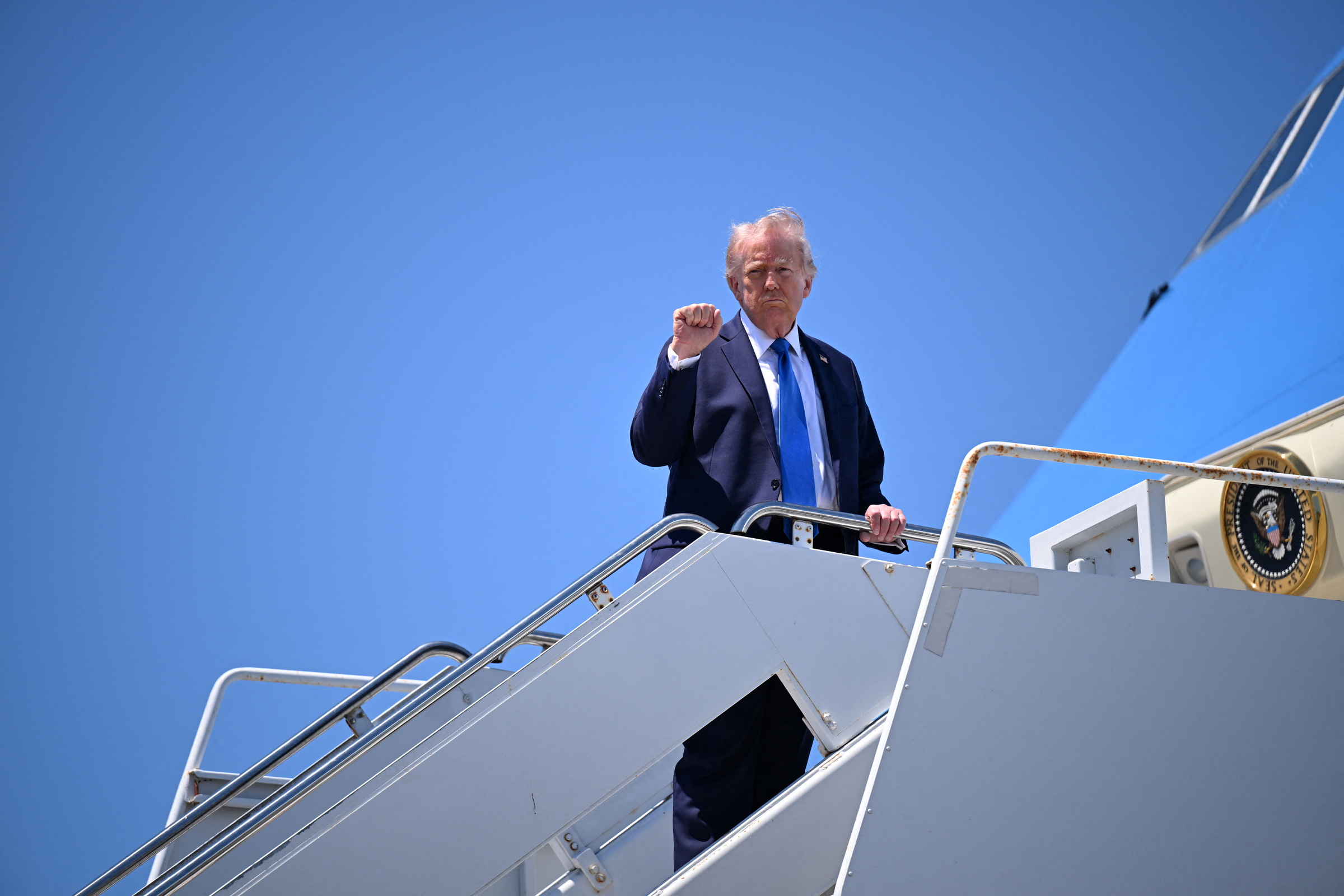 |
US President Donald Trump boards Air Force One at Palm Beach International Airport in Florida, on 25/4. *Photo: AFP*. |
The FAA typically imposes expanded flight restriction zones whenever the President or Vice President travels outside Washington, and will continue to apply broader restrictions when Mr. Trump is at Mar-a-Lago.
The FAA will still allow commercial aircraft to operate, provided they comply with established rules. Without this exception, the main runway at Palm Beach airport would essentially be stalled and unusable.
The FAA will also permit emergency, life-saving, and law enforcement aircraft to operate within the restricted area. For these flights, pilots must maintain two-way radio contact with air traffic control and receive prior authorization before entering the area.
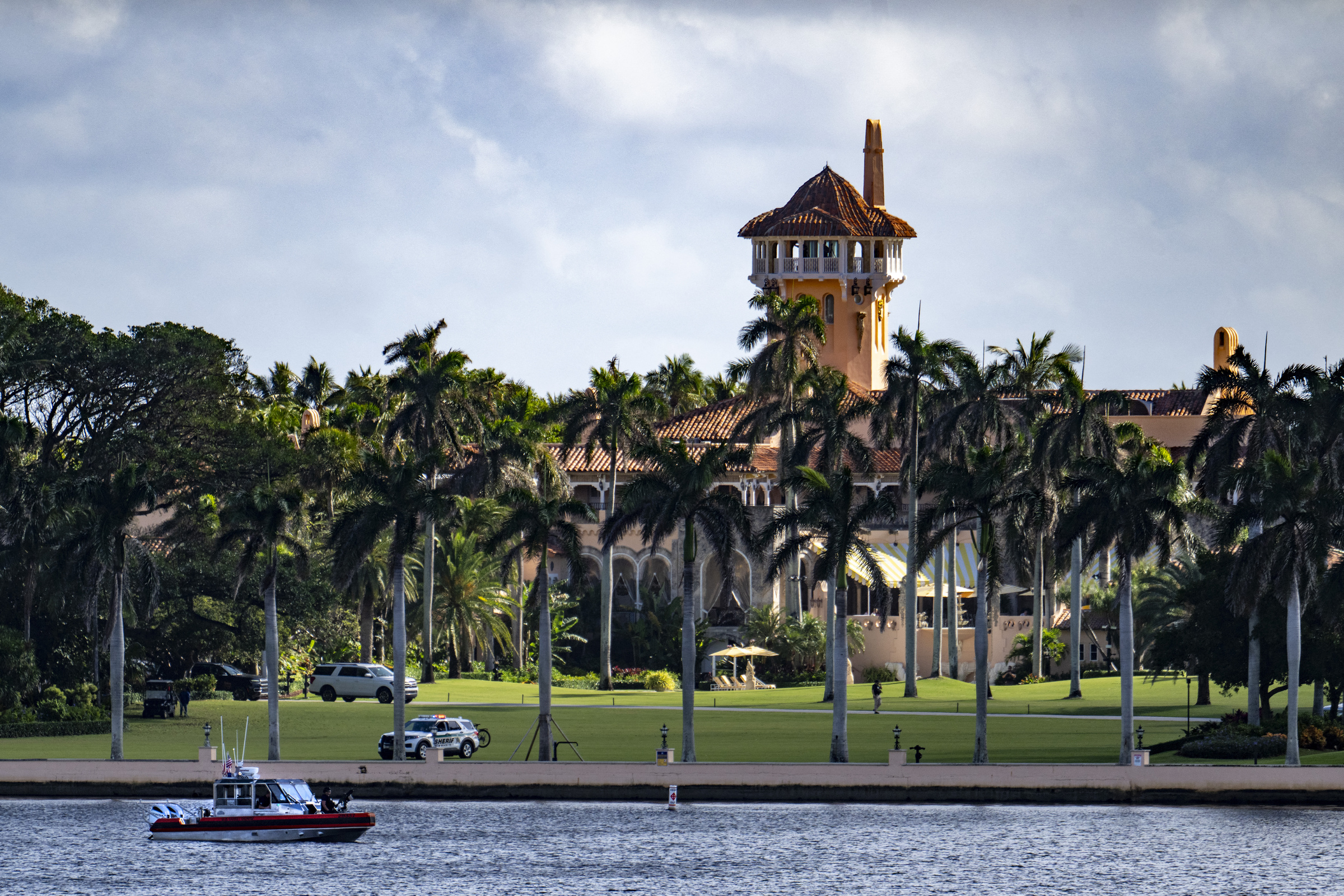 |
Security boats patrol around the Mar-a-Lago estate on 8/11/2024. *Photo: AFP*. |
Palm Beach International Airport was renamed Trump International Airport in July, the latest move in a series of buildings and government programs named after him.
The FAA previously prohibited aircraft operations in areas surrounding seven US presidential and vice-presidential residences. The most recent instance was in 2001 in Crawford, Texas, where former president George W. Bush owned a ranch. These restrictions remain in effect, although the scope of the restricted area was narrowed in 2010.
Thanh Tam (Source: Reuters, AFP)