The European new car assessment program (Euro NCAP) has completely overhauled its safety testing procedures for the first time in over a decade. The BMW iX3 and Zeekr 7GT are the first models to achieve the maximum 5-star safety certification under this new standard framework. The 2026 procedures will restructure the assessment scale around four phases: safe driving, crash avoidance, crash protection, and post-crash response.
The iX3 50 xDrive, an electric SUV weighing 2,285 kg developed on BMW's Neue Klasse platform, scored 73% in the safe driving category, 83% in crash avoidance, 86% in crash protection, and 95% in post-crash response capability.
The car's automatic emergency braking (aeb) system exceeded Euro NCAP's requirements in vehicle-to-vehicle collision scenarios, when turning at intersections, and in motorcycle collisions. Additionally, the speed limit sign recognition feature operated accurately in 86% of cases during a 2,000 km real-world test drive in Italy, France, Germany, and Austria.
Euro NCAP noted that the iX3's driver monitoring system was less sensitive to short-term visual distraction. It also indicated that while the system could classify occupants, it could not detect front passengers seated incorrectly or improper seat belt use.
Meanwhile, the Zeekr 7GT Privilege AWD, an all-electric wagon weighing 2,405 kg, achieved scores of 79% for safe driving, 89% for crash avoidance, 93% for crash protection, and 95% for post-crash response.
The Zeekr 7GT achieved 79% in the safe driving category due to its sophisticated driver monitoring system and sensors that warn of improper lap-only seat belt use. Zeekr also equipped the car with a manual front passenger airbag deactivation switch for rear-facing child seats, along with a child presence detection system that can alert bystanders when a child is left unattended. This model's speed sign recognition capability accurately read limits in only 79% of cases.
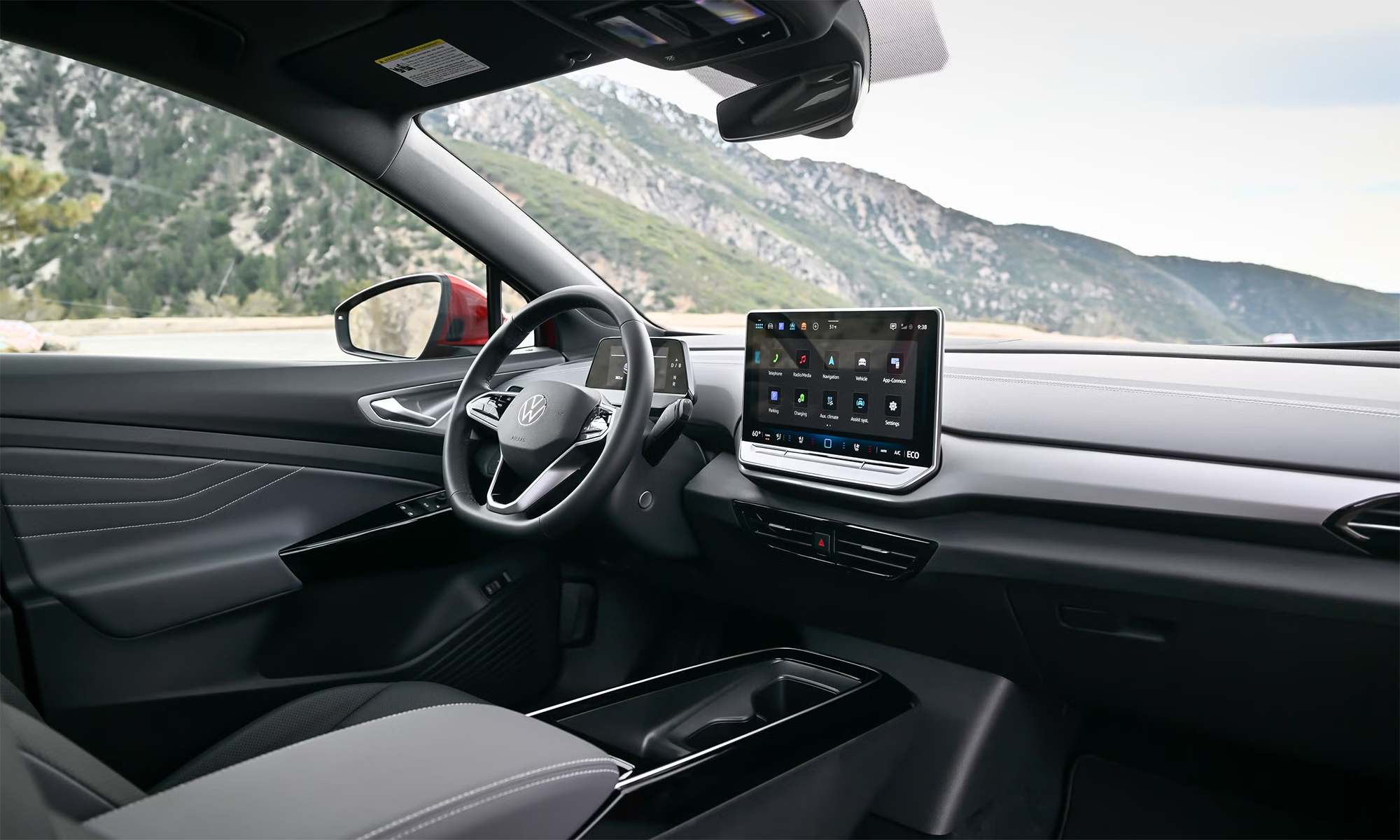
The excessive use of the touchscreen to control vehicle functions led to the 7GT losing points in the safe driving category. However, its aeb system performed well in head-on collision situations, when reversing, and at intersections.
When Euro NCAP was established in 1996, many automakers publicly opposed independent crash testing. They argued that meeting such safety expectations was both unrealistic and financially unfeasible. Over time, however, manufacturers gradually recognized Euro NCAP's 5-star ratings, making vehicle crashworthiness a core, essential value to consumers.
The new standard framework enhances consumer protection, placing greater emphasis on intuitive and effective driver assistance systems, robust crash avoidance capabilities, protection for occupants of various types, as well as post-crash safety and care.
My Anh