Sleeper buses are a popular choice for long-distance journeys, offering convenience and affordability. Yet, during an incident, passengers often find themselves vulnerable, especially when asleep or resting. Simple skills and habits can significantly reduce injury risk and enhance escape opportunities in such emergencies.
Maintaining stability and minimizing initial risks
While no position on a sleeper bus offers absolute safety, proper posture can reduce injury risk during an accident. Passengers should keep their bodies within the bed's confines, avoiding stretching limbs into the aisle. This prevents impact during sudden braking or loss of control. Similarly, avoid pressing your head against hard surfaces or windows. Always use a seatbelt if available, even when sleeping. A seatbelt keeps the body secure during rollovers or severe collisions, minimizing the chance of being ejected from your spot.
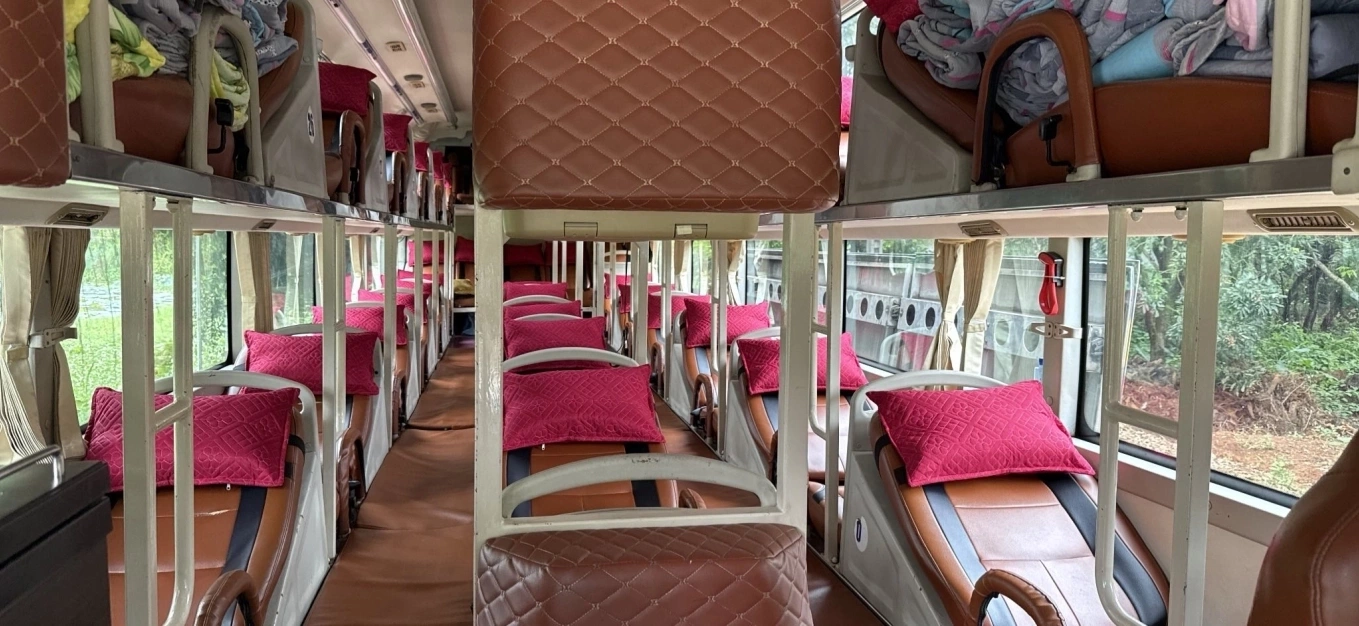 |
Inside the passenger compartment of a sleeper bus. *Van An*
Trip safety also depends on selecting a reputable bus company. Overcrowding creates cramped conditions, making it difficult for passengers to remain stable or escape during a collision. A driver's condition is equally critical; fatigue or inattention significantly increases risks, particularly on long or winding routes. Therefore, passengers should choose companies that strictly adhere to passenger capacity, avoid overcrowding, and employ thoroughly vetted drivers.
Preparing for and reacting to incidents
Passengers should proactively identify emergency exits, including main doors, auxiliary doors, and the location of glass-breaking hammers, to ensure a swift response during an incident. Simple precautions, such as keeping footwear tidy, ensuring a charged phone for emergency contact, and avoiding placing heavy objects in precarious positions, also mitigate risks in urgent situations.
If the bus loses control, passengers must remain calm and protect their head and neck. The recommended collision posture involves curling up, covering the head with hands, and bracing the body to absorb impact. Attempting to stand or move at this point can worsen injuries. Once the bus stops, passengers should quickly assess their surroundings and locate the nearest exit.
Should there be a risk of fire, explosion, or if the bus is unstable, exit the vehicle immediately. Use a hammer or heavy objects to break windows and create an escape path. Pushing or panicking exacerbates danger; therefore, passengers must remain calm to manage the situation effectively.
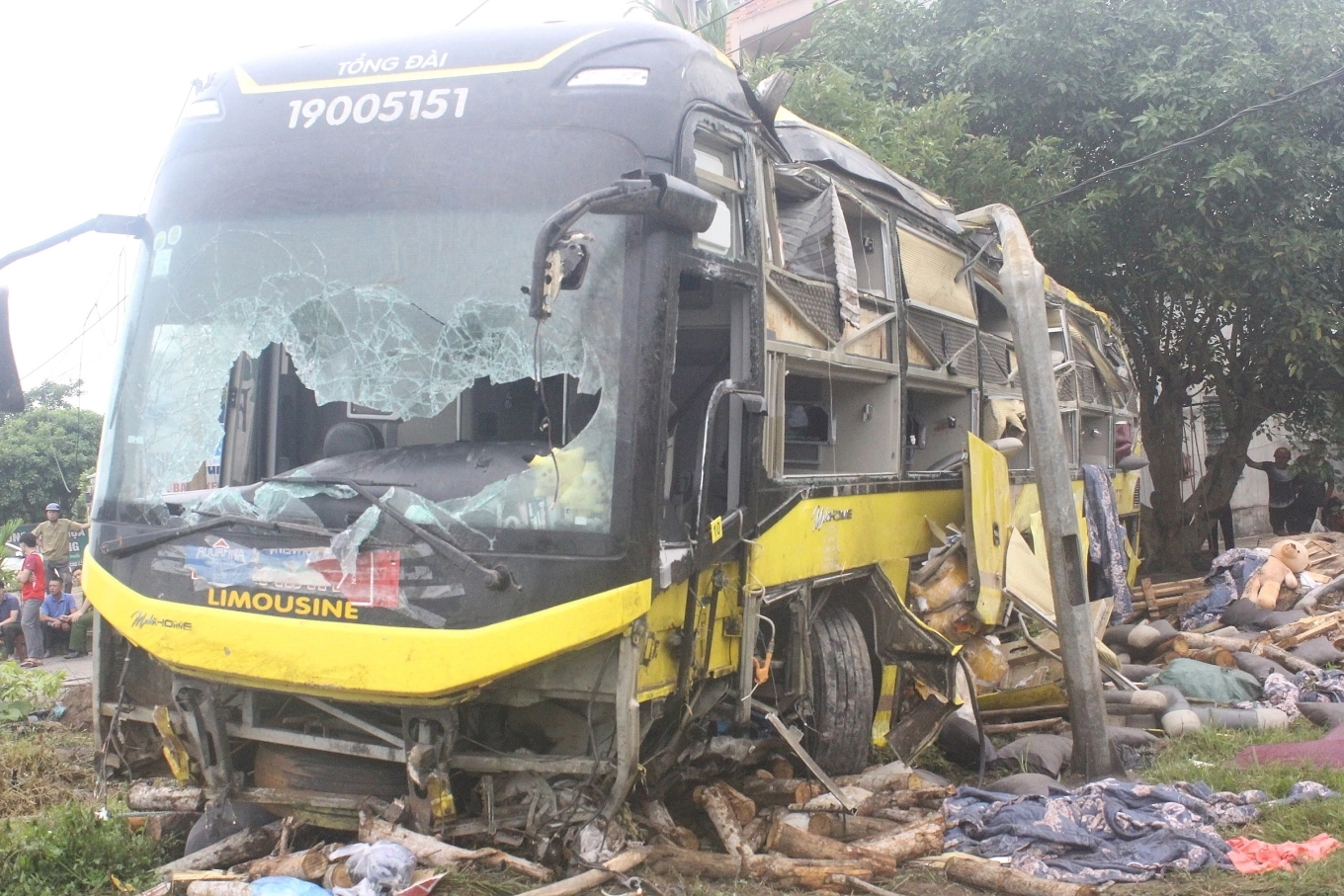 |
Sleeper bus deformed after an accident in Ha Tinh, 7/2025. *Hung Le*
Upon exiting the vehicle, passengers can assist those still trapped before moving to a safe distance and seeking further aid. For injured individuals, administer basic first aid like stopping bleeding or providing warmth to stabilize their condition. Crucially, avoid moving victims if severe injuries are suspected.
Ho Tan