Rising ambient temperatures during summer significantly impact vehicle operation. Both gasoline and electric vehicles experience changes in fuel consumption, engine performance, and battery durability when operating in hot weather. However, the extent of these effects differs notably between the two vehicle types.
Engine performance and fuel consumption
According to a study by the US Department of Energy, hot weather does not always increase fuel consumption in gasoline cars. Engines can reach optimal operating temperatures faster, and warmer air creates less drag. However, in real-world driving conditions, these advantages are often negligible.
The primary reason gasoline cars consume more fuel in summer is the use of air conditioning. This system draws power directly from the engine, forcing the vehicle to work harder. Fuel consumption can increase by 5-10%, or even up to 25% on short trips. Furthermore, high temperatures in urban environments reduce heat dissipation, especially in traffic, increasing the engine's load. Factors such as fuel evaporation, changes in tire pressure, or driving with open windows, which reduces aerodynamics, also contribute to the vehicle's fuel consumption.
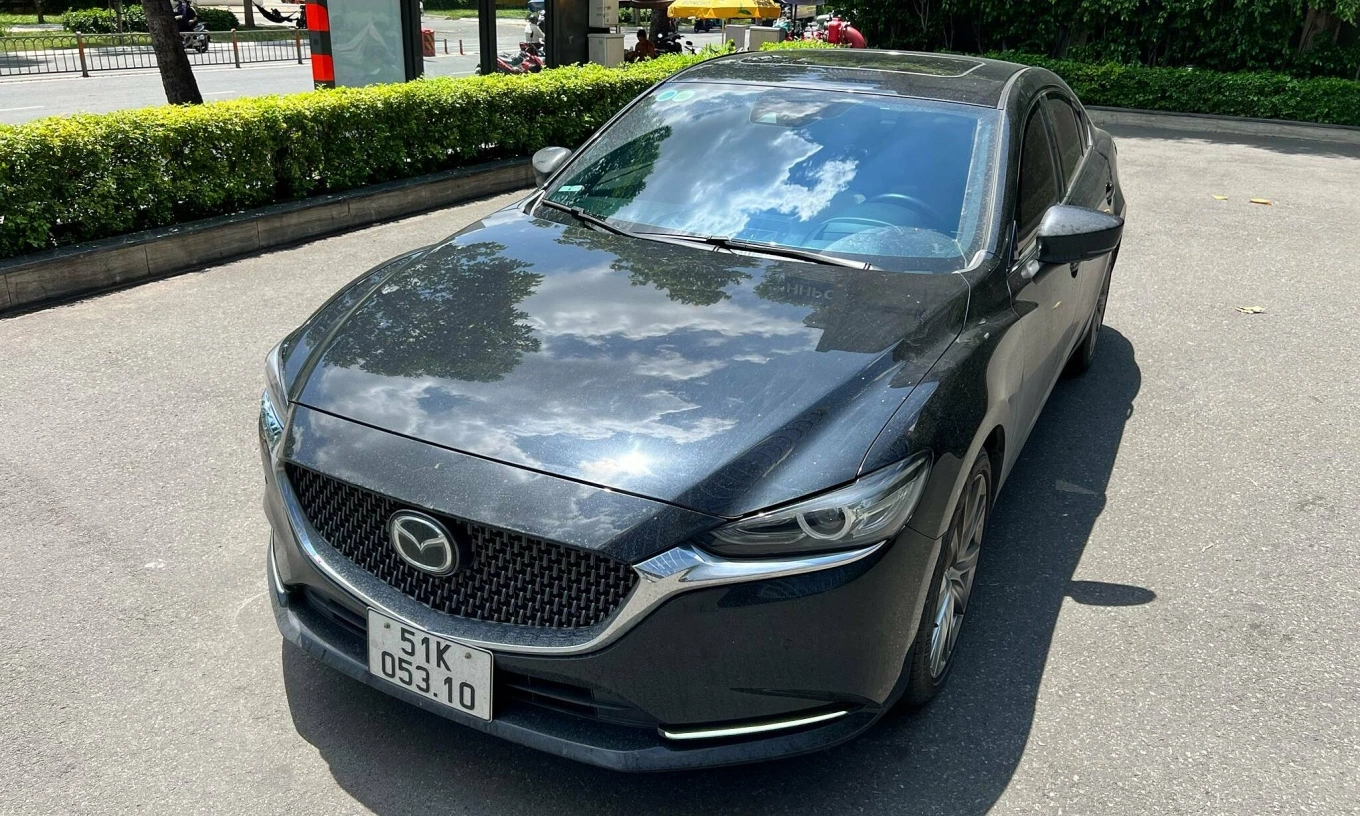 |
A Mazda6 gasoline car parked in the summer sun. *Ho Tan*
Electric vehicles do not consume fuel in the traditional sense, but they experience a reduced driving range per charge. This occurs because a portion of the energy must be used to cool the battery and electrical system, particularly when ambient temperatures rise. Consequently, users may need to charge their vehicles more frequently during summer.
Beyond the energy consumed by the cooling system, the battery itself operates less efficiently at higher temperatures. According to Battery University, elevated temperatures accelerate chemical reactions within lithium-ion batteries, leading to faster degradation and reduced energy storage capacity over time. In real-world operation, this can cause electric vehicles to experience not only a short-term reduction in driving range but also long-term battery performance decline. Some models may even automatically adjust power output or limit fast charging when battery temperatures exceed safe limits, protecting the system.
Driving performance
Gasoline cars generate heat directly from the engine, so when driving in hot conditions, especially in traffic, noticeable heat is emitted. On motorcycles, hot air can blow onto the rider's legs, while in cars, the air conditioning system must operate continuously to maintain a stable cabin temperature. However, high ambient temperatures typically do not significantly affect engine performance; vehicles can still operate stably in summer, with the primary difference being increased fuel consumption.
Conversely, electric vehicles do not generate significant heat from their motors, resulting in a more comfortable driving experience. However, heat tends to concentrate in the battery pack. When temperatures rise, the thermal management system may intervene by reducing power or limiting acceleration to protect the battery. This can make the vehicle less responsive than under normal conditions, especially in extreme situations like severe heat or when the battery is nearly depleted.
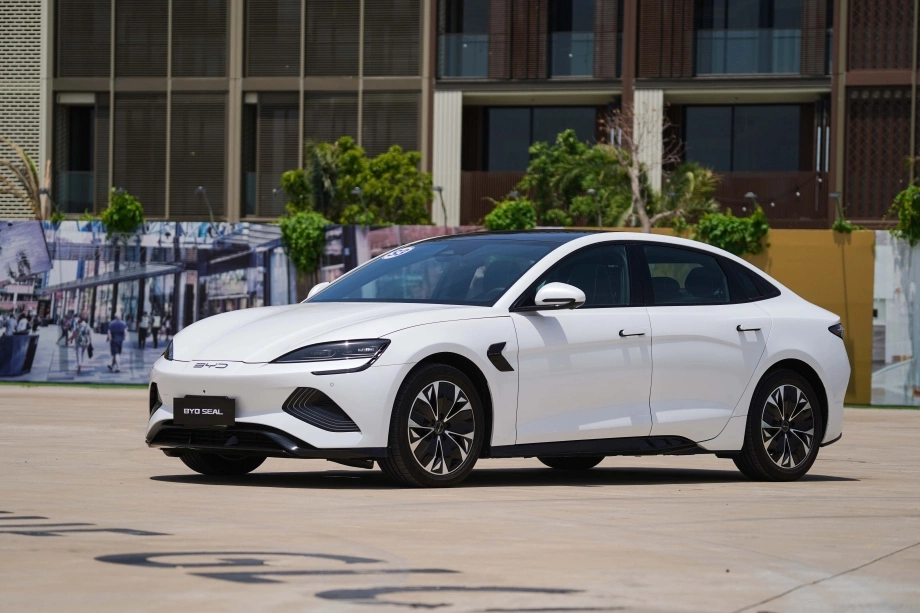 |
A BYD Seal electric vehicle in Vietnam. *Thanh Nhan*
Maintenance
For gasoline cars, users must pay attention to the cooling system, including coolant, engine oil, and operational status during traffic jams. Allowing the vehicle to operate for too long in high temperatures can increase the risk of overheating if not properly maintained. Therefore, in summer, car owners should check the coolant and replace the engine oil if necessary or when due.
Meanwhile, for electric vehicles, the most critical factor is battery temperature. Users are advised not to charge immediately after driving in the sun, avoid leaving the vehicle in high temperatures for extended periods, and limit letting the battery become too low or too full.
Overall, both gasoline and electric vehicles are affected by hot weather, but in distinct ways. While gasoline cars are primarily impacted by increased fuel consumption and cooling system demands, electric vehicles face reduced battery life and driving range. This demonstrates that no vehicle type is immune to summer weather; understanding and using the vehicle appropriately for actual conditions is crucial.
Pham Hai