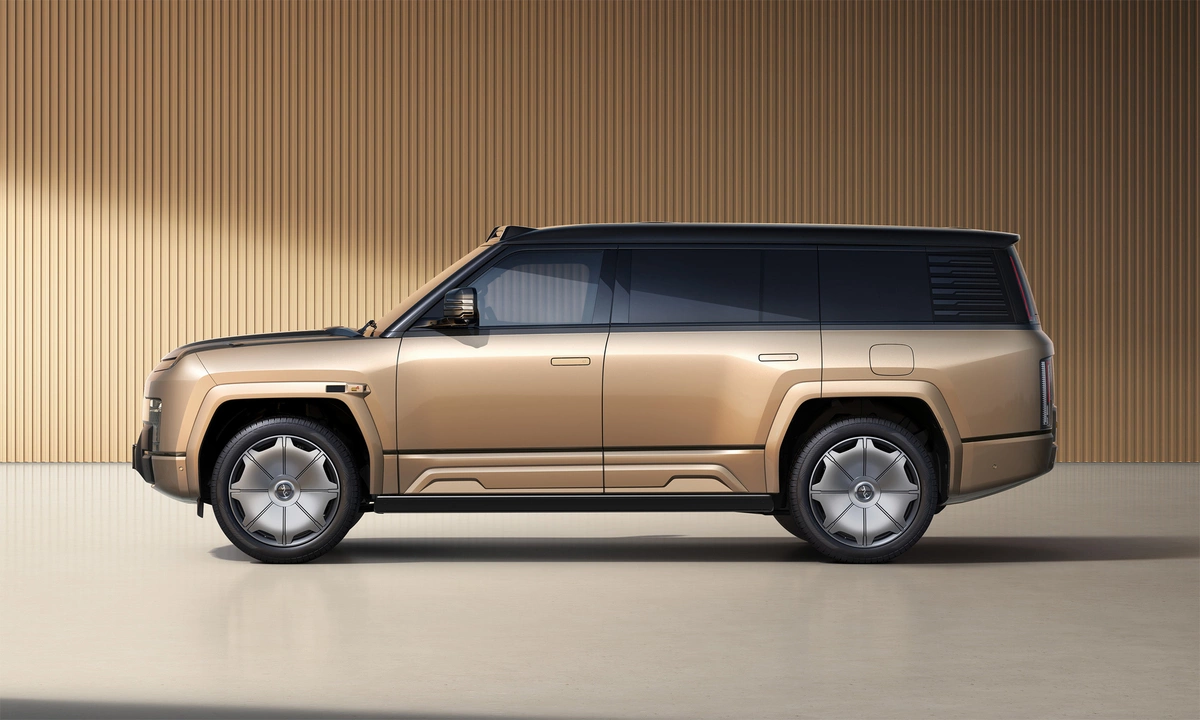
On 3/6, an Aito M9 caught fire in Taizhou city, Zhejiang province. The incident quickly spread across Chinese social media platforms, with photos and videos showing the large SUV engulfed in flames, originating from beneath the vehicle, before thick white smoke billowed out.
Firefighters arrived promptly and extinguished the blaze. Fortunately, there were no casualties. A preliminary investigation indicated that the electrical system (battery, motor, and electronic control system) was operating normally before the incident, and the fire was not due to a vehicle defect, according to the company's statement.
According to Aito – a joint venture brand between Huawei and Seres – the M9 ran over a large piece of metal that had fallen from a truck ahead. The vehicle dragged this metal for some distance, causing impact and friction that led to the fire. Video footage from a car traveling in the same direction confirmed this.
However, comments surrounding the incident revealed little concern for the well-being of those involved. Instead, two main arguments emerged: some criticized the vehicle, specifically highlighting its "electric vehicle" nature; others defended the manufacturer.
But Autohome pointed out that the incident cannot be simply described as a car fire, nor can it instill fear in all electric vehicle owners with the simple statement, "new energy vehicles are unsafe". Furthermore, the brand's response does not mean the issue is entirely resolved.
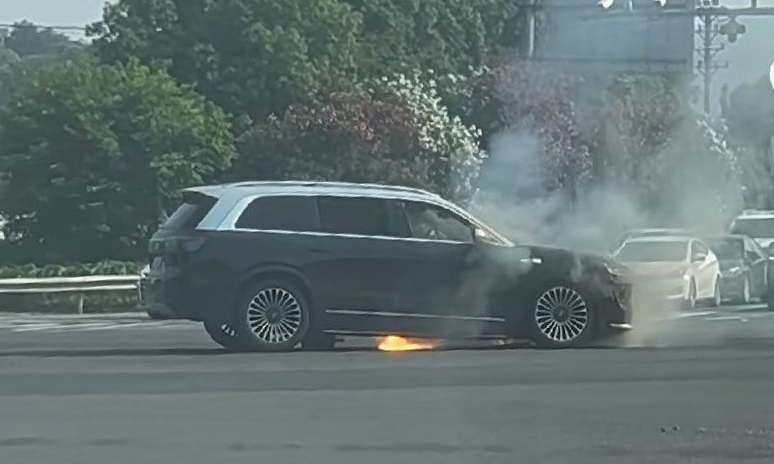 |
Fire originated from beneath the Aito M9. *Weibo*
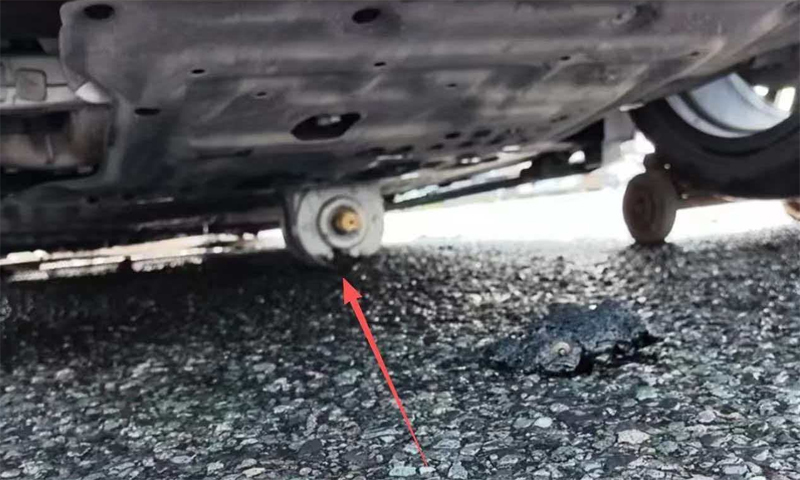 |
The vehicle ran over a piece of metal, leading to the fire. *Weibo*
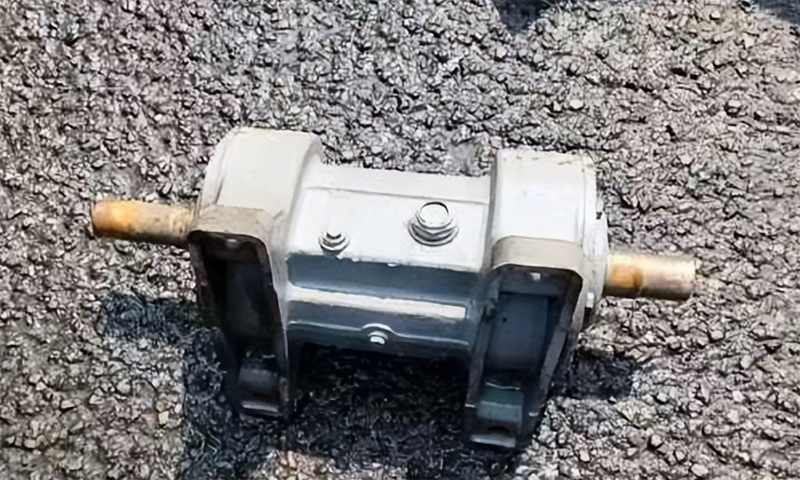 |
A piece of metal fell from the truck ahead. *Weibo*
Therefore, what the public should truly be concerned about is: what exactly was that piece of metal? Why did it fall onto the road? Was there a timely warning after the impact? How did the chassis and battery pack withstand the impact? Have final conclusions been reached by the fire department, traffic police, and third-party inspections?
Even if the vehicle itself was not at fault, the manufacturer should disclose as much testing data, the sequence of events leading to the accident, and the handling process as possible. This is because the safety of new energy vehicles is not about claiming "no issues", but about building trust through transparent investigations.
According to Autohome, what this incident truly highlights is that every accident should not be turned into a brand battle. What consumers fear most is not the accident itself, but the lack of clear explanations afterward. Their greatest fear is public opinion turning against itself before the truth is revealed.
My Anh