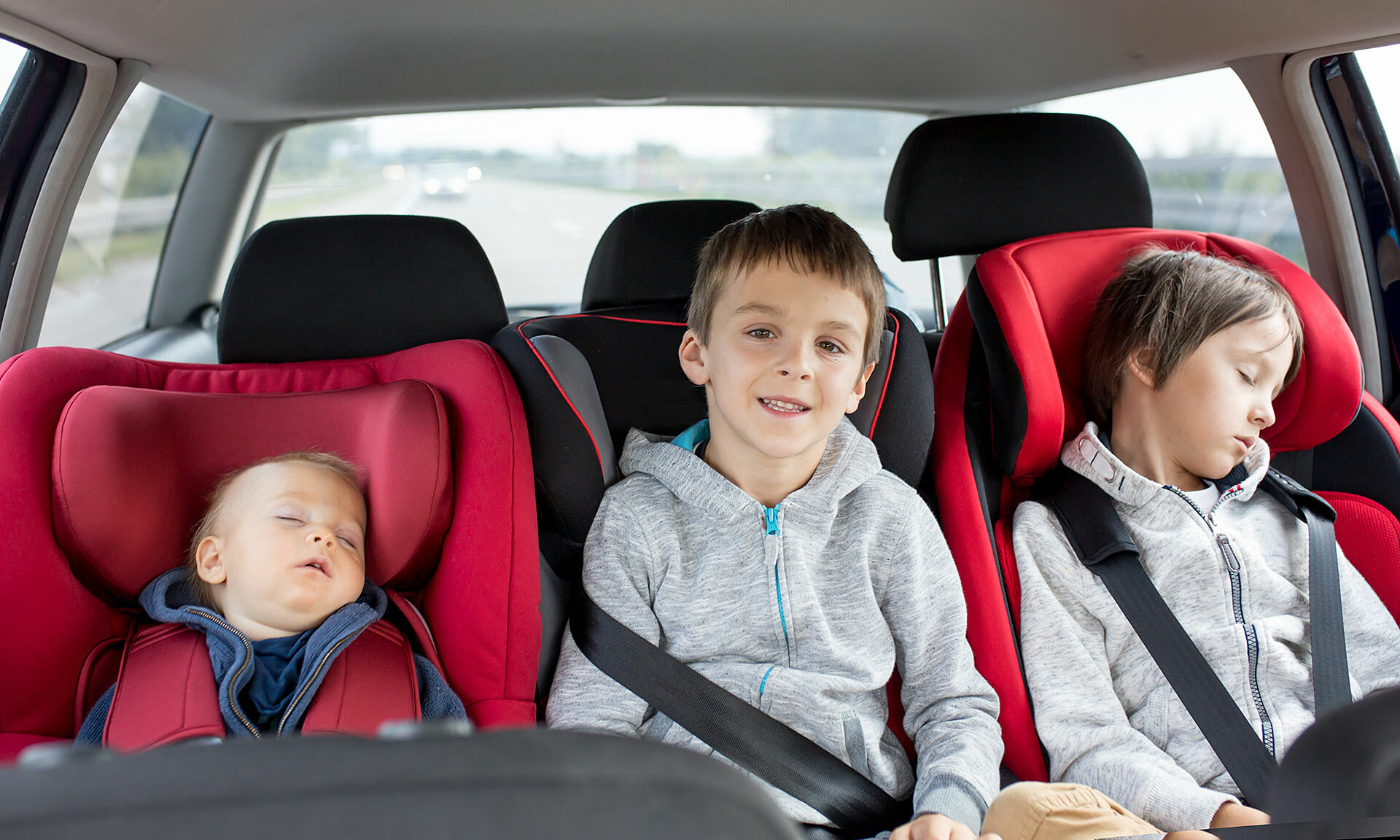
Effective 1/7, children under 10 years old and shorter than 1.35 meters are required to use appropriate safety devices when traveling in private cars. Conversely, commercial passenger transport vehicles such as taxis, contract vehicles, coaches, and buses are exempt from this requirement.
Regulations for transporting children in taxis vary significantly across countries. While traditional taxis often benefit from certain exemptions regarding child safety seats, ride-hailing services in numerous markets are held to the same safety standards as private vehicles. This disparity has prompted many ride-hailing platforms to introduce specialized services tailored for families traveling with young children.
Singapore mandates that children under 1.35 meters tall use a child seat or an appropriate safety device in cars. This regulation, however, does not extend to traditional taxis. In contrast, ride-hailing services such as Grab and Gojek must adhere to safety standards akin to those for private vehicles. Parents have the option to book a vehicle equipped with a child safety device or use their own. These specialized rides typically incur a higher fare compared to standard services.
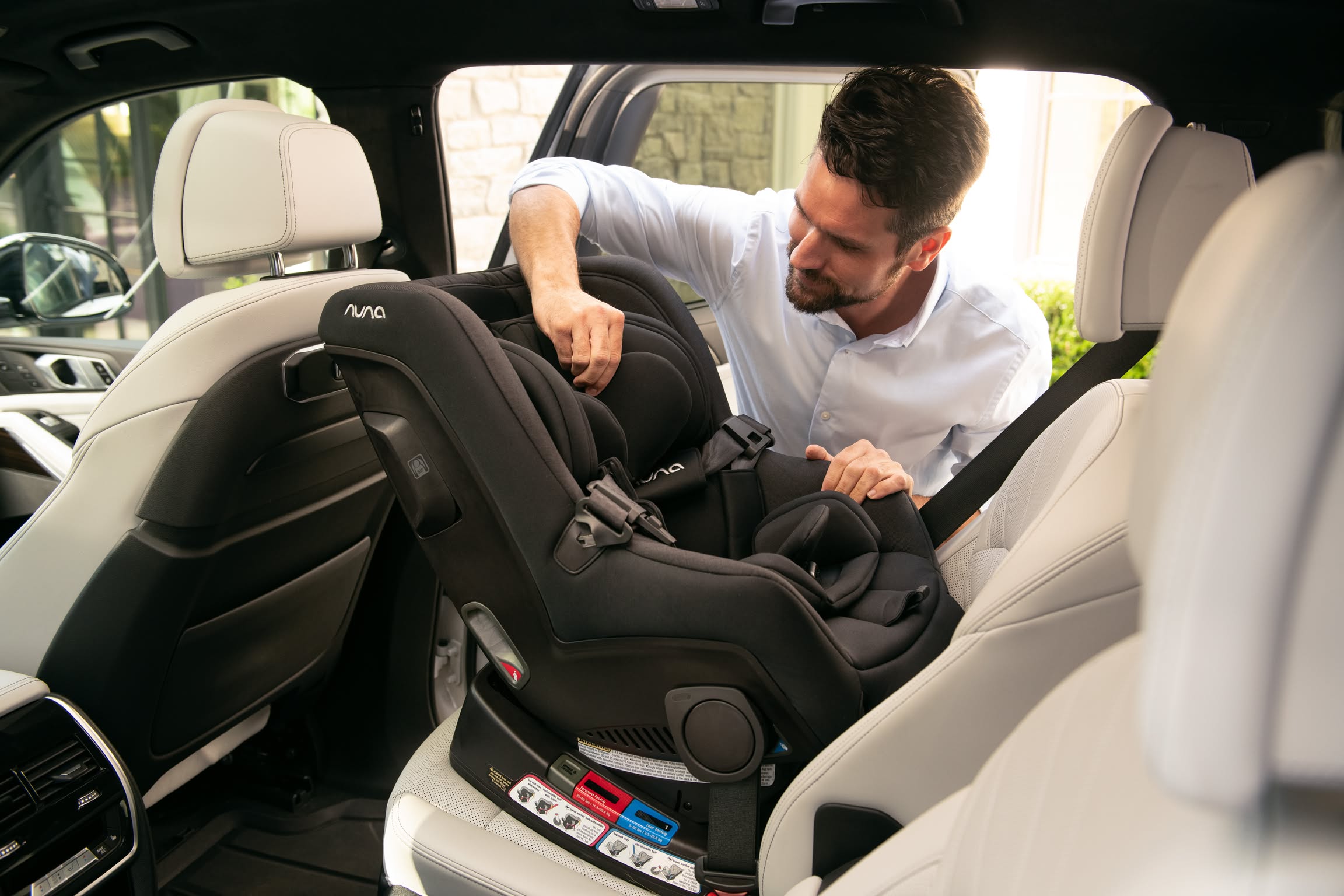 |
Uber Car Seat service in the US provides vehicles pre-equipped with child seats for families in need. Photo: Uber
Australia implements a regulatory framework largely similar to Singapore. In New South Wales, children aged one to 7 years old are permitted to sit in the back seat using a standard seatbelt if a taxi lacks a child seat. In Victoria and Queensland, infants under 12 months old may be held on an adult's lap in a taxi, subject to specific conditions. However, ride-hailing services, including Uber, may be required to meet child safety device standards equivalent to those for private vehicles. Consequently, many families opt to bring their own child seats or pre-book specialized services when traveling with young children.
In the US, child seat regulations vary by state, leading to localized differences. Despite this, young children are generally required to use appropriate safety devices when traveling in cars. To cater to families, Uber has introduced its Uber Car Seat service in several major cities, including New York. This service allows passengers to pay an additional fee for a vehicle equipped with a child seat. Beyond Uber, other transport companies specializing in family travel also offer vehicles with child seats or infant seats. Customers typically need to book these services in advance to ensure the operator can provide the correct seat for the child's age.
Traffic experts attribute the differing regulations between traditional and ride-hailing taxis to their distinct operational models. Traditional taxis primarily handle spontaneous trips, making it challenging for drivers to anticipate a child's age and prepare the correct safety seat. In contrast, ride-hailing services operate through advance bookings via an application, which allows companies to ascertain customer travel needs beforehand. This capability enables them to offer specific options for passengers traveling with young children and dispatch suitably equipped vehicles. Consequently, many countries impose stricter child safety device requirements on ride-hailing services while maintaining exceptions for traditional taxis.
By Ho Tan