GAC-Toyota, a joint venture, launched its new large electric sedan, the bZ7, on 29/3. This model, available in five different configurations, entered the market with competitive pricing of 147,800-199,800 yuan (21,400-28,900 USD). The bZ7 quickly garnered significant attention, receiving 3,100 orders within its first hour of availability. The vehicle began pre-sales in early March, following its initial reveal at the 2025 Shanghai Auto Show, and the manufacturer announced that the product is now available for immediate delivery.
The bZ7 offers impressive range and substantial dimensions. Its variants provide CLTC ranges of 600 km, 700 km, and 710 km. Measuring 5,130 mm in length, 1,965 mm in width, and 1,506 mm in height, with a 3,020 mm wheelbase, the bZ7 comes standard with 20-inch wheels and is available in seven exterior colors.
The bZ7 showcases GAC-Toyota's distinctive family design language. Its front fascia features a horizontal LED light strip and C-shaped daytime running lights, complemented by sharp headlights and a wide lower grille. A fastback coupe style, from the C-pillar rearward, is accentuated by semi-hidden door handles. The rear of the vehicle integrates LED taillights, mirroring the front design.
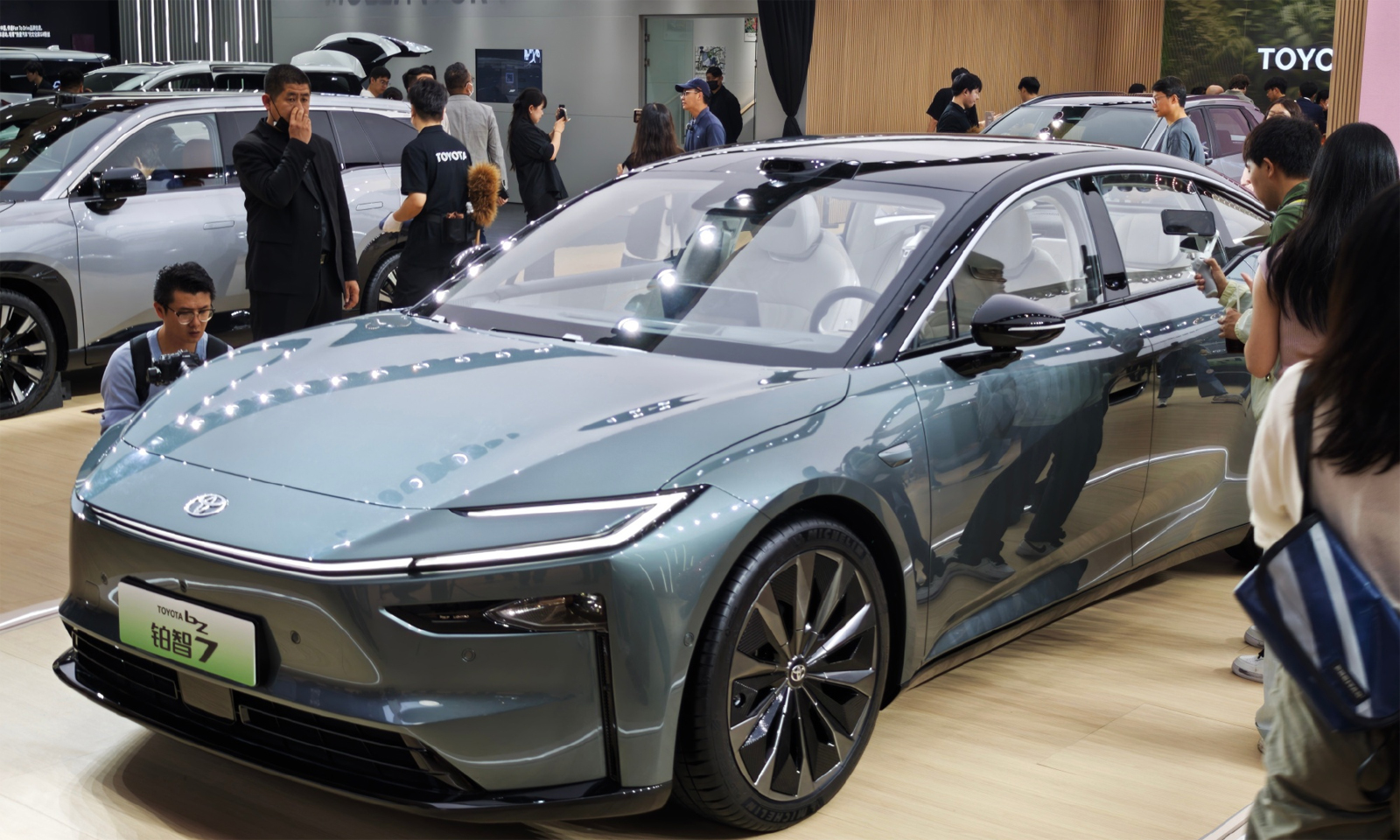 |
A horizontal LED light strip and C-shaped daytime running lights, combined with sharp headlights and a wide lower grille.
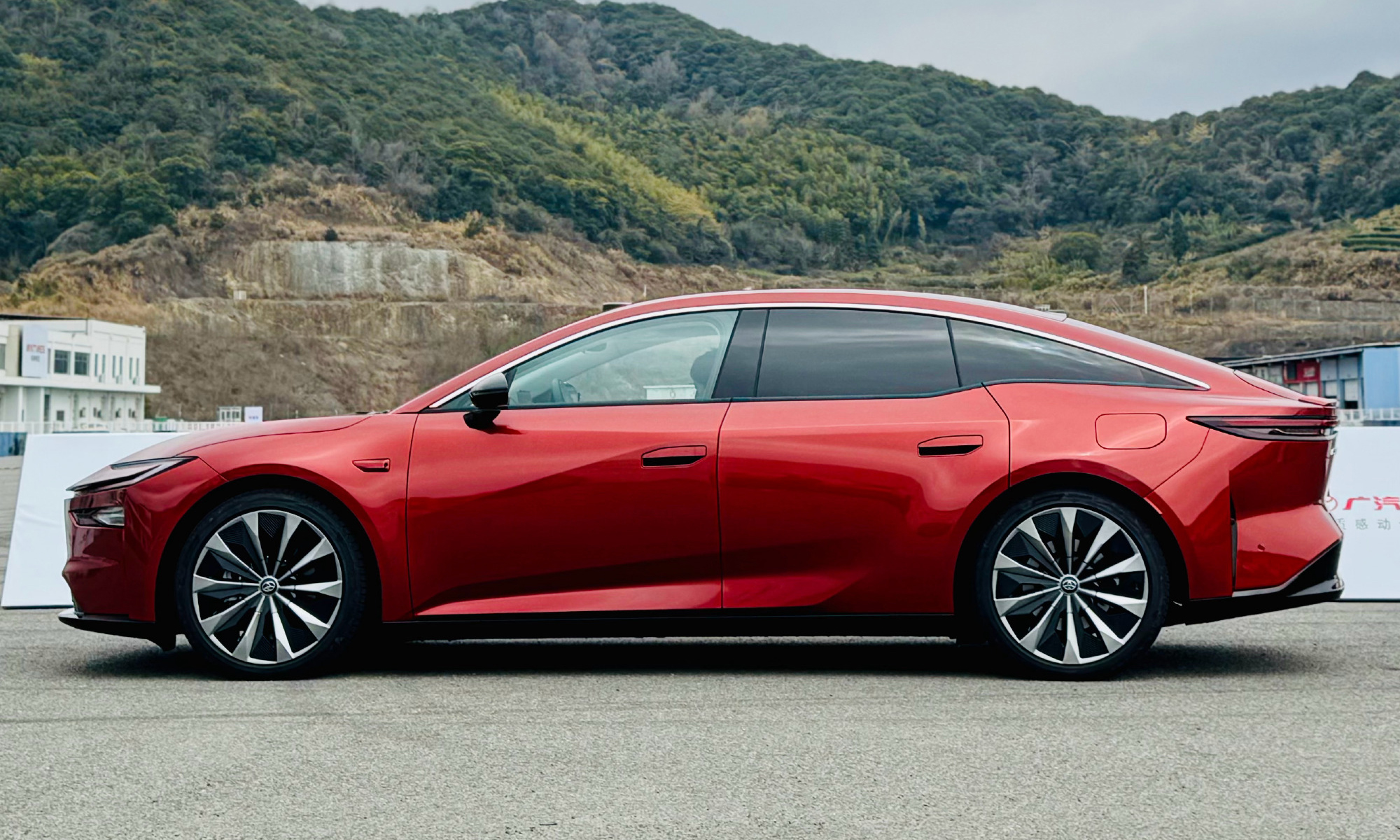 |
The car measures 5,130 mm long, 1,965 mm wide, and 1,506 mm high, with a 3,020 mm wheelbase.
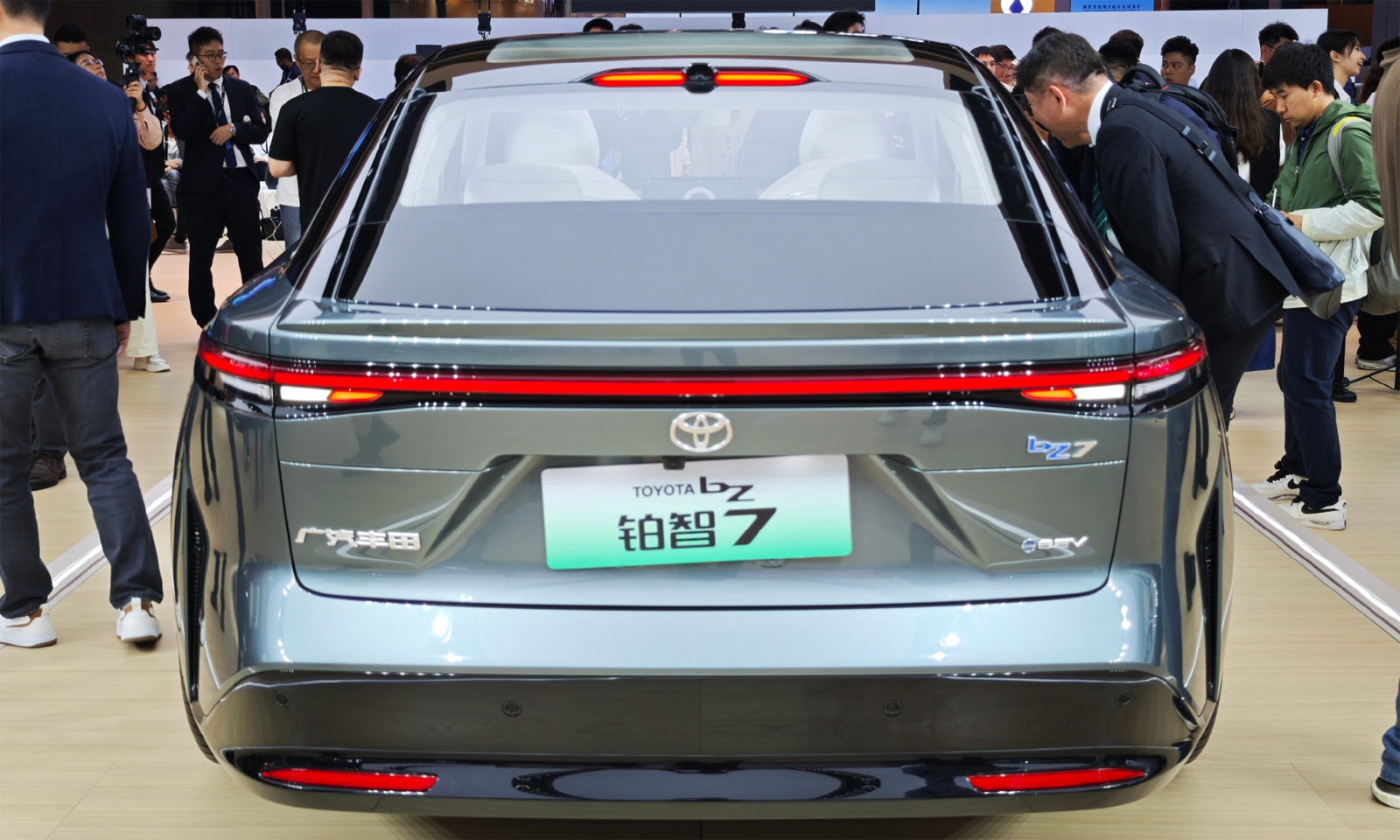 |
The rear of the vehicle integrates LED taillights, mirroring the front design.
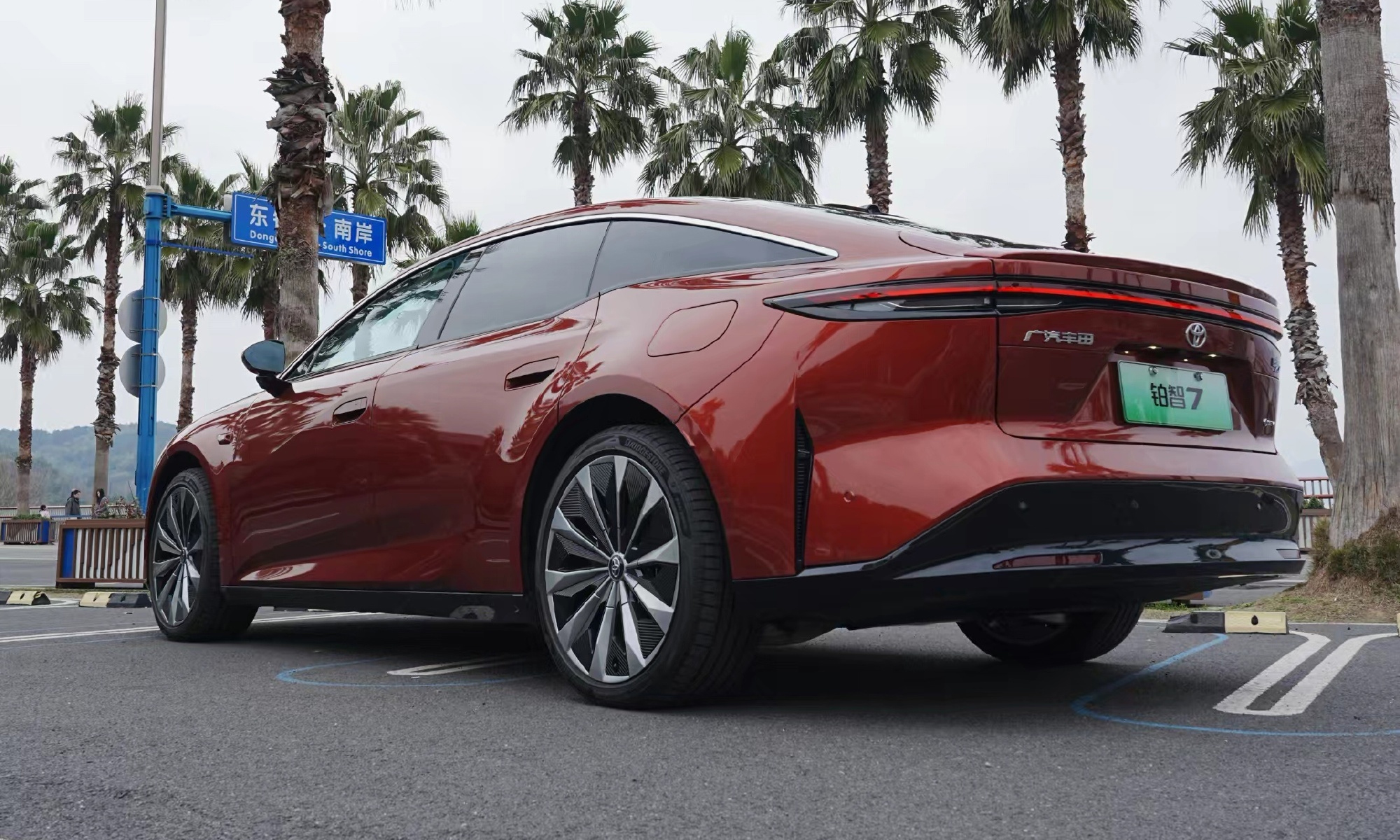 |
The fastback coupe style from the C-pillar rearward is accentuated by semi-hidden door handles.
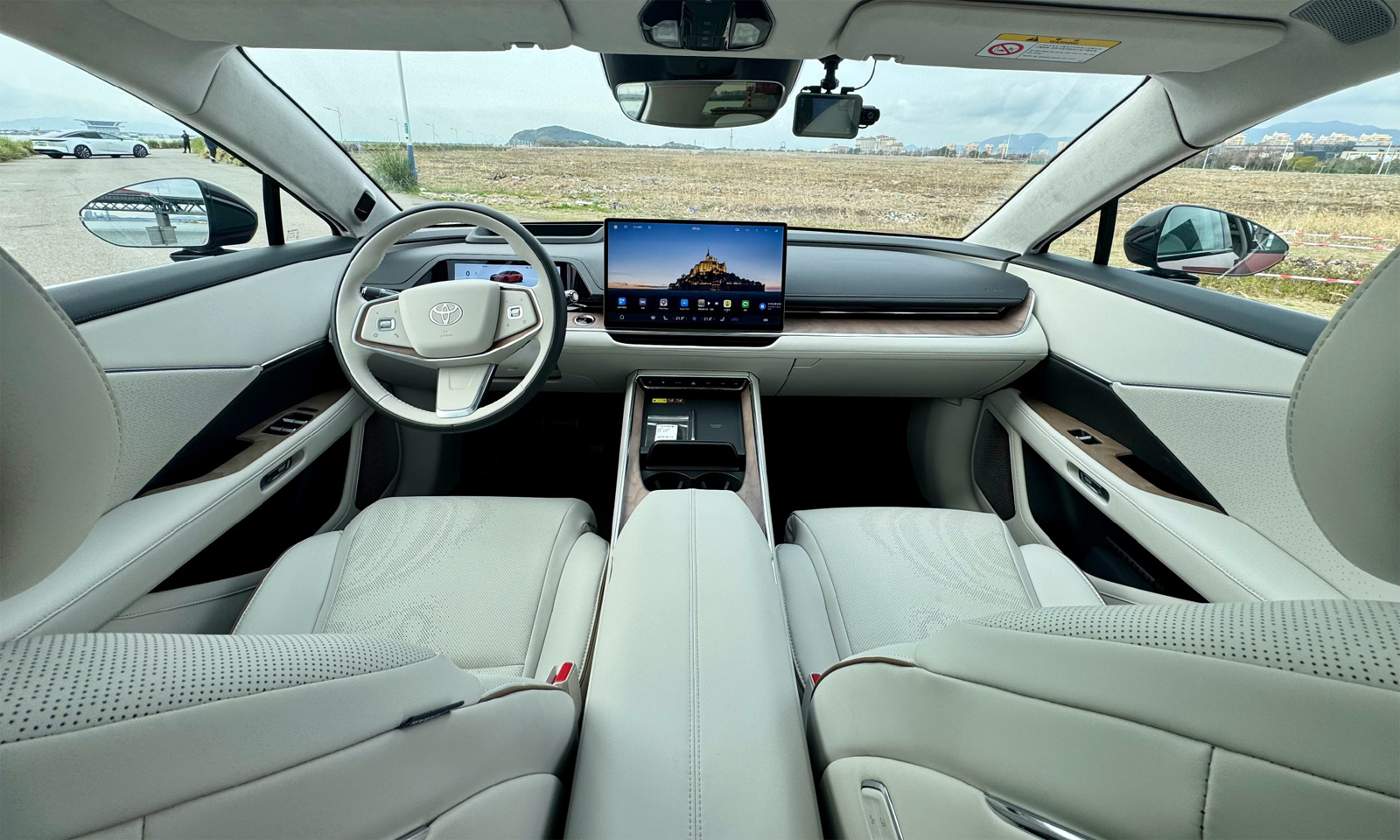 |
The intelligent Huawei HarmonyOS 5.0 operating system is compatible with Apple CarPlay and features a smart voice control system.
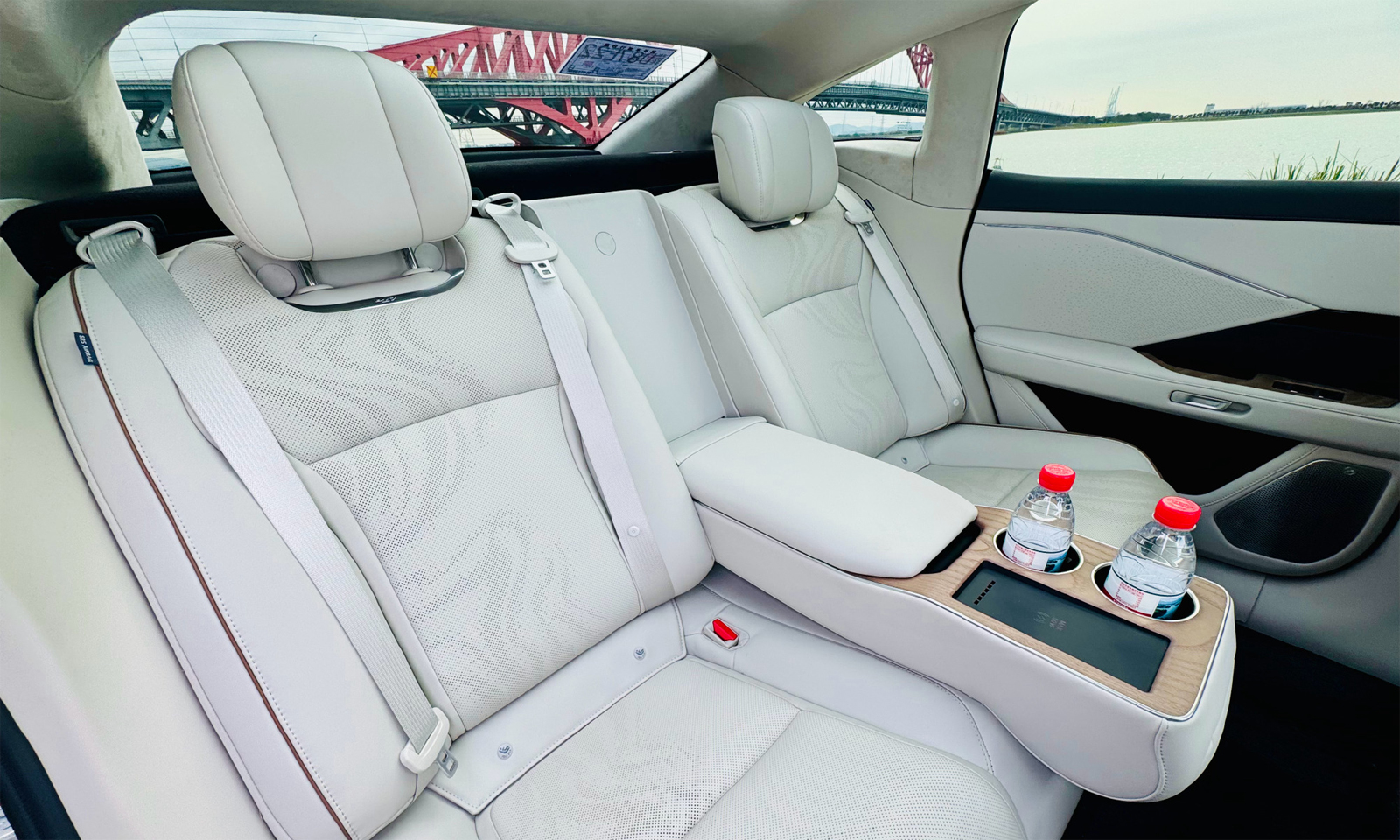 |
Both front and rear seats offer ventilation, heating, and massage functions, with the front seats featuring a zero-gravity design.
Inside the cabin, the bZ7 prioritizes comfort and advanced technology. Both front and rear seats offer ventilation, heating, and massage functions, with the front seats featuring a zero-gravity design for enhanced comfort.
The vehicle's infotainment system is powered by the intelligent Huawei HarmonyOS 5.0 operating system. Compatible with Apple CarPlay, it features a smart voice control system supported by Huawei's large MoLA chip. This system enables four-zone recognition, continuous dialogue, and simultaneous multi-command execution, while retaining essential physical buttons for user convenience.
The bZ7 also integrates deeply with the Xiaomi ecosystem. It includes the Mi Home app for the vehicle system, with future plans for magnetic Bluetooth physical buttons from Xiaomi. The car is equipped with a Huawei StarFlash smart key.
For intelligent driving assistance, the bZ7 incorporates the advanced Momenta R6 driving assistance system. The LiDAR-equipped version includes a comprehensive sensor suite, including: one LiDAR, five millimeter-wave radars, 11 high-definition cameras, and 10 ultrasonic radars (a total of 27 sensors for the LiDAR version). This system supports highway noa driving mode, urban navigation assistance, and all-scenario parking functions, all without additional subscription fees.
To ensure robust performance, the bZ7 utilizes Huawei's versatile Drive ONE electric drive solution, delivering a maximum output of 278 horsepower and 97.5% efficiency. The vehicle is powered by LFP batteries available in two capacities: 71.35 kWh and 88.13 kWh. These configurations provide a CLTC range of up to 710 km. The car supports 3C fast charging, capable of adding 300 km of range in 10 minutes, and also features a 6.6 kW external power discharge function.
The chassis features a two-chamber air suspension package with sdc shock absorbers and a pre-scan system that actively scans the road ahead to adjust the front suspension status, enhancing ride comfort and handling.
In the Chinese market, the bZ7 serves as a flagship electric sedan, aiming to help Toyota regain market share in the premium new energy vehicle (NEV) segment. This strategic product reflects Toyota's shift from a traditional automaker to deeply integrating Chinese domestic technologies, allowing it to directly compete with rivals like the BYD Han and Xiaomi SU7.
My Anh (according to CarNewsChina)