Toyota is preparing for an unusual move, reportedly planning to import cars from the US to Japan starting in 2026. This decision appears to be, at least in part, a response to pressure from the Donald Trump administration, which has long expressed concerns about the US trade deficit with Japan. However, Toyota is framing this move as a way to offer more options to Japanese buyers.
Toyota is not alone in this consideration; other major Japanese automakers, including Honda and Nissan, are reportedly reviewing similar strategies.
According to Nikkei Asia, initial imports may include the US's top-selling sedan, the Camry. Other popular models like the highlander suv and tundra full-size pickup could follow. None of these models are currently available in Toyota's domestic market.
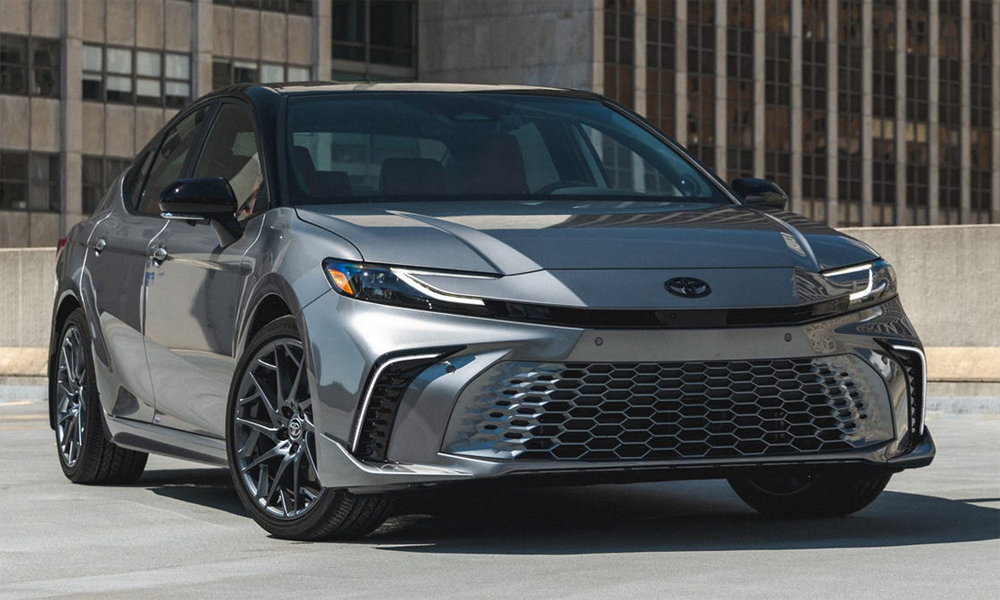 |
Toyota Camry in the US, with a 2.5 HEV engine. *Photo: Toyota* |
The financial viability of this plan remains uncertain, however, due to higher production and shipping costs associated with labor and transportation in North America.
President Donald Trump has repeatedly criticized the trade imbalance between the US and Japan, often citing unfair trade barriers that limit the success of US-made vehicles abroad. This perspective often overlooks distinct consumer preferences: full-size pickups and suvs dominate in the US, whereas Japan favors compact urban vehicles and kei cars. For his part, Toyota Chairman, Akio Toyoda, has expressed interest in exploring the possibility of importing US-made cars into Japan.
Nikkei also reported that Honda is considering a similar move, with potential imports including the ridgeline pickup, pilot suv, and certain Acura electric vehicles made in the US. Honda has pursued this path before, albeit on a limited scale, with the FCX and FCX Clarity hydrogen-powered vehicles, both sold in Japan in very small numbers.
Nissan may follow suit with models like the murano and pathfinder suvs, neither of which are currently available in the company's domestic market.
A key factor in this plan is a regulatory change, part of a recent trade agreement between Japan and the US. Japan's Ministry of Land, Infrastructure, Transport and Tourism is exploring a new certification process that would allow US-made vehicles approval solely through document review, rather than requiring additional domestic testing. If implemented, these new regulations could take effect as early as 2026, significantly lowering barriers for US-made models to enter the Japanese market.
The Trump administration also stated that Toyota agreed to open its dealership network in Japan to American brands like Ford and General Motors. However, whether this development leads to significant changes will depend on how those companies approach this opportunity.
My Anh