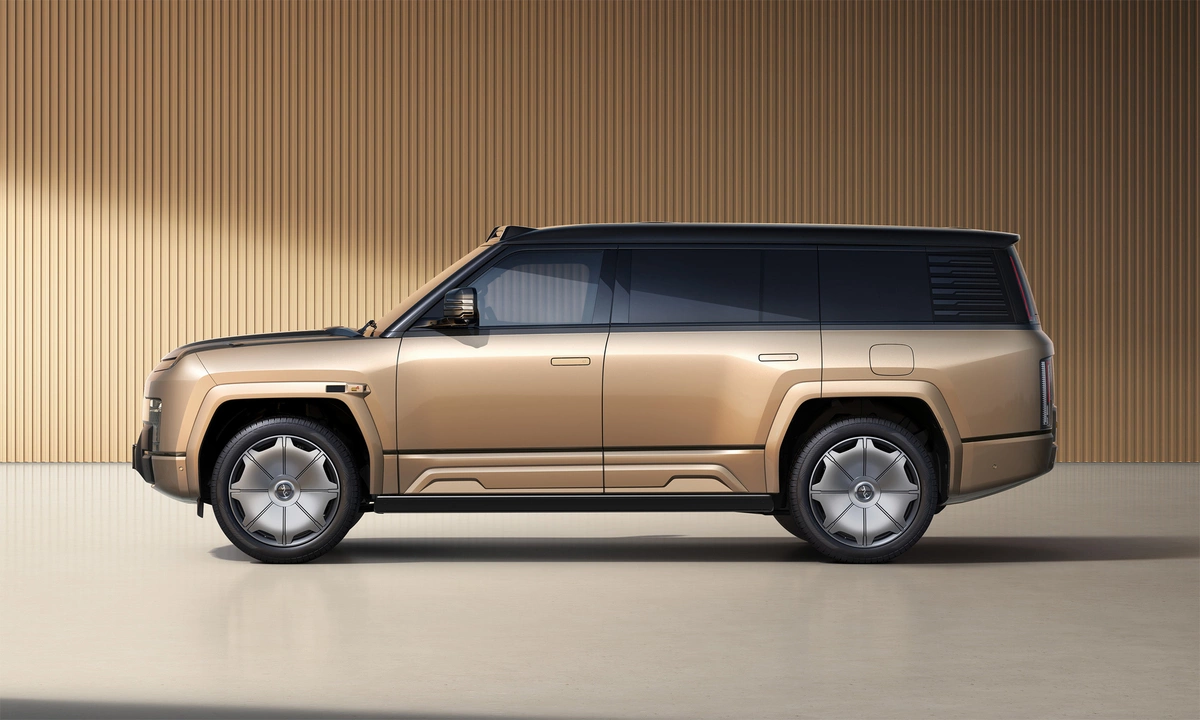
The US automotive market is known for its preference for large vehicles, with most top-selling models being SUVs and pickup trucks. Following this trend, manufacturers gradually phased out sedans. However, the current landscape suggests a potential shift, and the sedan segment appears to be making a comeback.
Data from Cox Automotive reveals that small cars have an average price of around 27,590 USD, while small SUVs cost 37,514 USD. The price gap widens significantly in the midsize segment, with midsize sedans averaging 34,069 USD compared to over 50,000 USD for midsize SUVs.
Edmunds data from the first quarter of this year also indicates that small and midsize sedans accounted for 14% of total vehicle sales.
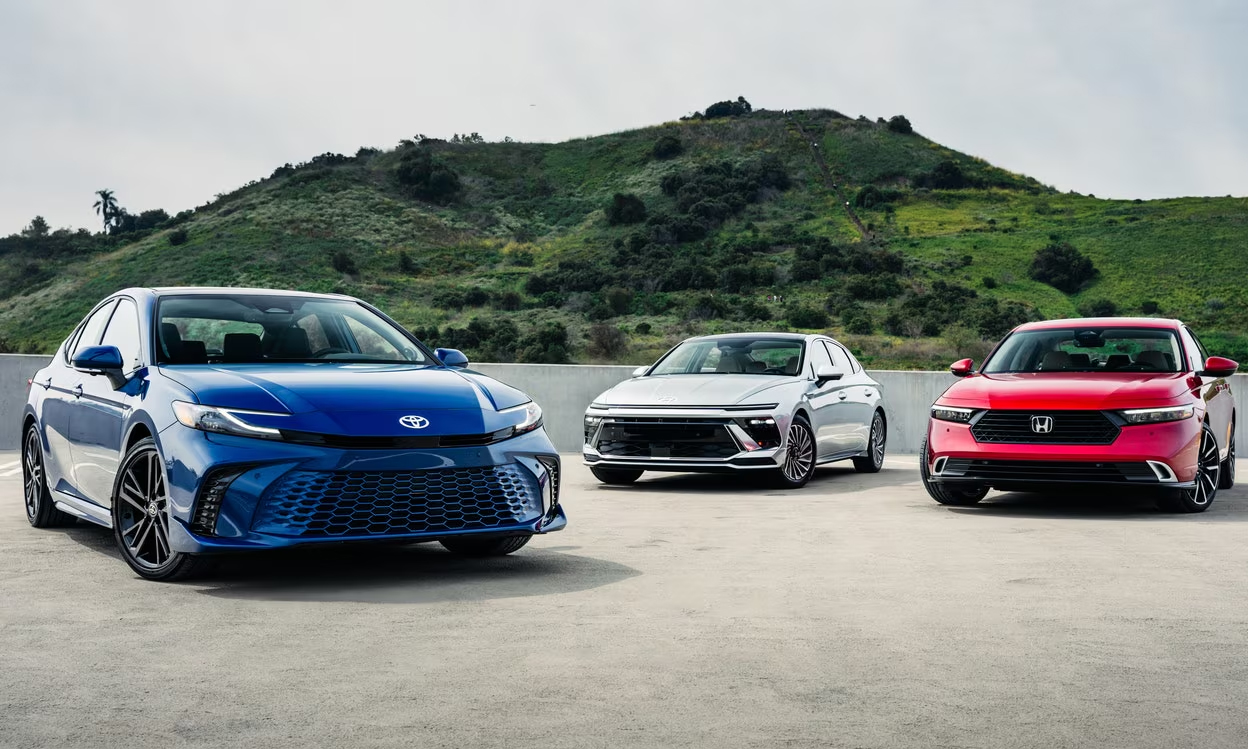 |
Toyota Camry (left), Hyundai Sonata (center), and Honda Accord are sedan models sold in the US. *Edmunds*
Amid energy concerns, fuel economy remains a crucial factor. Sedans often benefit from better aerodynamics and lighter weight compared to larger utility vehicles. Reports suggest that gasoline-powered sedans generally offer better average fuel efficiency than larger gasoline-powered SUVs.
A comprehensive 2025 automotive market study for teenagers by Escalent, published in 2/2026, surveyed over 1,000 teenagers aged 14-19. The results showed that 51% reported intending to drive a sedan in the future, 31% chose an SUV, and 14% selected a pickup truck.
A familiar pattern is emerging. The current prevalence of SUVs represents a rejection of the sedans and minivans that Generation X grew up with. Each generation often desires the opposite of what appeared in their family garage. For teenagers who grew up with crossovers and SUVs, these vehicles are now starting to drift from the "outdated" aesthetic of their parents' generation.
Karl Brauer of iSeeCars describes consumers and designers experiencing "SUV fatigue", while Stellantis design director, Ralph Gilles, admitted earlier this year that even he had grown tired of SUVs. Automakers appear to be listening.
Jim Farley has repeatedly hinted at the possibility of Ford launching future sedan models. Reports suggest General Motors may be considering another Buick sedan. Honda recently unveiled a hybrid sedan prototype. Even Mitsubishi is reportedly reconsidering its strategy. Nissan's Infiniti brand is also preparing to re-enter this segment with a new Q50S sports sedan expected to launch in 2027.
Beyond initial cost benefits and fuel economy, sedans offer another advantage.
With so many automakers having exited the sedan segment, it could almost be considered a void, meaning new or returning players could make a significant impact, according to Aaron Bragman, Detroit bureau chief for Cars.com, speaking to the *Detroit Free Press*.
"Veteran brands still present, like Toyota, Honda, Hyundai, and Kia, and others such as Mazda, Nissan, Ford, Chevrolet, and Chrysler, would all make a splash if they returned to this segment," Bragman stated.
Sedans are not just more affordable and fuel-efficient; they also provide a better driving experience. A lower center of gravity, less body roll, and more direct feedback help drivers feel more connected to the road compared to taller crossovers and pickup trucks. This sentiment extends beyond car enthusiasts. While crossovers simplify driving, sedans can subtly enhance the joy of driving.
My Anh