The Green Industries Summit 2026, co-organized by the Nordic Business Association in Vietnam (NordCham) and the Vietnam Chamber of Commerce and Industry (VCCI), took place in Ho Chi Minh City on 10/9. Under the theme "Building Vietnam's green industry 4.0", the conference gathered over 200 business leaders, policymakers, and Nordic experts to discuss solutions for accelerating green transition in industry.
At the event, Peter Wachenschwanz, senior director of integrated supply chain at Carlsberg Vietnam, presented on "Innovations shaping the future of green industry" and participated in a discussion session titled "Building a green energy ecosystem in Vietnam".
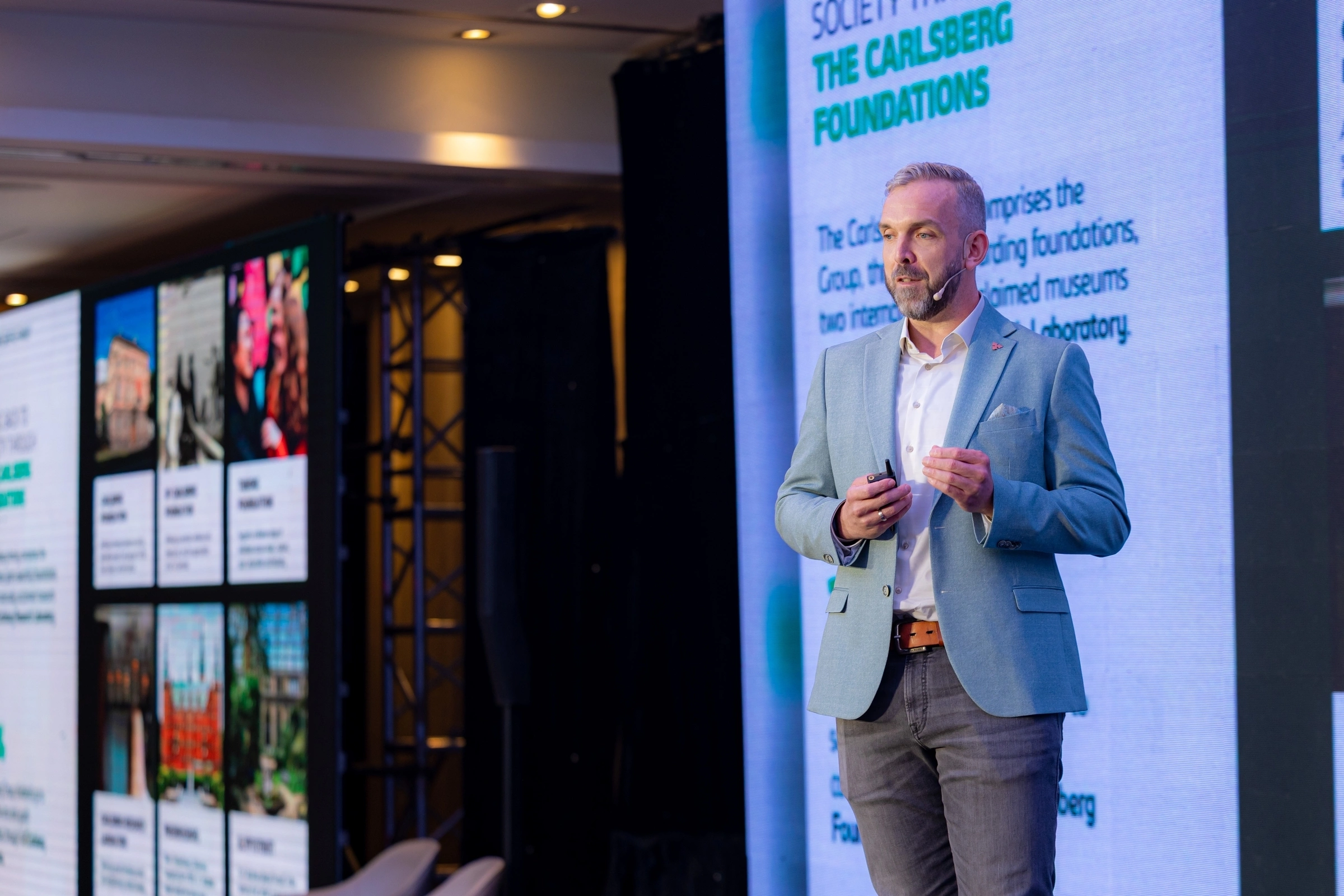 |
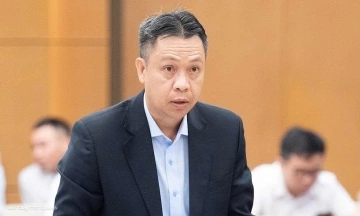
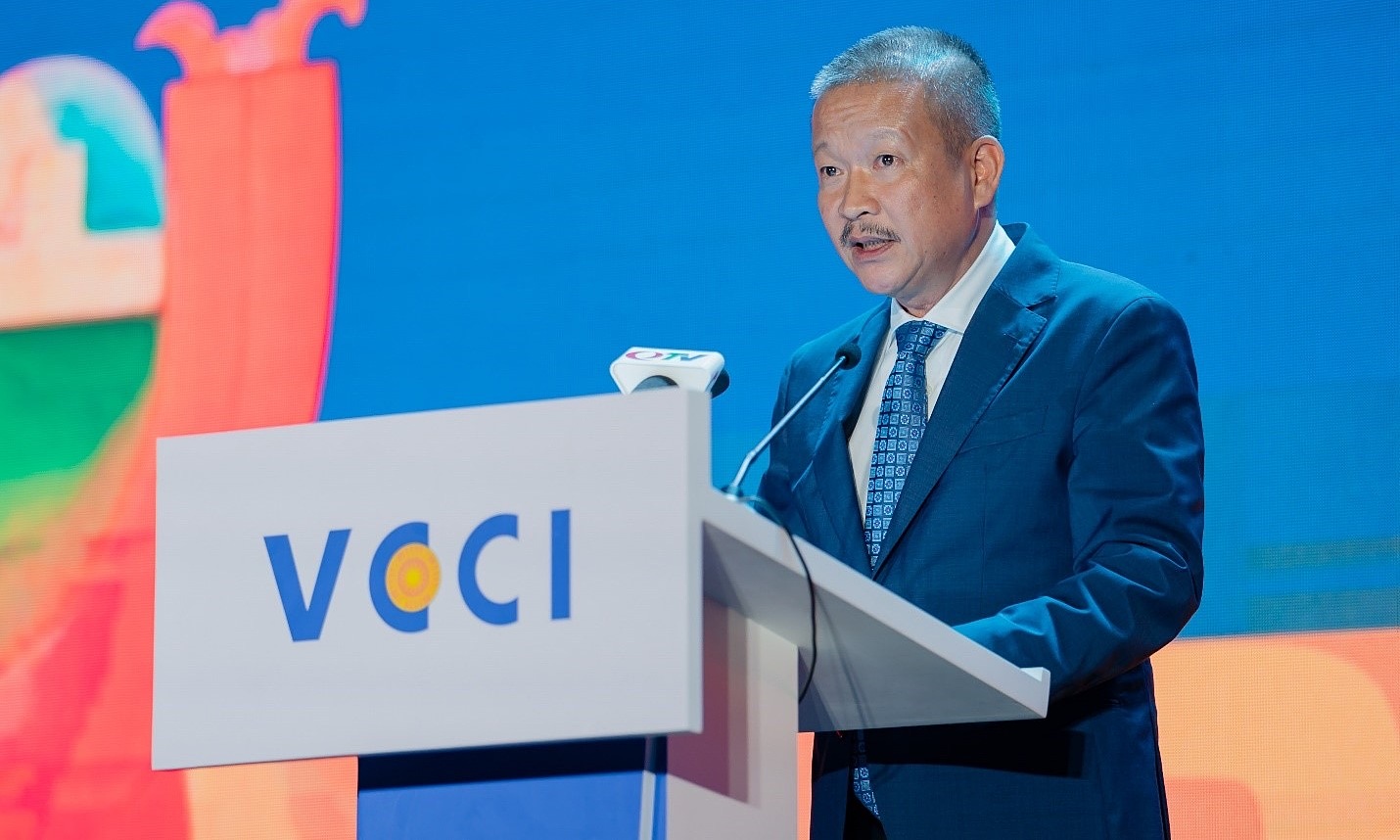
Peter Wachenschwanz, senior director of integrated supply chain at Carlsberg Vietnam, shares insights at the Green Industries Summit 2026. Photo: Carlsberg Vietnam |
Peter Wachenschwanz, senior director of integrated supply chain at Carlsberg Vietnam, shares insights at the Green Industries Summit 2026. Photo: Carlsberg Vietnam
He shared how the company expands production capacity while simultaneously reducing resource consumption per unit of product.
"Green transition starts with internal factory operations – using less water, less energy, and fewer raw materials for each product unit. However, to advance further, this journey must extend beyond the factory gates," Peter stated.
The content shared by Carlsberg Vietnam at the conference is part of Brewing Tomorrow, the group's long-term sustainability program. Through this initiative, Carlsberg aims to reduce operational emissions by 90% and use 100% electricity from new renewable sources by 2032, striving for net zero emissions across its entire value chain by 2040.
One example highlighted is the Phu Bai brewery in Hue. Following an expansion project, it has become Carlsberg's largest brewery in Asia. The facility currently uses approximately 2,1 hectoliters of water per 1 hectoliter of finished beer, placing it among Carlsberg's most water-efficient breweries in the region. Carbon dioxide generated during the fermentation process is also recovered and reused.
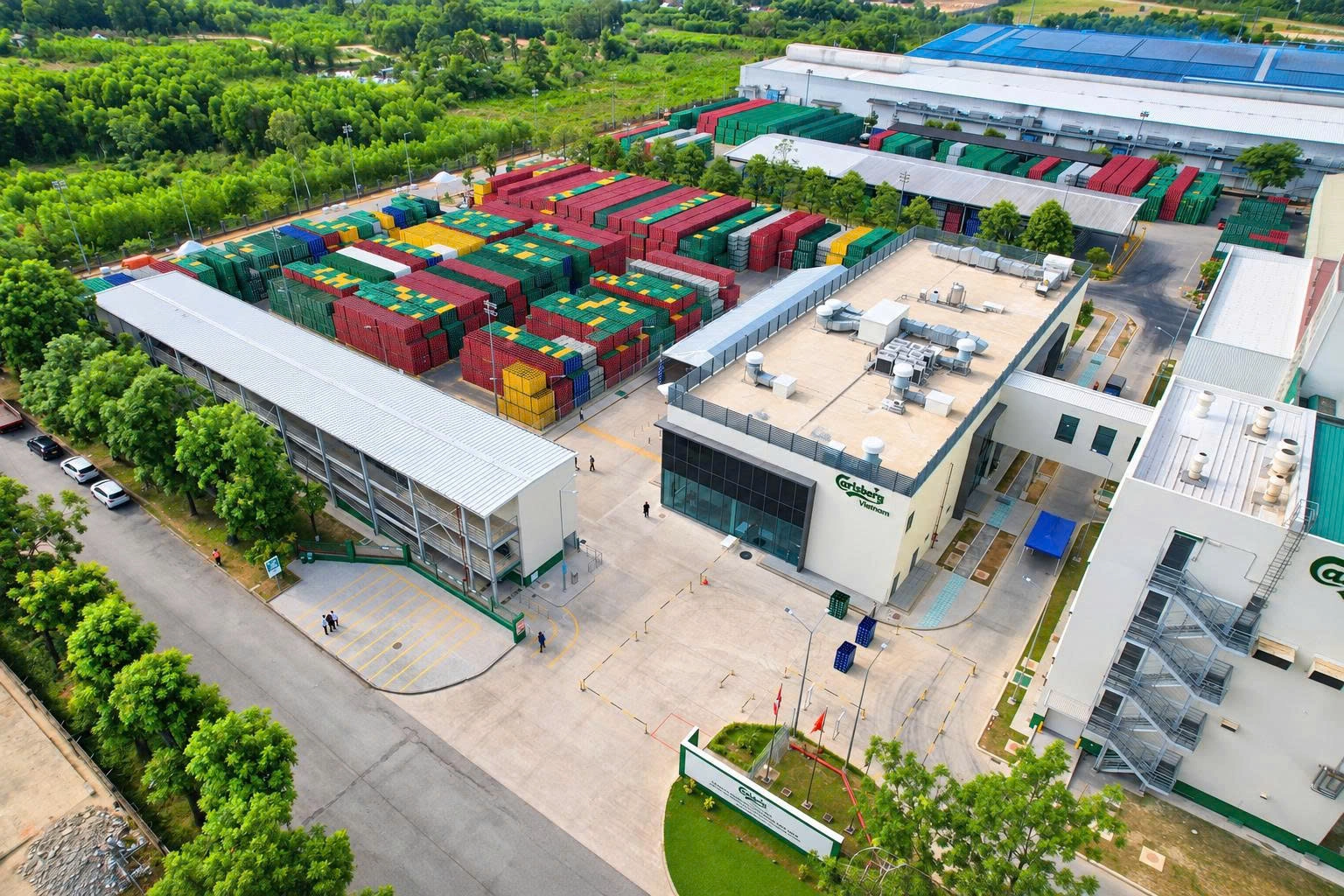 |
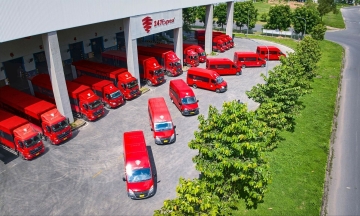
The Phu Bai brewery became Carlsberg's largest brewery in Asia after its expansion project. Photo: Carlsberg Vietnam |
The Phu Bai brewery became Carlsberg's largest brewery in Asia after its expansion project. Photo: Carlsberg Vietnam
Since early 2026, Carlsberg Vietnam has achieved its zero waste to landfill goal. The company reduces waste at its source, sorts it on-site, and integrates recyclable materials into recycling cycles. Remaining waste is processed through energy conversion solutions, while sludge from the wastewater treatment system is reused for fertilizer production.
In energy use, the company combines high-efficiency brewing technology, heat recovery, and steam from biomass. Carlsberg Vietnam has also used I-REC certified electricity since 2022 and will deploy rooftop solar power from QIII/2026, expected to meet up to 10% of the Phu Bai brewery's electricity demand. The company plans to pursue a direct power purchase agreement (dppa) mechanism from 2028.
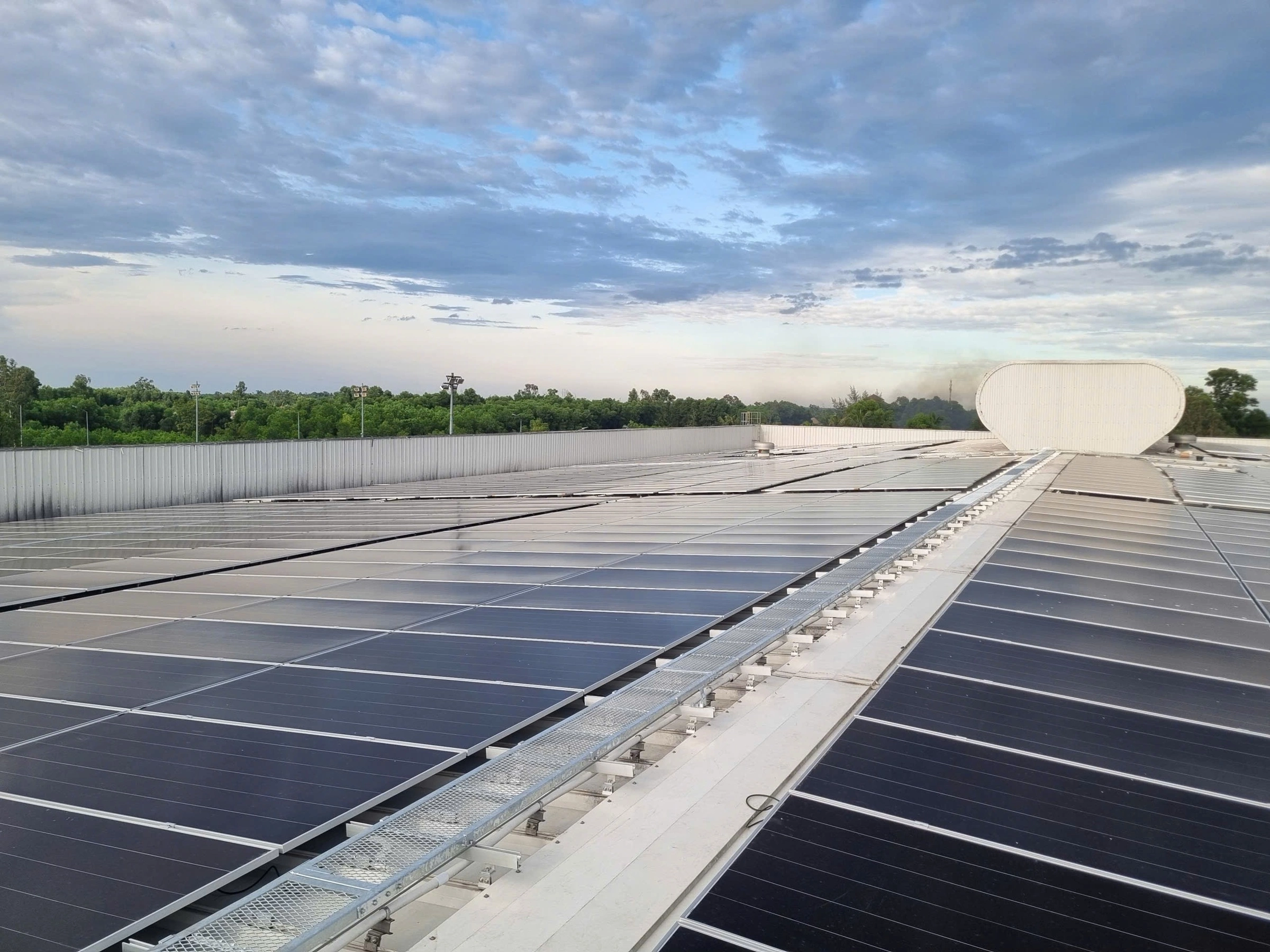 |
The rooftop solar power project is expected to meet up to 10% of the Phu Bai brewery's electricity demand. Photo: Carlsberg Vietnam |
The rooftop solar power project is expected to meet up to 10% of the Phu Bai brewery's electricity demand. Photo: Carlsberg Vietnam
Carlsberg Vietnam's approach to resource efficiency was also discussed at a workshop on circular economy and reducing food loss and waste, held in Ha Noi on 19/8.
According to the company, applying technology, yeast recovery systems, and real-time process control has resulted in an ingredient utilization efficiency of approximately 97,4%. By-products from production are also continuously utilized for reuse and value addition.
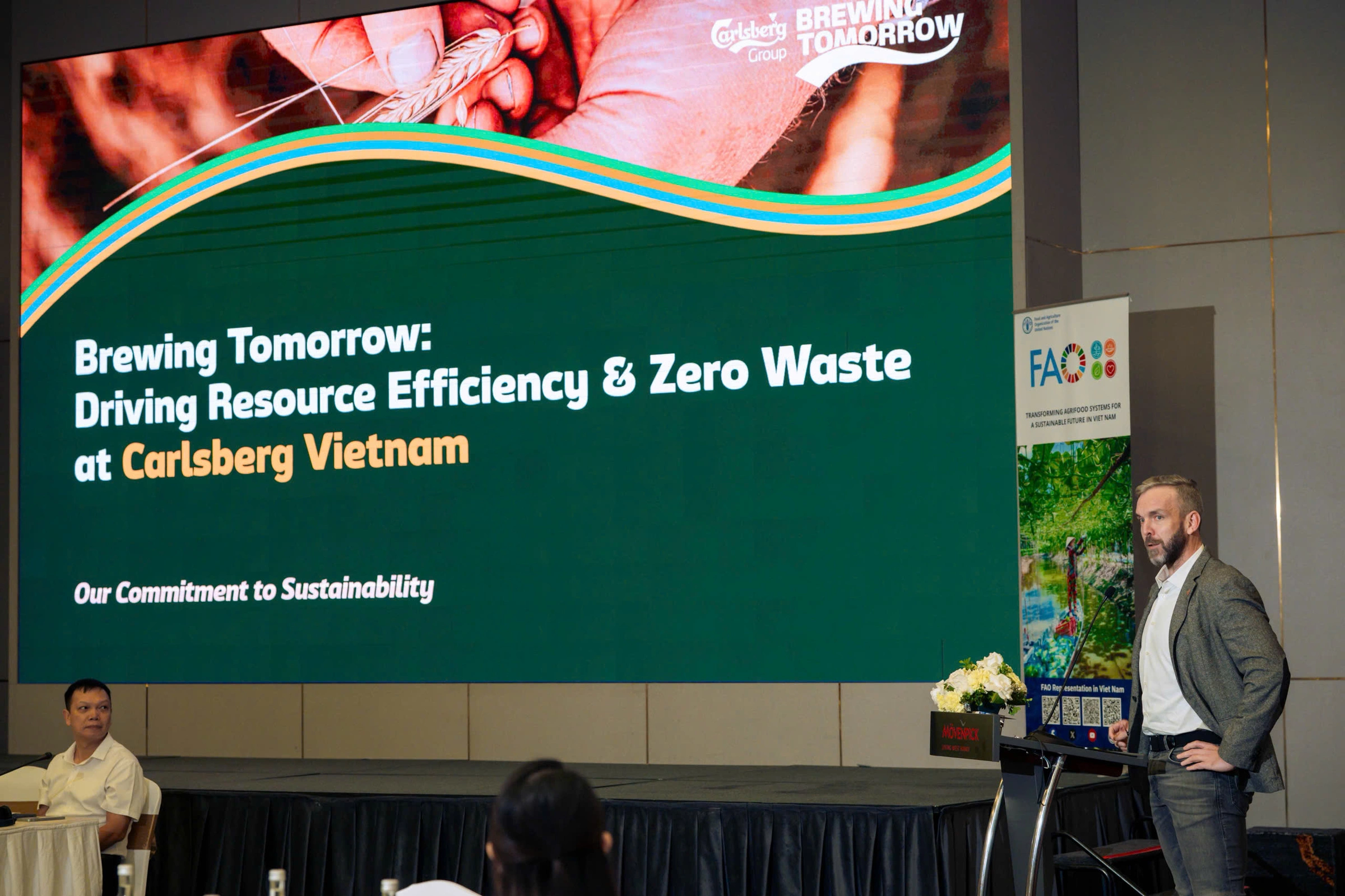 |
Peter Wachenschwanz, senior director of integrated supply chain, presents at a workshop on circular economy and reducing food loss and waste held in Ha Noi on 19/8. Photo: Carlsberg Vietnam |
Peter Wachenschwanz, senior director of integrated supply chain, presents at a workshop on circular economy and reducing food loss and waste held in Ha Noi on 19/8. Photo: Carlsberg Vietnam
The presentations at both forums demonstrate that Carlsberg Vietnam is concretizing Brewing Tomorrow at the factory operational level, focusing on reducing the water, energy, and raw materials needed for production, while increasing resource circularity.
As Vietnam aims for net zero emissions by 2050, the company believes that green transition depends not only on internal factory technology but also on the synchronized development of energy infrastructure, policy mechanisms, and a partner ecosystem.
Yen Chi