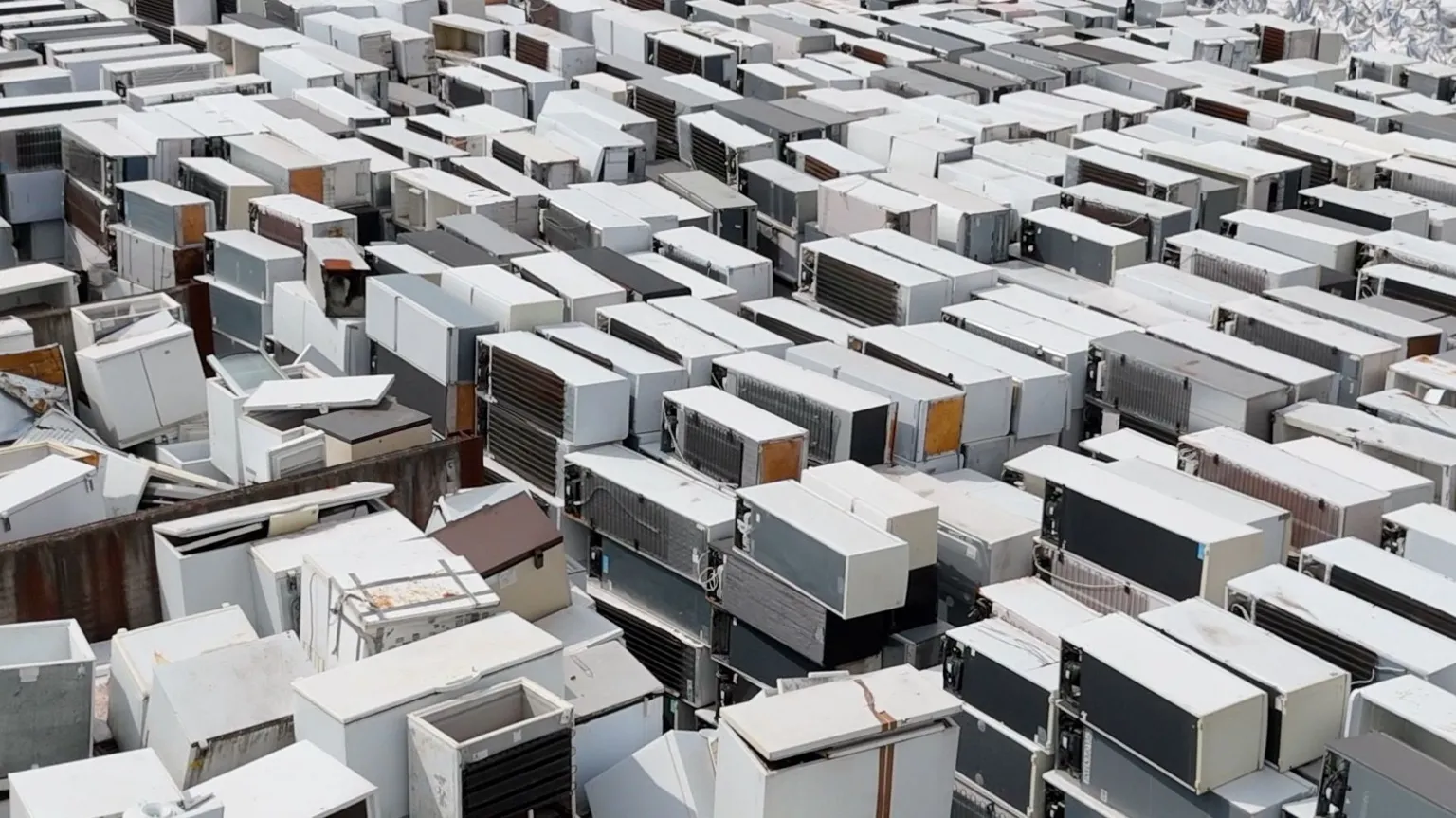
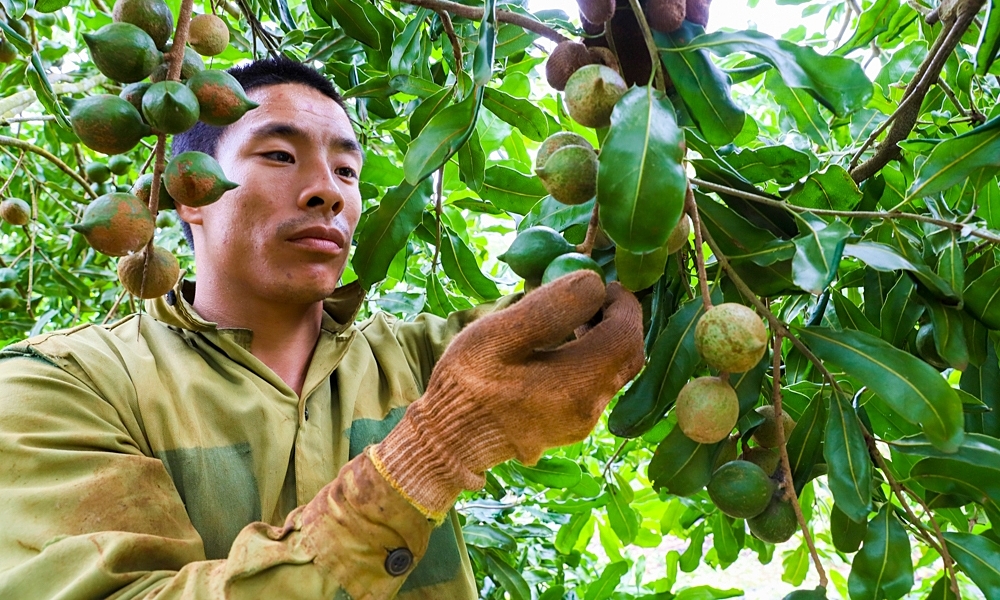
Once the EU's carbon border adjustment mechanism (CBAM) fully takes effect, goods exported to the EU must declare the carbon emissions generated throughout their entire journey. This includes emissions from raw materials, production processes, transportation, and distribution. This data must be calculated using international standard methods, be traceable, and verified by an independent organization.
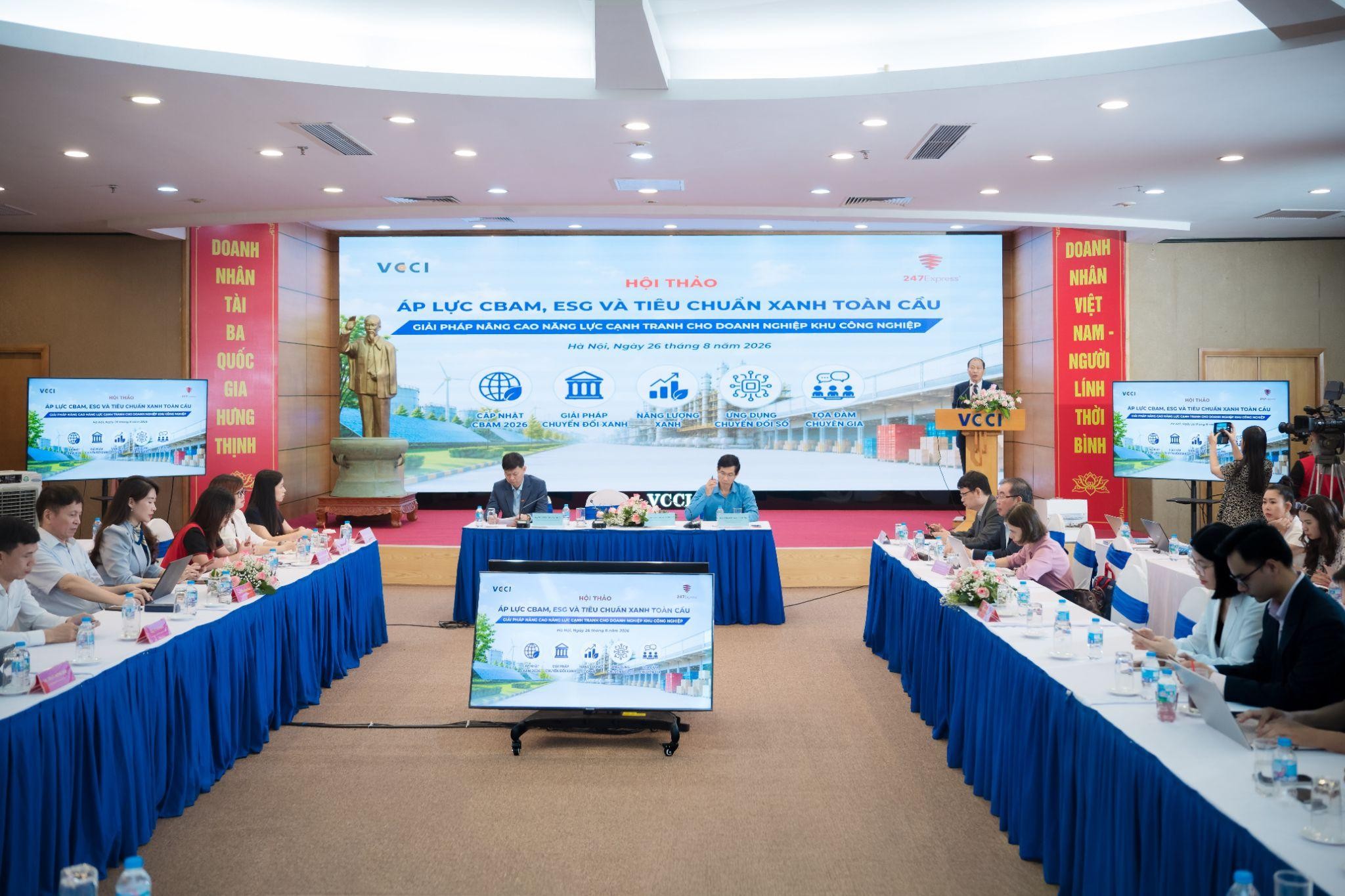 |
Hoi thao "Ap luc CBAM, ESG va tieu chuan xanh toan cau: giai phap nang cao nang luc canh tranh cho doanh nghiep khu cong nghiep" duoc to chuc ngay 26/8 tai Ha Noi. Anh: 247Express
In this context, on 26/8, in Hanoi, the Institute of Technology and Business Innovation, under the Vietnam Federation of Trade and Industry (VCCI), collaborated with Hai Bon Bay Joint Stock Company (247Express) to organize a workshop titled "CBAM, ESG Pressure, and Global Green Standards: Solutions to Enhance Competitiveness for Industrial Zone Businesses". This event is part of The Green IZ Tour 2026 series, a journey directly supporting businesses in northern industrial zones on their green transition roadmap.
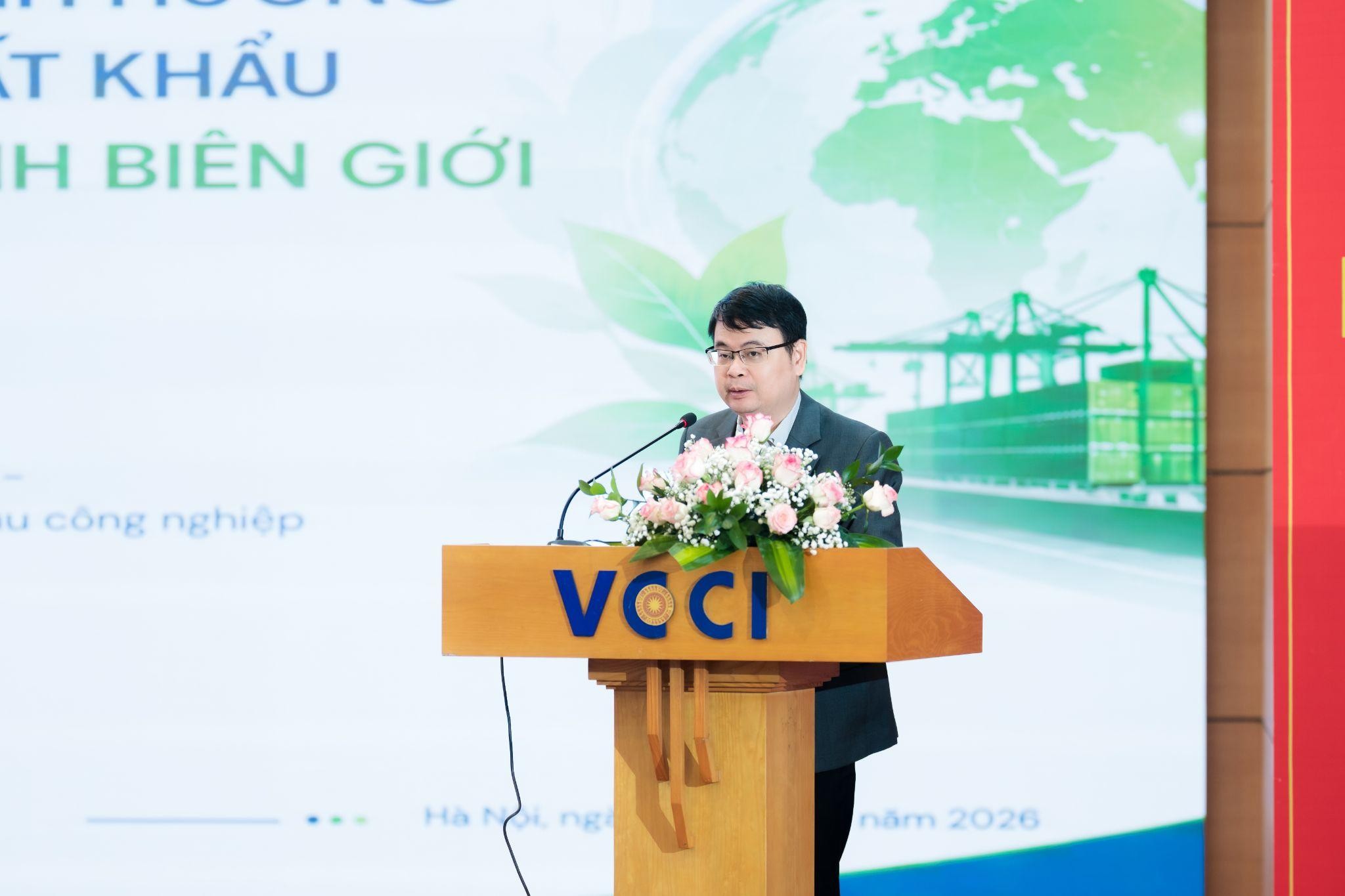 |
Ong Nguyen Ba Hai, Pho Giam doc Trung tam Ho tro Xuc tien thuong mai va Dau tu (Cuc Xuc tien Thuong mai, Bo Cong Thuong) phat bieu. Anh: 247Express
During the workshop, Nguyen Ba Hai, Deputy Director of the Center for Trade and Investment Promotion Support (Trade Promotion Agency, Ministry of Industry and Trade), stated that CBAM will create a significant cost and compliance barrier for businesses exporting to the EU in affected sectors. This mechanism directly links carbon costs to the price of imported goods. Businesses that fail to meet emission data requirements promptly will incur additional costs and risk order disruptions.
Within the CBAM declaration dossier, CO2 emissions from transportation—calculated by distance, vehicle type, and fuel consumption per trip—are data that export businesses cannot generate independently. They rely on their transportation partners to provide this information.
Faced with pressure from export customers, logistics providers are seeking solutions. With a network of more than 200 post offices covering nearly 34 provinces and cities and serving over 20,000 corporate clients, a representative from 247Express noted that this challenge has heightened their awareness of the importance of green transformation, as logistics is a critical link in the supply chain.
Pham Thi Van Anh, North Region Business Director at 247Express, explained that the company addresses this issue by participating in and co-organizing green transformation workshops in key areas such as Hanoi and Hai Phong. Through these efforts, the company identifies the practical difficulties faced by industrial zone businesses and develops transportation solutions that align with green standards.
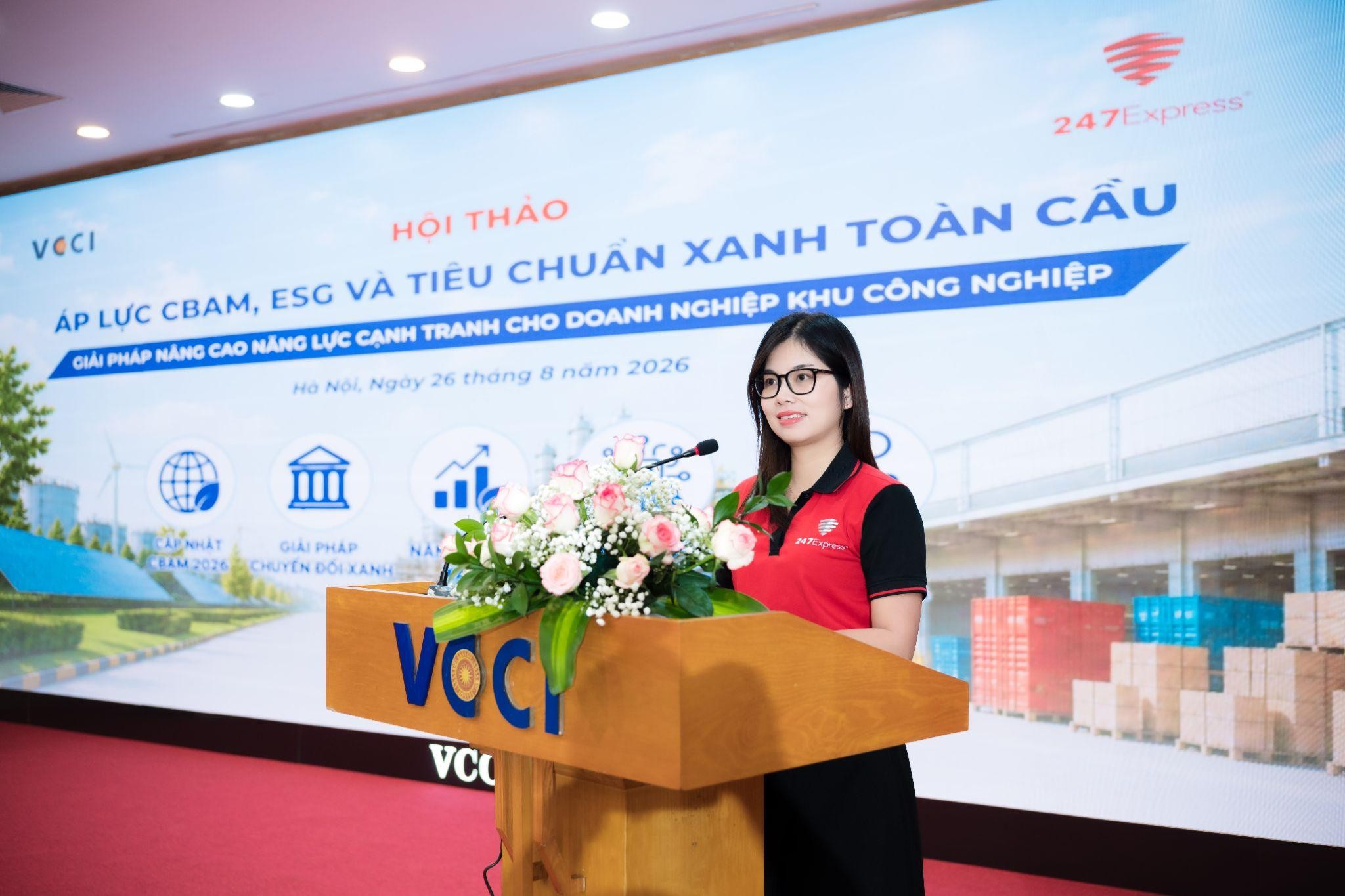 |
Ba Pham Thi Van Anh, Giam doc Kinh doanh mien Bac cua 247Express tai hoi thao. Anh: 247Express
The company representative acknowledged that the Vietnamese logistics sector, and 247Express itself, still has much work to do to acquire sufficient transparent emission data for ESG and CBAM reporting.
To resolve this challenge, 247Express is implementing practical solutions, including enhancing vehicle efficiency, optimizing transportation routes, and digitizing data to measure and ensure emission transparency. This approach outlines a roadmap the company is gradually building to partner with northern industrial zones towards a greener, more sustainable supply chain.
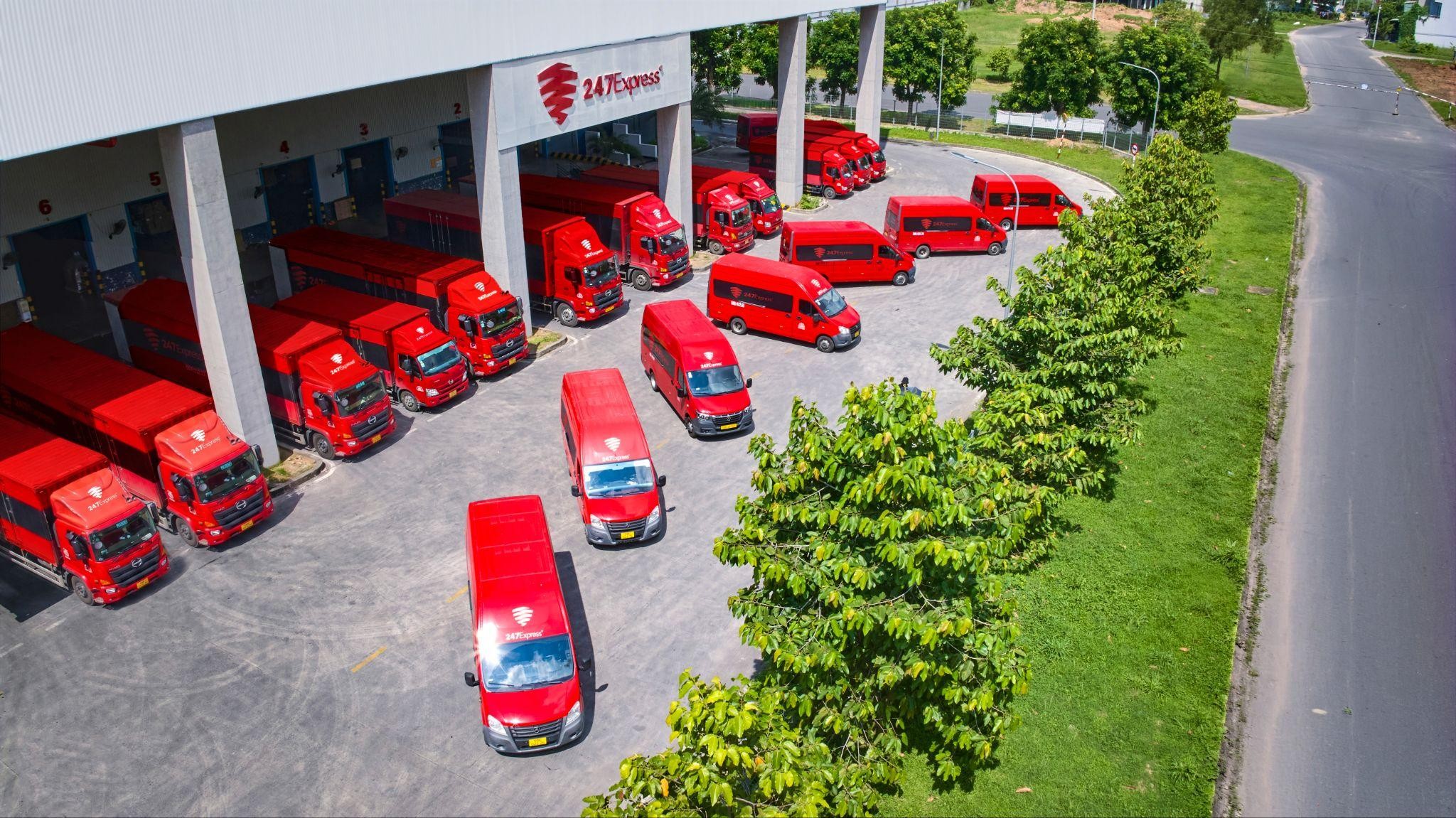 |
247Express voi mang luoi hon 200 buu cuc phu gan 34 tinh thanh va phuc vu hon 20.000 khach hang doanh nghiep. Anh: 247Express
247Express recognizes this as a long journey, with current measures being only the starting point. While many manufacturing businesses are still navigating CBAM requirements, the proactive steps taken by transportation providers are expected to help ease difficulties for Vietnamese goods destined for the EU.
(Source: 247Express)