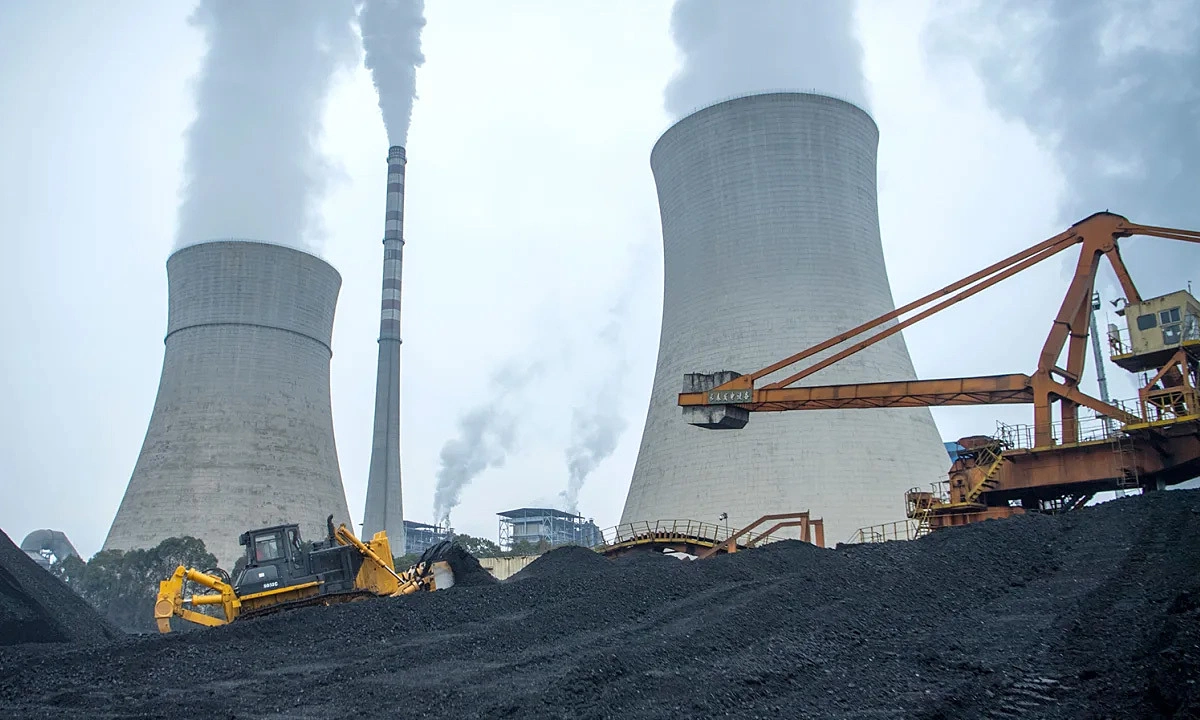
On 7/7, the French government confirmed it would publish a decree banning all advertising for imported fossil fuels before the end of this year. This measure is part of 22 initiatives designed to promote electricity use and reduce the country's reliance on fossil fuels.
In 2021, France passed the Climate and Resilience Law, which stipulated a ban on marketing or promotional campaigns for fossil fuels. However, this law had not been implemented due to a lack of guiding decrees. According to Le Monde, the government's new move will address the legal loophole that has existed for the past 5 years.
"The decree will put an end to natural gas advertisements that we have seen recently, which go against the policy of phasing out this type of fuel," mot official at the French Ministry of Energy said.
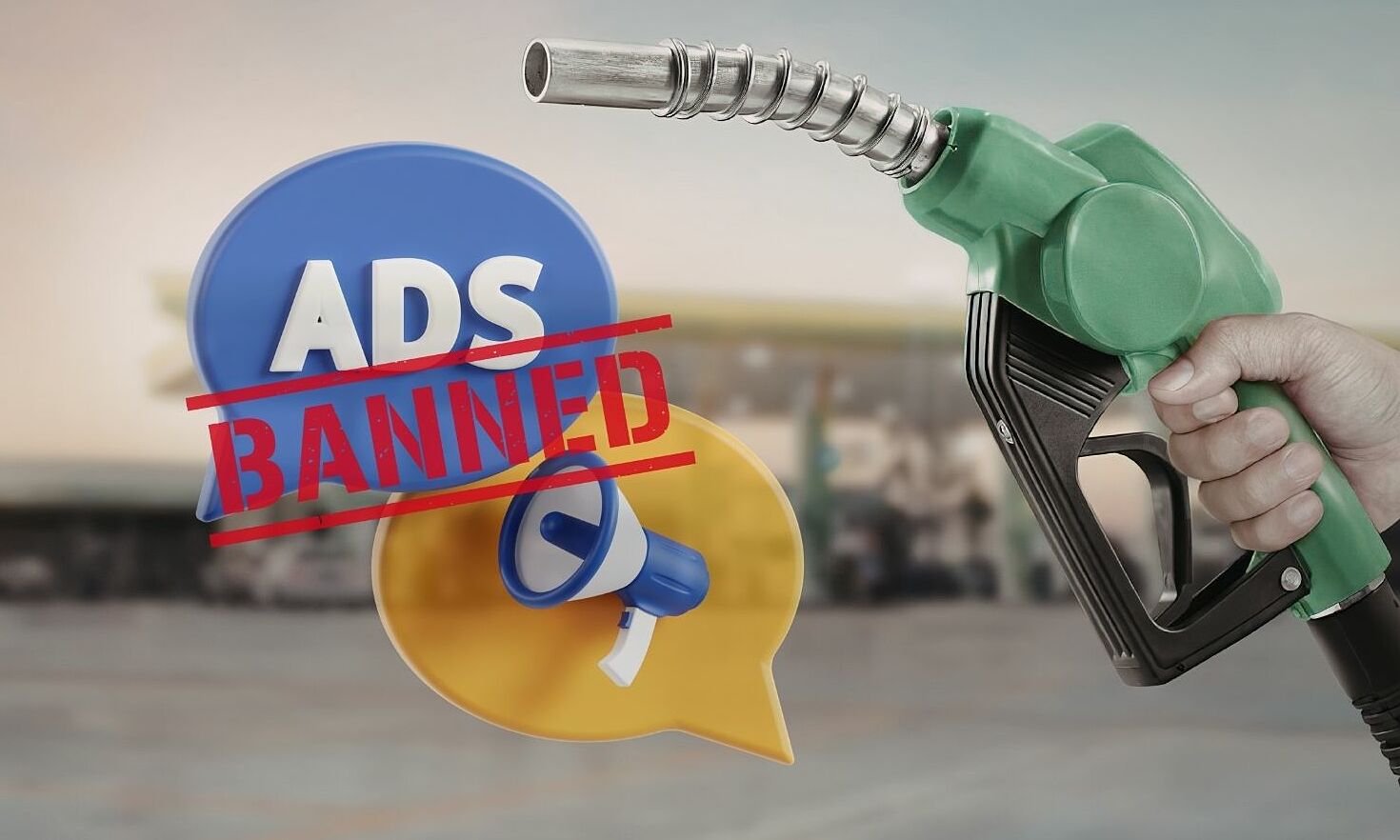 |
France will issue a decree banning fossil fuel advertising this year. Graphics: Phien An |
Environmental organizations in the country view this as an incomplete victory. Edina Ifticene, a campaigner for Greenpeace France, commented, "It is difficult to understand why it has taken so many years for the decree to be issued. What is more regrettable is that its content is still not stringent enough."
Greenpeace, along with many organizations, had called for the enactment of mot "Evin Law for climate", inspired by the law restricting tobacco and alcohol advertising. Accordingly, they want the ban to cover all communication activities of oil and gas companies, as well as products and services that use fossil fuels, such as gasoline and diesel cars.
France is committed to achieving net zero emissions by 2050. This roadmap includes reducing emissions by 50% by 2030 (compared to 1990 levels), ending coal use by 2030, oil by 2045, and natural gas by 2050.
Late last month, French Development Minister Eleonore Caroit urged the World Bank to maintain its climate finance goals, despite pressure from the US. Previously, the administration of President Donald Trump had asked the World Bank to abandon its goal of dedicating 45% of its total annual lending to climate change-related projects.
Instead, Washington wanted the organization to refocus on core development loans, including financing for fossil fuel projects.
According to Caroit, as climate-related disasters are predicted to occur more frequently due to global warming, maintaining climate commitments becomes even more urgent.
"We need to send a strong signal to all nations, as well as economic actors, especially amidst a backlash against climate policies in mot so countries," she stated.
Phien An (according to Le Monde, Reuters)