Phu Nhuan Jewelry Joint Stock Company (PNJ) has repurchased a significant volume of products, totaling around 7,062 billion dong, since early July. This move comes amidst increased customer demand to sell back diamond jewelry and recent market developments. The company's proactive measures include adjusting its buyback policy and managing inventory liquidity to maintain financial stability.
In a recent letter to investors, PNJ stated that during the first 20 days of July, demand for reselling diamond jewelry surged. The company allocated 5,900 billion dong to buy back products during this period. Concurrently, PNJ recorded total revenue of approximately 1,588 billion dong.
Following a comprehensive review of market developments and operational indicators, PNJ adjusted its buyback process from 21/7. Under the new policy, customers selling products for cash will receive payments in installments, extending up to 120 days. However, those opting to exchange for other products will experience an immediate process and receive an additional discount.
The revised policy has shown immediate results. As of yesterday, the value of repurchased goods reached approximately 1,162 billion dong during the 7 days of the new policy's implementation, accounting for about 5% of total transactions. The majority of customers, 95%, chose to exchange for other products, leading to an improvement in operating cash flow compared to the beginning of the month, according to management.
On the sales front, PNJ's entire system achieved total revenue of 1,393 billion dong. This brings the total revenue from July to date to approximately 2,981 billion dong. CEO Phan Quoc Cong noted that many customers still wish to purchase jewelry products. However, he cautioned that these short-term results require further monitoring to assess the sustainability of this trend.
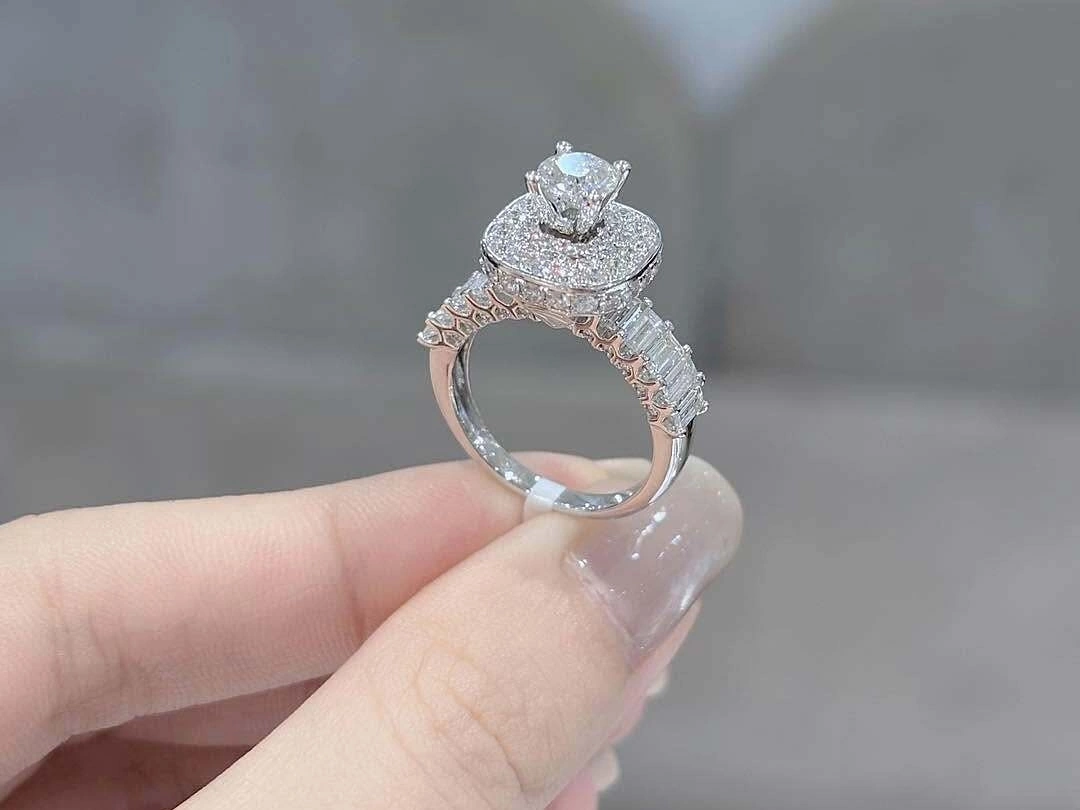 |
A PNJ diamond ring. *Photo: PNJ* |
PNJ's leadership acknowledged that future market developments could continue to impact the company's business results and cash flow. Despite potential challenges, the company is committed to maintaining financial discipline and robust risk management to ensure sustainable development.
The company is also implementing several operational adjustments. In addition to modifying its buyback methods, PNJ is tightly managing inventory liquidity and deploying various strategies to optimize inventory turnover. Furthermore, the company is adjusting production activities to increase the supply of product lines that align with current market tastes.
Despite facing difficulties for a period, PNJ has not yet needed to utilize its credit lines. The company plans to optimize operating costs, tightly manage capital sources, and prioritize resources for production and business activities during the crucial year-end peak season.
The surge in buybacks and operational adjustments followed a crisis that began in early July. Dang Ngoc Thao, former director of PNJ Appraisal One Member Limited Liability Company (P-Lab), was prosecuted for involvement in a diamond smuggling case. A few days later, Cao Thi Ngoc Dung, Chairwoman of the Board of Directors, asserted that the smuggled diamonds did not enter PNJ's system and that all diamonds sold by the company were legitimate. However, the incident still affected customer sentiment, leading to a significant increase in product buybacks. PNJ's buyback volume in the subsequent 3 weeks was 5 times higher than sales, creating considerable liquidity pressure. PNJ's stock also fell sharply in July, losing nearly half its market capitalization.
Tat Dat