The Ministry of Agriculture and Environment has submitted to the Ministry of Justice for appraisal a draft decision by the Prime Minister on the list of sectors and facilities that must conduct greenhouse gas inventories in 2026.
This update to the 2024 list now includes 2.705 facilities across three sectors: construction, industry and trade, and agriculture and environment. This expanded list adds 539 facilities compared to two years ago.
Specifically, the construction sector sees an addition of 161 facilities, encompassing building material manufacturing and commercial buildings. Many office buildings and hotels have been added, including: Keangnam, Lotte Lieu Giai, JW Marriott Hanoi, Fortuna, Pan Pacific, Intercontinental, and commercial centers such as: GO!, The Garden, and Vincom.
Conversely, the Times City urban area has been removed from the mandatory greenhouse gas inventory list.
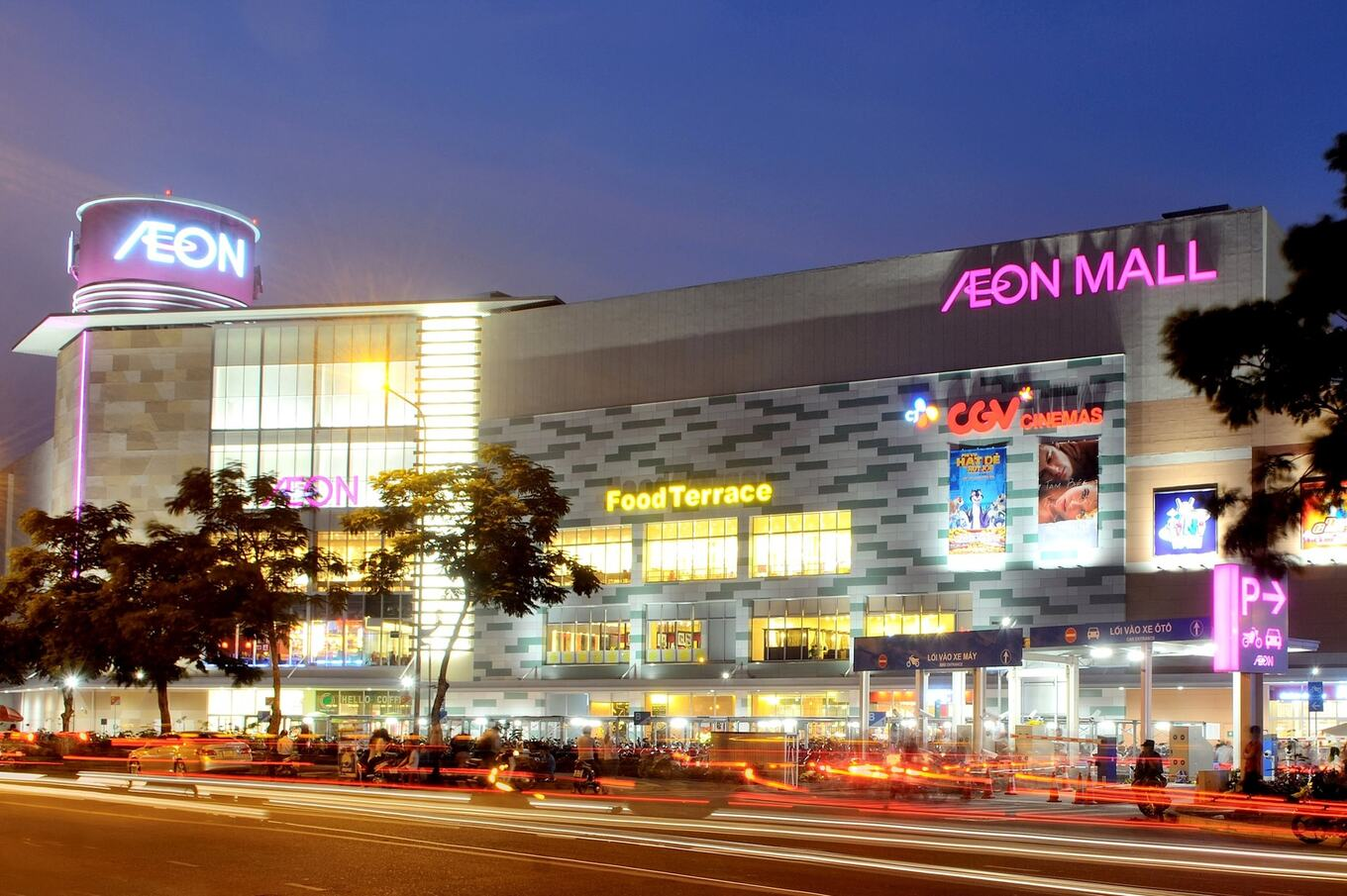 |
Exterior of Aeon Mall Tan Phu (TP HCM). *Photo: Aeon Mall Viet Nam* |
The industry and trade sector sees an addition of 373 facilities for greenhouse gas inventory, making up over 80% of the total units on the list. The electronic component and semiconductor manufacturing sector has the largest increase, including: Amkor, Hana Micron, and SR Tech.
The agriculture and environment sector adds 5 facilities, bringing its total to 62 units, which represents over 2% of the list.
Greenhouse gas inventory provides a foundation for businesses to set future emission reduction targets, supporting Vietnam's commitment to achieving net zero emissions by 2050. Based on these results, they will receive greenhouse gas quotas and participate in the domestic carbon exchange.
In Vietnam, the greenhouse gas inventory list was first issued in 2022 and is updated every two years. It includes facilities consuming over 1.000 TOE annually. The Ministry of Agriculture and Environment reported that the most recent 2024 list helped control 23% of total national emissions. This figure needs to reach 85% in line with the Paris Agreement.
Following implementation and data updates, the Ministry reviewed and identified facilities that met the consumption threshold but were not on previous lists. This update ensures a complete and accurate inventory, supporting emissions management and pilot quota allocation as planned.
To ensure the inventory process, provincial and city People's Committees must review, propose adjustments, and take responsibility for the accuracy of the greenhouse gas emitting facility list within their localities.
Data from 1994-2020 shows Vietnam's total greenhouse gas emissions rapidly increased from 103,8 million tons of CO2e to approximately 472,8 million tons of CO2e. Projections indicate these emissions will reach 928 million tons by 2030, with energy as the largest source. Energy emissions stem from power generation plants and major electricity-consuming facilities in the commercial and service sectors.
Specifically for the commercial building sector, some large emitting facilities listed in the draft include: Lotte Lieu Giai (nearly 44.000 TOE), Keangnam Tower (8.700 TOE), Sofitel Legend Metropole Hotel (7.100 TOE), and Aeon Mall Long Bien (4.600 TOE).