On the morning of 28/8, the National Assembly Standing Committee discussed the draft Law on Small and Medium Enterprise Development.
Minister of Finance Ngo Van Tuan stated that the proposed policies in the draft law are based on the principle of focused support linked to output results, shifting from "state-provided assistance to what businesses truly need".
Regarding the roadmap for household businesses to "upgrade" to enterprises, the government proposes that the converted company is not required to have a chairman or chief accountant. The company owner can also serve as or hire someone else to be the director or general director.
Additionally, the business owner can manage their own accounting, outsource services, or assign a relative or existing staff member, such as a manager or warehouse keeper, to handle accounting, provided it complies with the Enterprise Law.
Furthermore, eligible businesses will be exempt from several types of fees, including: registration fees, initial registration announcement, initial license issuance, and professional certificates.
During the initial 36 months, businesses transitioning from household businesses will benefit from simplified tax declaration, accounting, and reporting mechanisms for micro-enterprises. Costs for using digital platforms, accounting software, and accounting services are expected to receive support for up to 24 months. They may also receive a reduction in social insurance contributions for 12 months and obtain a business registration certificate after one working day.
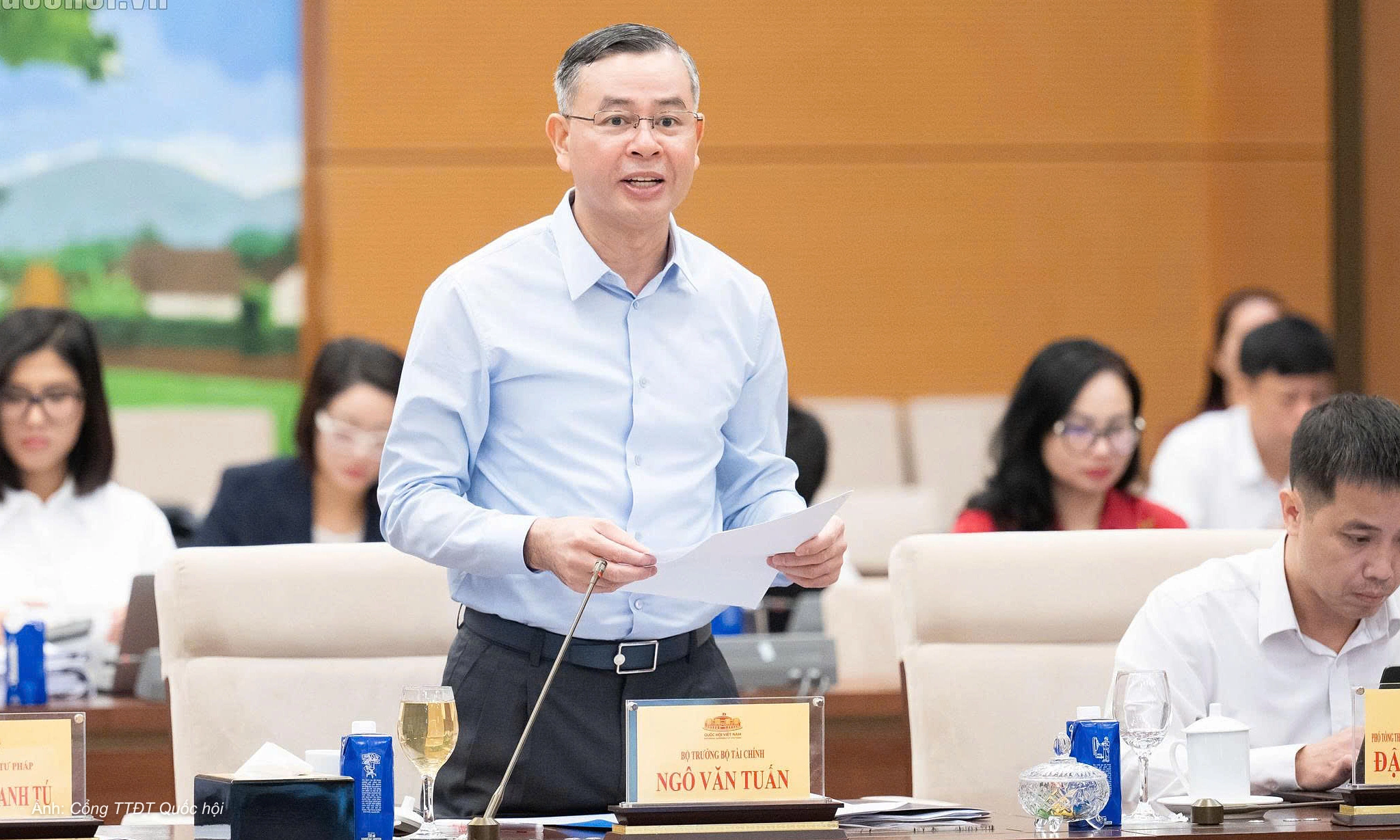 |
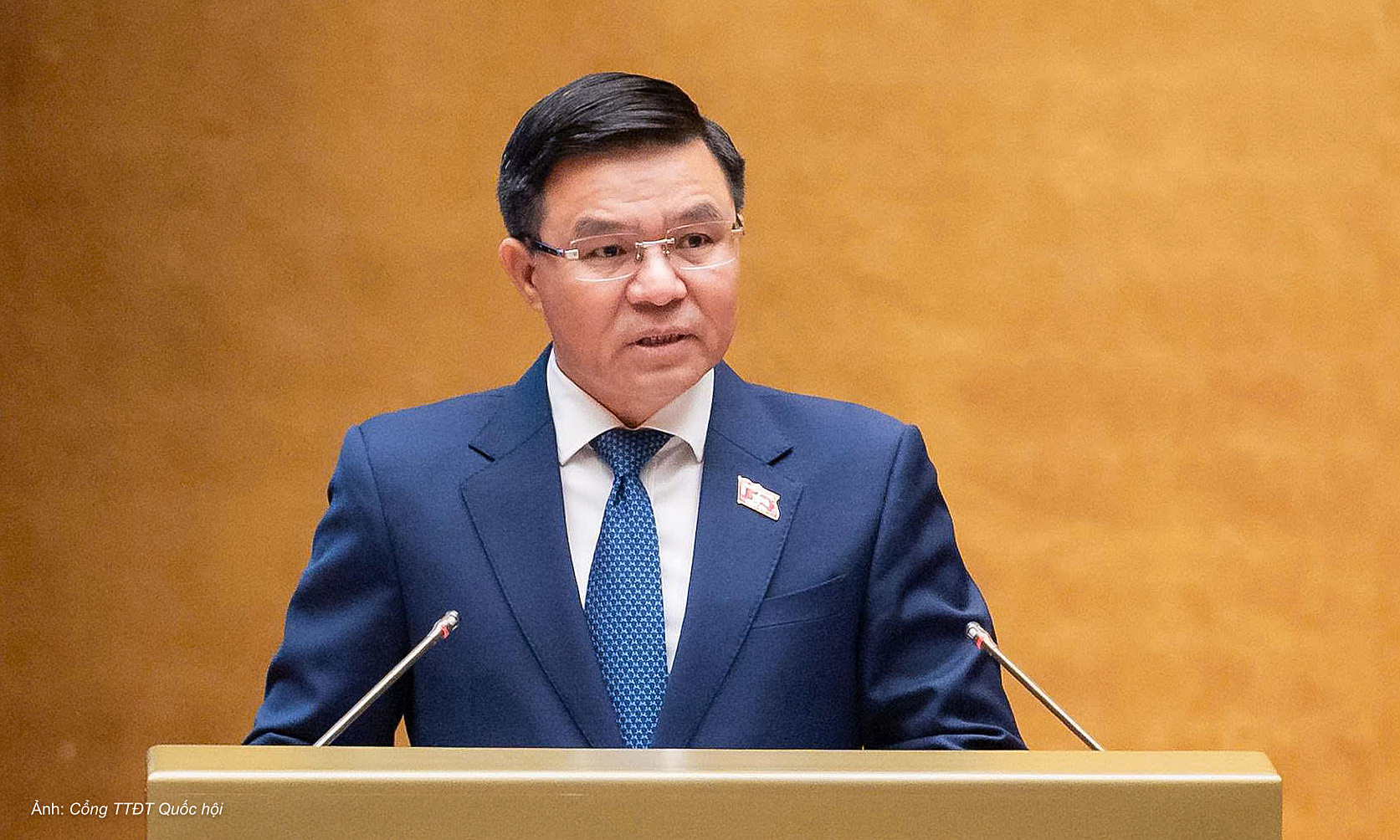
Minister of Finance Ngo Van Tuan presented the draft law on 28/8. Photo: National Assembly Portal |
Regarding general support policies, the draft law proposes a three-year income tax exemption for small and medium enterprises. These businesses will also gain increased market access through public procurement policies, such as participating in bidding for construction and public procurement packages valued at up to 20 billion VND.
New industrial parks and clusters are expected to allocate an average of 20 hectares or 5% of their leasable area, and offer at least a 30% reduction in land rent for the initial five years to small and medium enterprises.
Phan Van Mai, Chairman of the Economic and Financial Committee and representative of the appraisal agency, largely agreed with expanding support policies for businesses converting from household or individual operations. However, the appraisal agency requested clarification on the basis and resources for this support to ensure its feasibility and accessibility for small businesses.
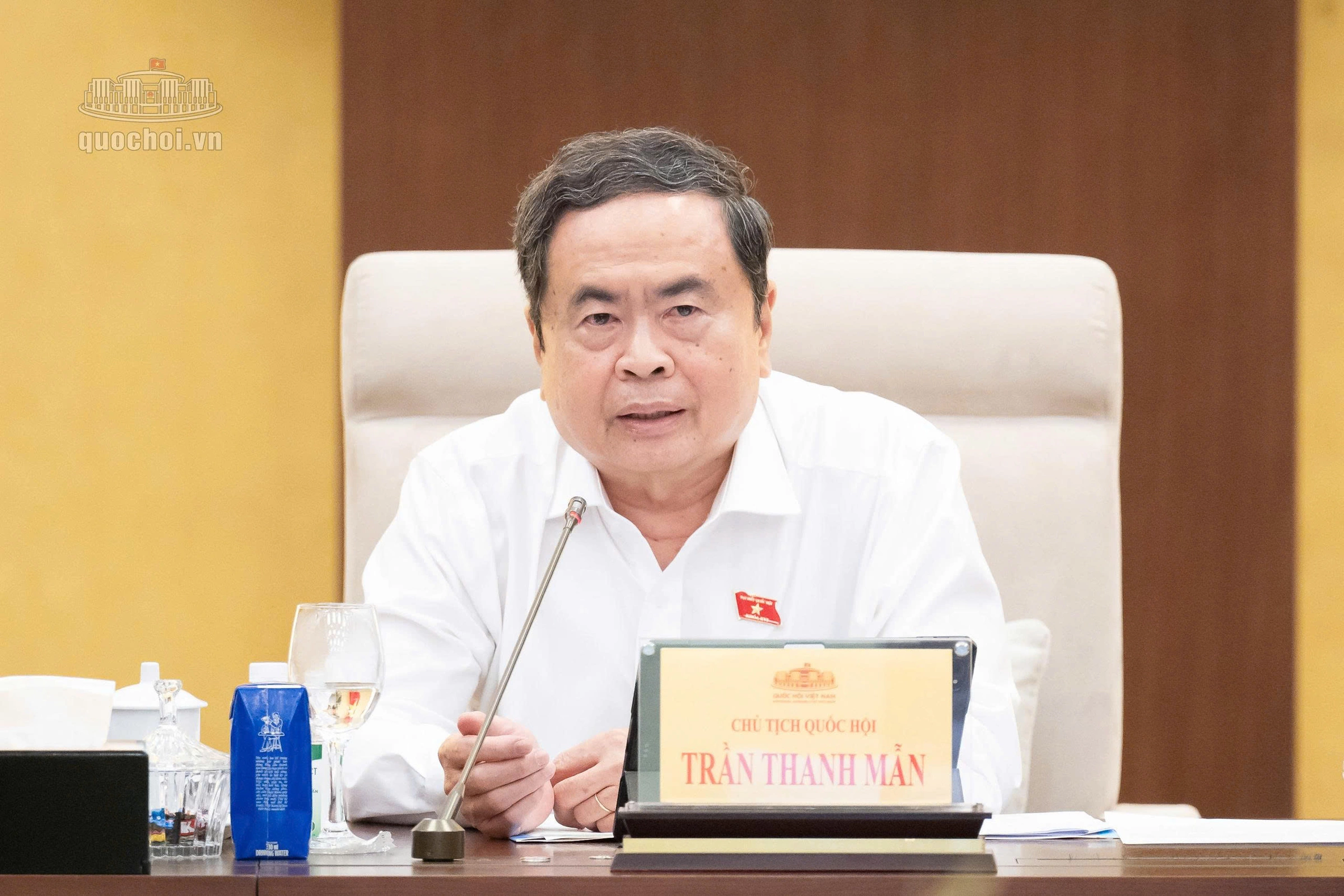 |
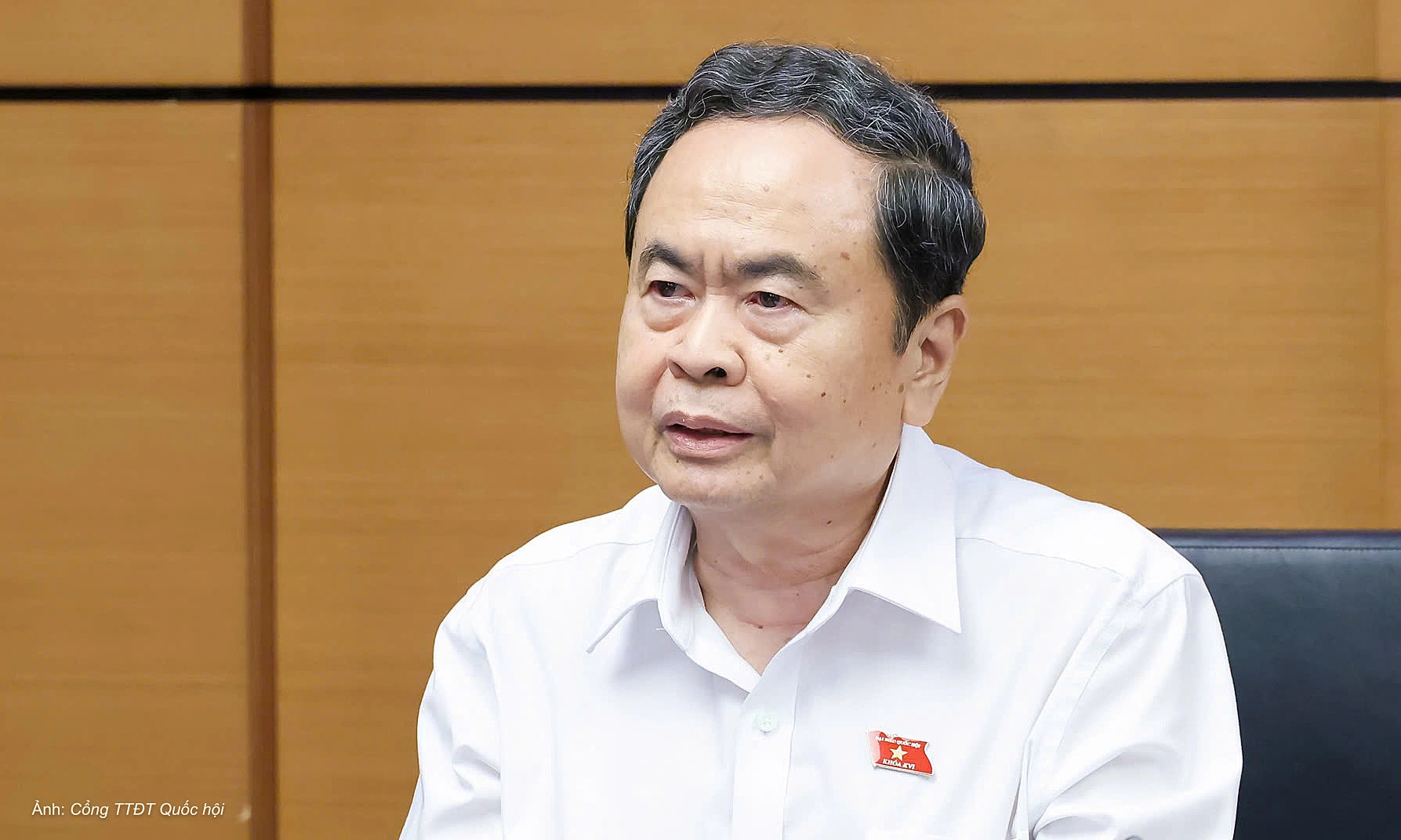
National Assembly Chairman Tran Thanh Man offered comments at the morning session on 28/8. Photo: National Assembly Portal |
Commenting on the draft law, National Assembly Chairman Tran Thanh Man emphasized that amending the law must create policy breakthroughs, shifting from state-supply-driven support to actual business needs. He noted that the draft law must innovate methods, providing results-based support rather than a blanket approach, alongside developing an ecosystem and promoting digital transformation.
According to the draft law, the criteria for defining small and medium enterprises will change. The draft removes the total capital criterion, retaining only the maximum average of 300 employees per year and annual revenue not exceeding 400 billion VND in the preceding year.
The National Assembly Chairman urged the drafting agency to carefully assess potential risks. He cited an example where the 400 billion VND revenue threshold might still allow some capable businesses to receive support, thereby diluting national resources.
From the perspective of the business community, Dau Anh Tuan, Deputy Secretary General and Head of the Legal Department of the Vietnam Chamber of Commerce and Industry (VCCI), suggested that the draft law should prioritize policy groups that can be implemented immediately after its enactment. This approach aims to prevent situations where good support policies "barely reach businesses at the grassroots level".
Mr. Tuan proposed that micro-enterprises and household businesses with annual revenue under 10 billion VND be allowed to pay tax based on revenue. He explained that household businesses with revenue under 10 billion VND currently must maintain accounting books, including four types of ledgers, and pay tax based on income (revenue minus expenses). "For micro-enterprises and household businesses, calculating expenses is very complex. How can a pho stall prove where it bought a chicken and provide invoices and receipts?", he questioned.
According to the VCCI representative, allowing household businesses and micro-enterprises to pay tax based on revenue could help 5-6 million units reduce costs and simplify procedures.
Concluding the discussion, Minister of Finance Ngo Van Tuan explained that small and medium enterprises account for approximately 98.4% of all businesses, yet their credit outstanding is only about 19-20%, a very small proportion. Most are newly established, small-scale businesses without collateral, making capital access difficult. Therefore, amending the law is essential to address this bottleneck with specific mechanisms.
Regarding taxes, Minister Tuan stated that after this law is promulgated, the Ministry will issue specific guidance for businesses with revenue under 10 billion VND, allowing them to pay tax based on a percentage of their revenue.
Son Ha