Uber Technologies is significantly expanding its use of autonomous robots and drones for delivery, with over 1,000 delivery robots currently operating across more than 10 cities. Balaji Krishnamurthy, chief financial officer of Uber Technologies, confirmed this expansion at a Morgan Stanley conference in early march, highlighting collaborations with about 7 ecosystem partners, including both sidewalk robots and drones.
While sidewalk delivery robots face challenges with direct interaction required from both merchants and customers—unlike the seamless experience with human couriers—drones offer distinct advantages. Drones can move faster and deliver directly to backyards, opening up numerous additional use cases, according to Krishnamurthy.
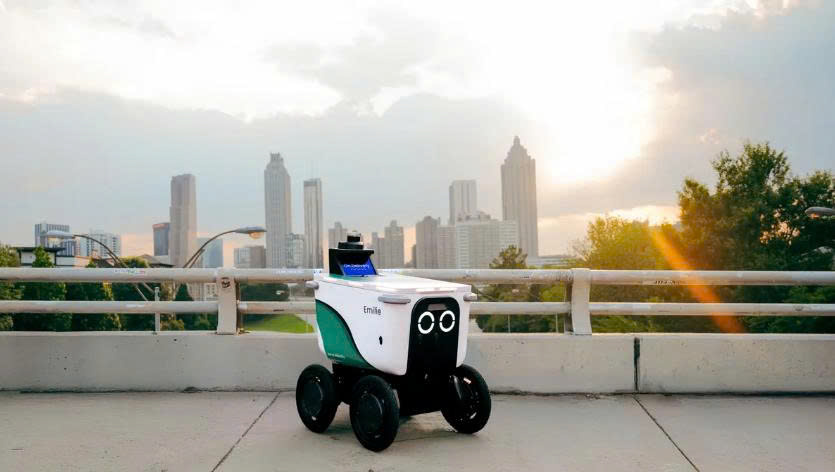 |
A Serve Robotics robot in Atlanta. *Photo: Serve Robotics* |
The drive to pilot and expand robot and drone technology is a widespread industry trend aimed at reducing "last-mile" costs, which represent the most expensive segment of the delivery chain. For example, DoorDash partners with Serve Robotics in Los Angeles, and Walmart uses Wing's drones for rapid deliveries. However, this technology still faces numerous challenges. Sidewalk robots have not yet achieved full user acceptance, and drones encounter regulatory hurdles and noise concerns, despite the Federal Aviation Administration's efforts to simplify the licensing process.
"In the long term, we believe robots and drones will play a much larger role in delivery, but there are still issues that need refinement", Krishnamurthy stated. Nevertheless, Uber continues to pilot new technologies. Last year, the company invested in and partnered with Flytrex, simultaneously launching robot delivery services in Chicago with Serve Robotics.
Uber's leadership points to the appealing economic efficiency of these models as a positive factor. This allows businesses to conduct trials without excessive upfront investment, fostering a "learn-as-you-go" approach. Uber Technologies, an American technology company founded in 2009, initially provided ride-hailing services. It has since expanded to food delivery with Uber Eats, logistics, and now, robot and drone deliveries. Operating in dozens of countries and serving millions of users daily, Uber's strategy focuses on technology and optimizing the last mile to build a comprehensive mobility and delivery ecosystem.
By Ngoc Minh (Source: Supply Chain Dive)