The National University of Singapore (NUS) is the first institution in Southeast Asia to establish a structured program focusing on South Asian geopolitics, according to Professor Rajesh Rai, Director of the South Asian Studies Program (SASP). This region, home to over two billion people, significantly impacts global socio-economic shifts.
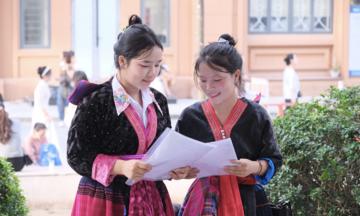
The Master of South Asian Geopolitics program at NUS comprises 40 credits and can be completed in one year full-time or two years part-time. All coursework is taught in English. Non-native students have the option to enroll in additional Hindi or Tamil business communication courses to enhance their integration and cultural understanding of the region. Regular thematic discussions, international workshops, and expert sessions with professionals in diplomacy, economics, and media connect theoretical knowledge with practical applications.
 |
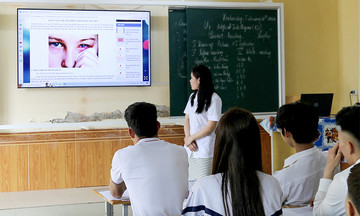
Non-native South Asian students can enroll in additional Hindi or Tamil business communication language courses. *Photo: NUS*
The curriculum is designed with an interdisciplinary approach, integrating historical, political, economic, social, cultural, and religious elements. This helps students gain a comprehensive understanding of the development dynamics within the region, which includes India, Pakistan, Bangladesh, Sri Lanka, Nepal, and Bhutan.
Notable modules include "The Making of Modern South Asia," which explores the formation of modern states and the legacy of colonialism, and "Introduction to the Geopolitics of South Asia," which analyzes power relations, conflicts, and the role of regional powers in the global landscape.
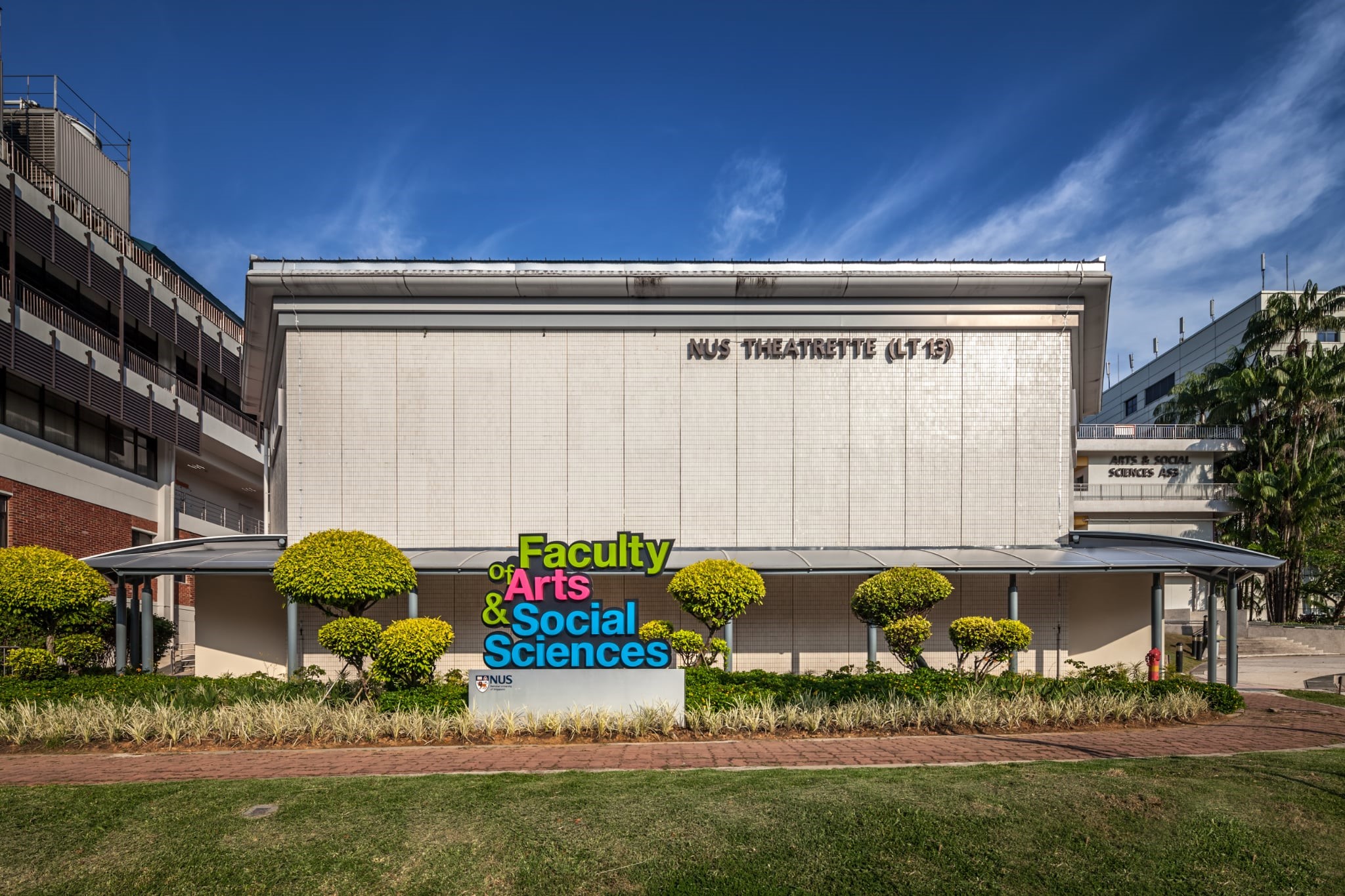 |
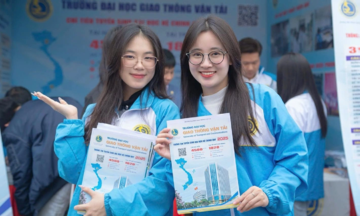
Students of the Master of South Asian Geopolitics program will study and conduct research at NUS's Faculty of Arts and Social Sciences (FASS). *Photo: NUS*
Beyond foundational subjects, students also engage with current topics such as energy security, international trade, digital technology, climate change, cybersecurity, tech politics, gender, and policy planning. Graduates are equipped to conduct research and assess the connections between global issues and developments in South Asia.
With over 25 years of experience in teaching and research on the region, NUS has transitioned from a research-oriented master's to a coursework program. This change aims to address practical demands and broaden access for students across the region. The university also collaborates with the Institute of South Asian Studies (ISAS), leveraging both academic strengths and practical connections to provide students with an academic perspective that has high real-world applicability.
"We have accumulated sufficient teaching and research capacity to offer higher education, and we want to provide students with a comprehensive understanding of South Asia amid evolving geopolitical changes," Professor Rai said.
Doctor Rajshree Jetly, co-director of the master's program, highlighted that South Asian geopolitics extends beyond regional concerns, influencing the global landscape. According to Doctor Jetly, developments in the region, including economic growth, border disputes, and energy transitions, directly affect global security, trade, and supply chain structures.
"Geopolitics is a compelling topic today. When combined with South Asia, it becomes even more valuable and draws significant attention because this region presents new information, opportunities, and challenges that political and economic researchers should understand," Doctor Jetly added.
 |
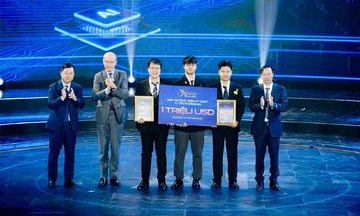
NUS offers various support policies for international students pursuing full-time and part-time master's programs. *Photo: NUS*
NUS anticipates attracting both recent graduates and experienced professionals from fields such as diplomacy, journalism, research, business, and non-governmental organizations. Upon completing the program, graduates can pursue careers in strategic research institutes, international organizations, government agencies, multinational corporations, media, and policy consulting.
Representatives from the university noted that several agencies and businesses, including Enterprise Singapore – a government agency under Singapore's Ministry of Trade and Industry, Singapore's Ministry of Culture, Community and Youth, The Straits Times newspaper, and Agrocorp International, have expressed interest in collaboration, offering internship and employment opportunities for students in this field.
"The labor market lacks personnel with deep understanding of South Asia – a region accounting for over 25% of the global population and experiencing the fastest growth worldwide. Master's graduates from this program at NUS will have a significant competitive advantage in a globalized environment," Professor Rai noted.
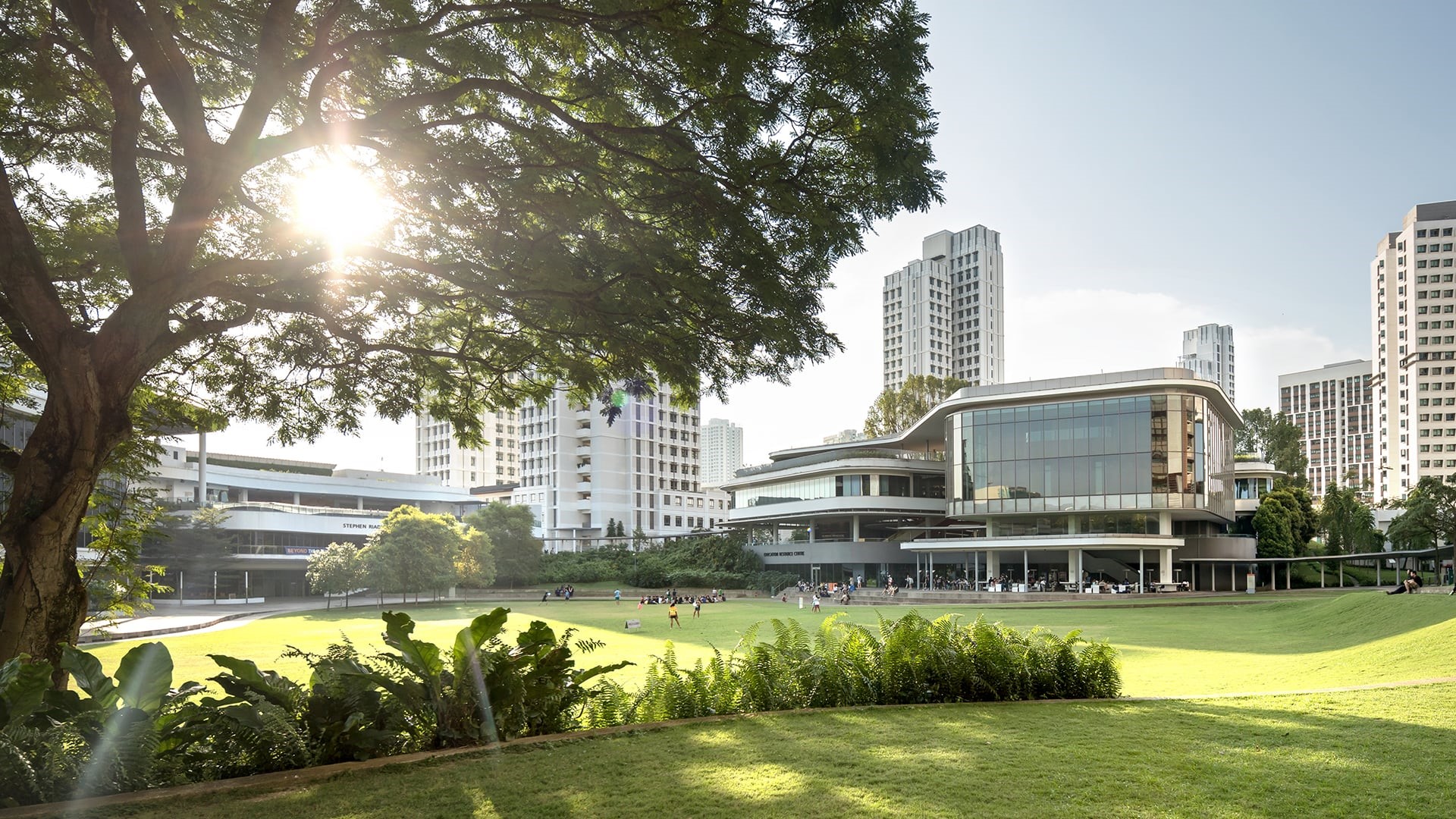 |
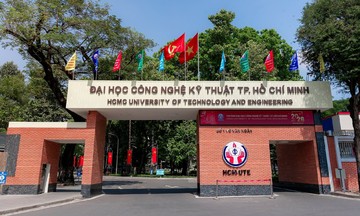
The green, spacious campus at NUS. *Photo: NUS*
Professor Rai also pointed out the advantages for Vietnamese students pursuing this program at NUS. Beyond geographical proximity, students can expand their network within ASEAN. Vietnam is also increasing cooperation with India and other South Asian countries in trade, technology, education, and defense, creating an urgent demand for personnel with deep regional expertise. An NUS master's degree combined with specialized knowledge of South Asia will enhance career prospects for graduates, both regionally and internationally.
"We aim to nurture a generation of experts capable of analyzing, connecting, and engaging more deeply with developments in Southeast Asia and South Asia, regions with significant potential to shape the future of the continent and the world," the professor emphasized.
The National University of Singapore is recognized as one of Asia's leading universities, ranking among the top 10 globally for Social Sciences and Humanities in the QS 2025 rankings. The university provides a multicultural, dynamic learning environment with high-quality facilities and infrastructure.
NUS will host an online information session on 27/11 to provide detailed information on the program structure, admission requirements, and scholarship opportunities for international students. Further details are available on the official website of the South Asian Studies Program.
Thy An