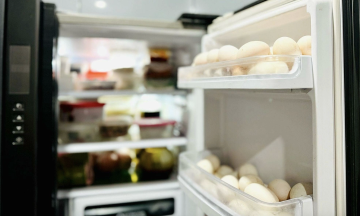
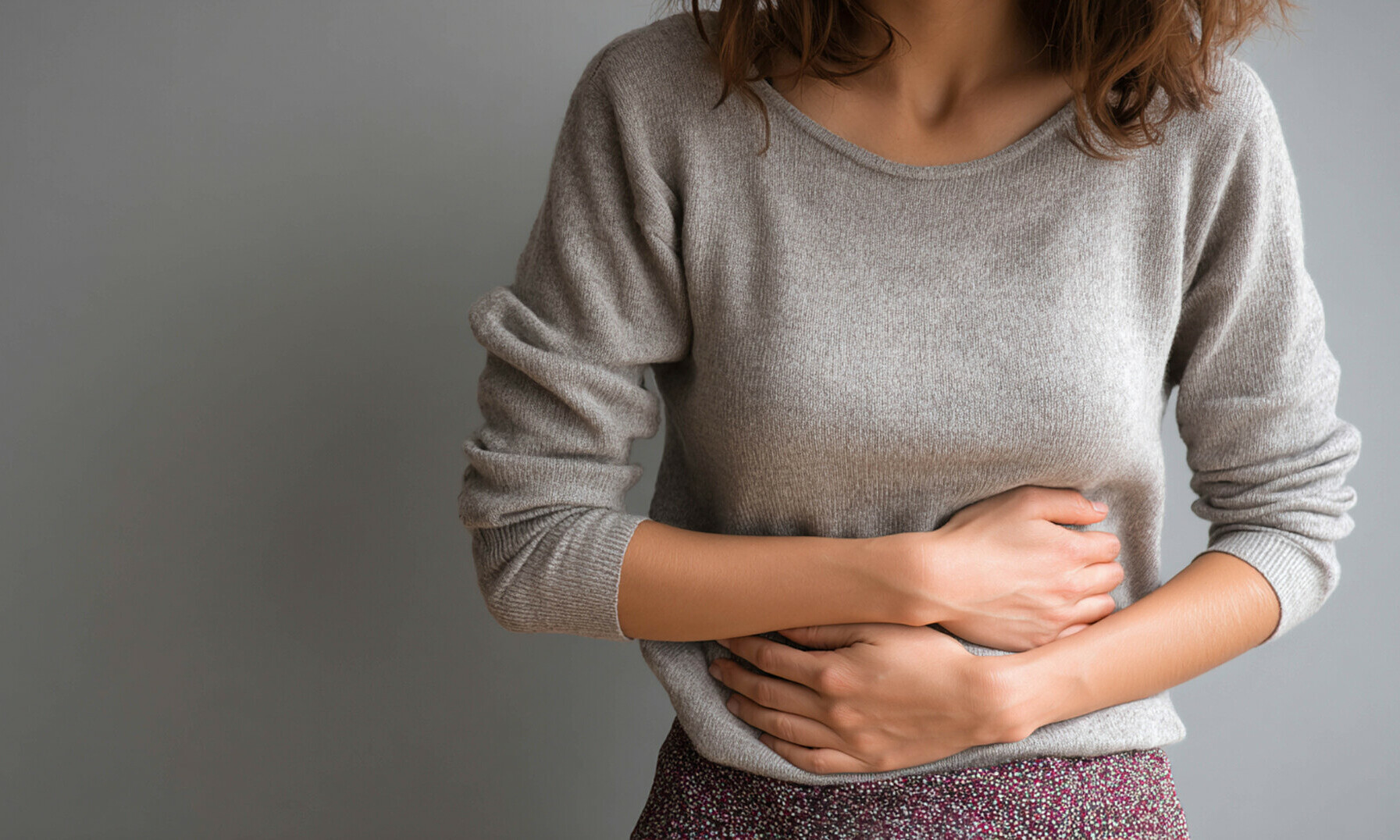
The incident occurred early this year but recently resurfaced, drawing significant attention on Chinese social media. On 9/4, the keyword "35-year-old pregnant woman dies after eating refrigerator leftovers" became a trending topic on Weibo.
According to Metropolitan Report, the woman had a frugal habit of saving leftover food. On the day of the incident, she consumed several cold dishes that had been stored overnight in the refrigerator. Initially, she felt slight discomfort, but soon developed a fever and diarrhea. Her family mistakenly believed it was common gastroenteritis, but her symptoms worsened. By the time she was hospitalized, her condition was critical. Tests confirmed she had contracted listeria bacteria. Despite efforts by doctors, the baby could not be saved. The mother passed away after three months of treatment, just two days after her 35th birthday.
Many mistakenly believe refrigerators are safe food storage, but they can harbor "silent killers." Listeria monocytogenes, also known as the "refrigerator killer," is a pathogenic bacterium prevalent in natural environments like soil, water sources, and undercooked meat, according to the WHO. Its most dangerous characteristic is its ability to withstand cold temperatures. While most other bacteria cease growth at 4°C, listeria can still slowly multiply in the refrigerator compartment. Even in a freezer environment at -20 degrees Celsius, listeria bacteria can remain "dormant" for up to one year.
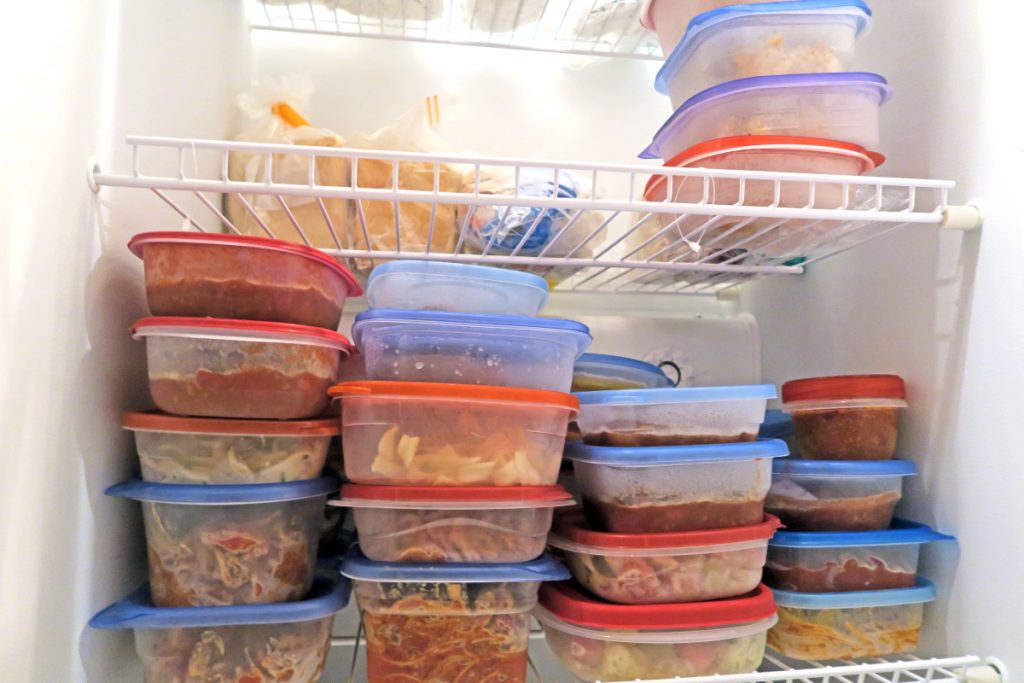 |
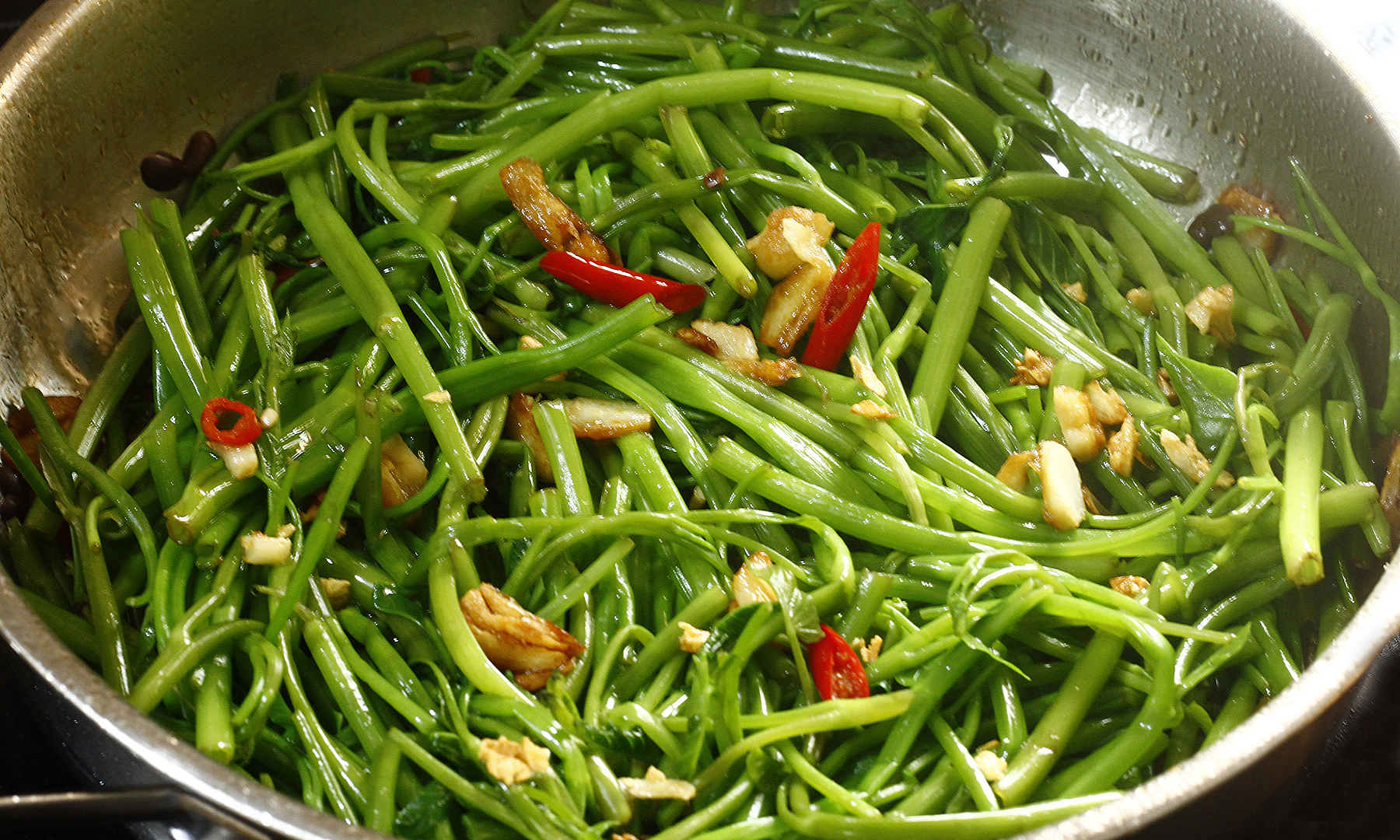
Illustrative photo: P31Maison.
According to the Hong Kong Centre for Health Protection, the incubation period for listeria can range from 3 to 90 days, with symptoms typically appearing about one to two weeks after infection. Patients often experience fever and headaches, sometimes accompanied by digestive issues such as nausea, vomiting, or diarrhea. The foods with the highest risk of contamination include cold cooked meats, ready-to-eat deli items, unpasteurized dairy products, and improperly stored leftovers.
Doctors state that during pregnancy, a woman's immune system undergoes significant changes, substantially reducing her resistance, which makes pregnant women over 10 times more susceptible to listeria infection compared to the general population. More dangerously, this bacterium can cross the placental barrier to directly attack the fetus, leading to premature birth, miscarriage, or stillbirth. Studies indicate that even if the mother experiences mild symptoms, the risk to the fetus remains high. Actual data shows fetal survival rates for infected fetuses are 0% in the first trimester and 29% in the second trimester, while it is about 95% in the third trimester. Even if born safely, newborns still face the risk of severe complications such as sepsis or meningitis.
This bacterium, however, has a weakness: "fear of heat." It is completely destroyed if heated to 60 to 70 degrees Celsius for about 10-15 minutes. Additionally, in a household kitchen, homemakers should use separate knives and cutting boards for raw and cooked foods to prevent cross-contamination. Pregnant women are also advised to avoid pre-made salads, sushi, unpasteurized milk products like soft cheeses, and frozen meats of unknown origin. Regular refrigerator cleaning with a neutral detergent and maintaining the habit of "eating fresh, cooking thoroughly" are crucial. Furthermore, leftovers should not be kept in the refrigerator for more than two days and must be thoroughly reheated before consumption.
Early symptoms of listeria infection, such as fever, muscle aches, and fatigue, are easily mistaken for common flu. If pregnant women experience unexplained fever or abnormal fetal movements after consuming cold-stored food, they must not self-medicate. Instead, they should go to the hospital for examination and proactively inform their doctor about their recent dietary history. This enables specialists to provide an accurate diagnosis, ensuring timely treatment during the "golden hour" to prevent unfortunate complications.
Binh Minh (According to Sina, Metropolitan Report)