Dr. Nguyen Huy Hoang, an internal medicine specialist and member of the Vietnam Undersea and Hyperbaric Medical Association, explains that heat-related illnesses range from heat cramps and heat exhaustion to heat stroke. Heat stroke is a critical medical emergency where the brain's thermoregulation fails, leading to an inability to sweat and a body temperature soaring above 40°C. Symptoms include hot, dry, red skin, and altered consciousness such as confusion, delirium, disorientation, seizures, or coma. "Without rapid cooling, there is a high risk of irreversible brain damage, liver failure, kidney failure, and death," Dr. Hoang warned.
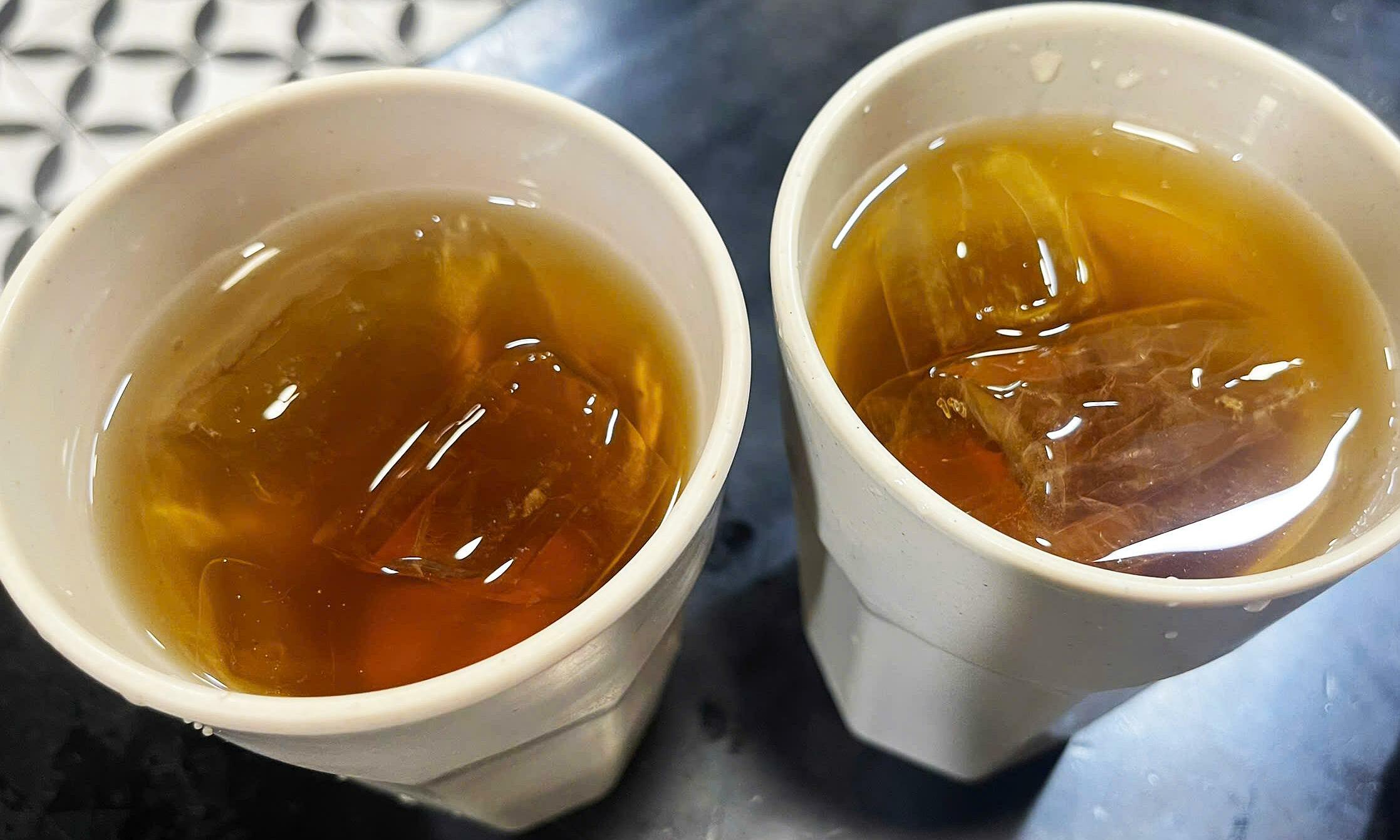
To mitigate heat stroke risk, hydrate with filtered water or diluted lemon water with a pinch of salt or honey to replenish electrolytes and provide vitamin C. Moderate consumption of coconut water offers natural potassium and sodium. Herbal drinks such as pennywort, fish mint, or weak green tea can provide cooling and mild diuretic benefits; however, ensure water hygiene and avoid excessive or overly concentrated intake. Limit carbonated soft drinks, energy drinks, and milk tea. Their high sugar content can cause blood sugar fluctuations, leading to energy "spikes and crashes" that impact mental stability and sleep.
Prioritize "cooling" and brain-healthy foods in family meals, including salmon, sardines, mackerel, walnuts, and flaxseeds. These support neuronal cell membrane structure, improving signal transmission, memory, and concentration. Add fruits like oranges, tangerines, blueberries, strawberries, broccoli, and turmeric to protect nerve cells from oxidative stress, which increases with high temperatures and stress. Include vitamin B-rich foods such as liver, lean meat, whole grains, and oats. These vitamins aid energy metabolism, nourish the nervous system, and boost endurance.
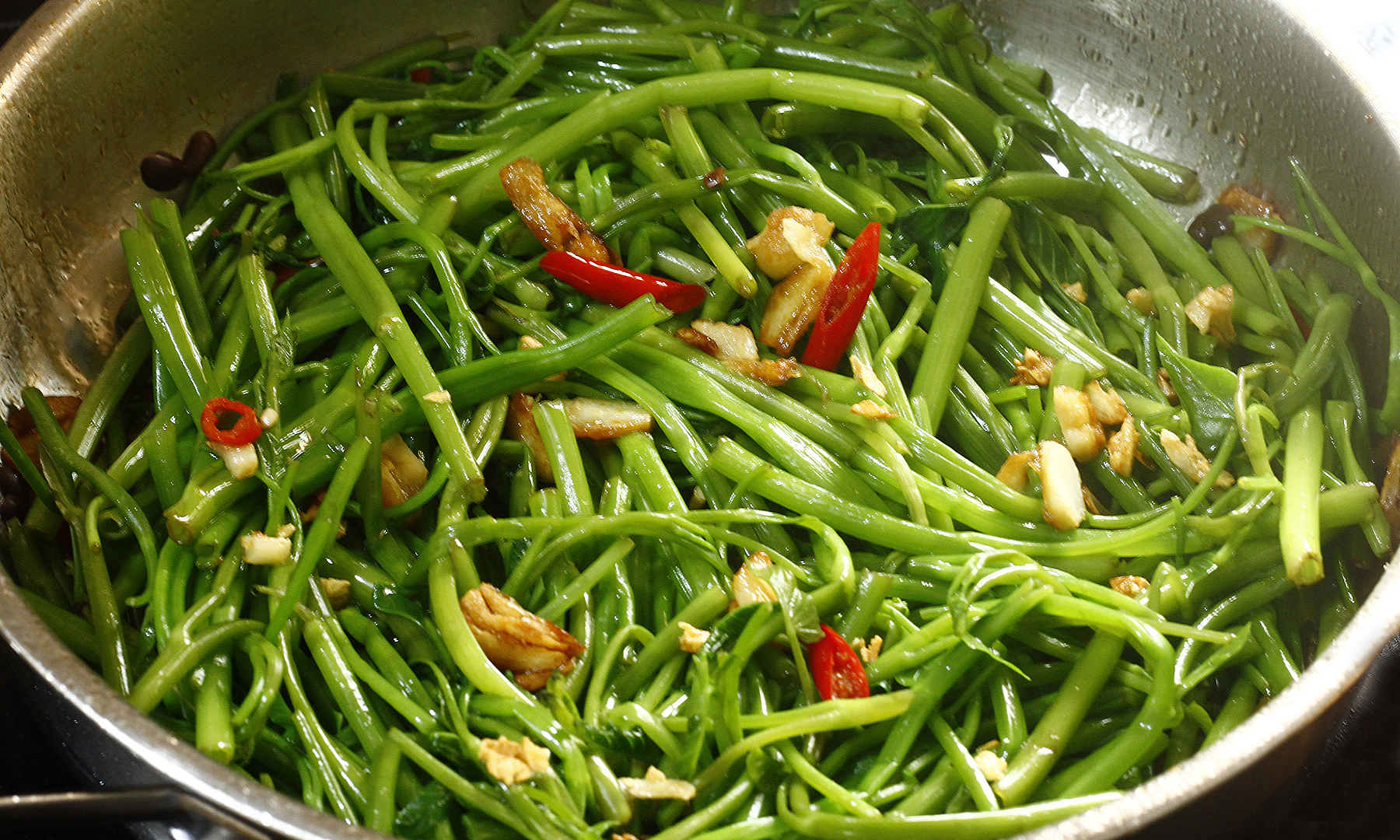
Opt for "cool, light, and nutritious" dishes: crab soup with jute mallow, squash soup with shrimp, fish soup with green vegetables, tofu, boiled vegetables, and fresh fruit. These provide hydration, vitamins, and minerals without the heaviness of fried foods. For dinner, light porridges like lotus seed, mung bean, or longan lotus seed (if no allergies) can promote relaxation and deeper sleep. Avoid excessively spicy, oily, and fast foods, which burden digestion and generate body heat.
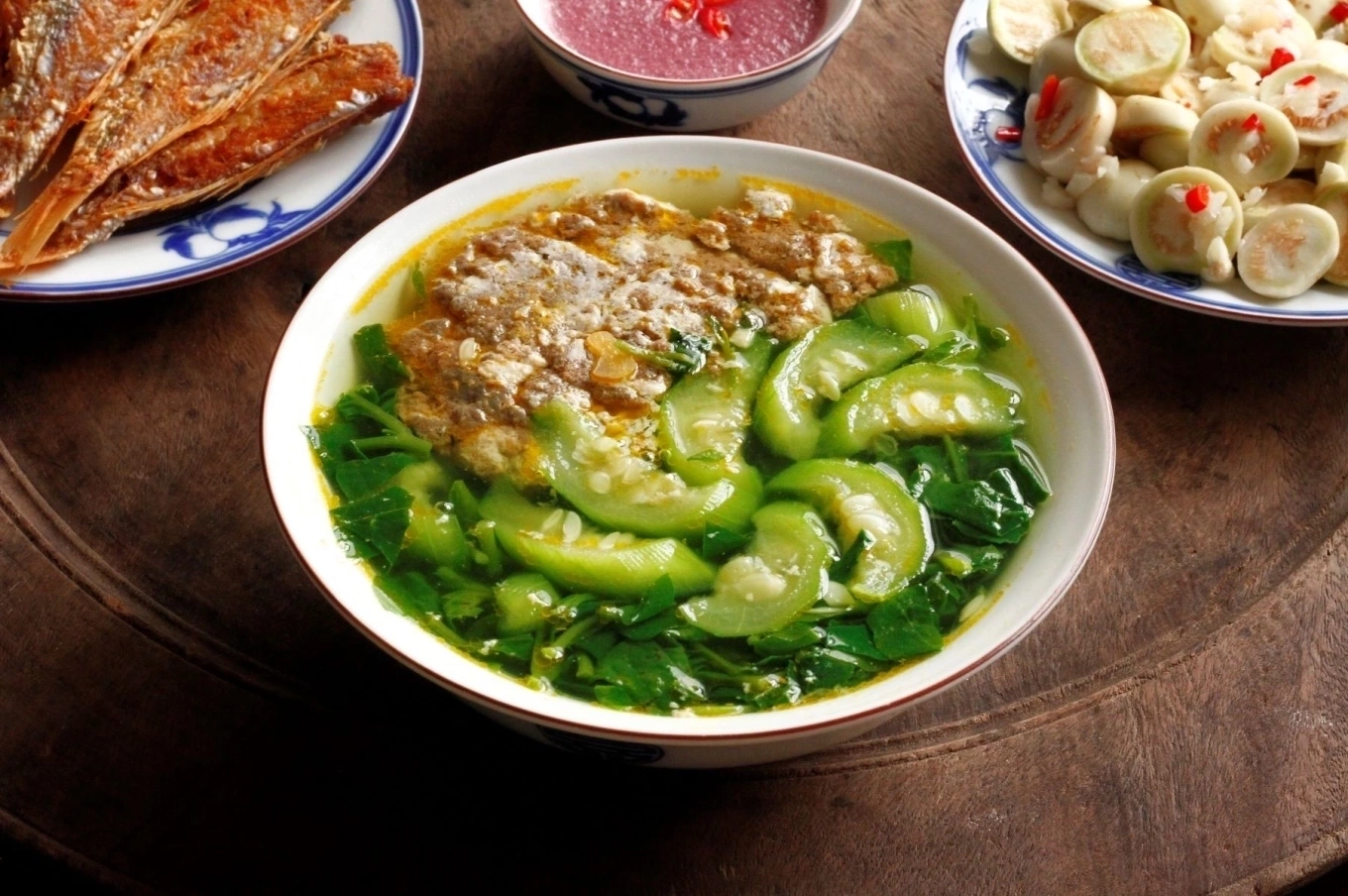 |
A cooling summer meal. Photo: Bui Thuy. |
Other cooling tips: during the day, close sun-facing windows and draw light-colored or blackout curtains to block heat. If ventilating, choose directions with minimal direct sun. Use a fan with a basin of ice water or a wet towel hung in front to create a cool, evaporative airflow. Air passing over cold water feels noticeably cooler. Mopping floors with cool water one or two times daily helps reduce surface heat, calming the air. In the evening, as outdoor temperatures fall, open windows and direct fans outwards to push hot air out, creating a pressure difference that draws in cooler outside air. Turn off unnecessary electrical appliances like incandescent lights and unused computers, as they generate heat and significantly warm the room.
Thuy An