Answer:
The meniscus is a crescent-shaped structure located between the thigh bone (femur) and the shin bone (tibia) in the knee joint. It plays a crucial role in absorbing and distributing force, reducing friction, and contributing to joint stability. Adolescents can experience meniscus tears, especially when participating in sports like basketball or football, often during sudden changes in direction or abrupt stops that cause the knee joint to twist. Traffic accidents or daily activities can also lead to meniscus tears. This condition causes joint swelling, deep pain inside the knee joint that worsens with movement, joint stiffness, or "locking"—a state where the knee becomes locked and cannot be fully bent or straightened.
In children and adolescents, the meniscus has a better capacity for self-healing compared to adults, thanks to a richer blood supply in certain areas. For individuals with minor meniscus tears, doctors prioritize conservative treatment, which includes rest, cold compresses, compression bandages, and elevating the leg to reduce swelling. Certain medications help alleviate pain and inflammation, while physical therapy strengthens muscles, improves joint range of motion, and reduces direct pressure on the meniscus, allowing the body to recover naturally.
If the meniscus tear is large, the patient experiences prolonged pain, recurrent swelling or joint locking, and conservative treatment is ineffective, doctors will recommend surgery to repair or partially remove the meniscus, depending on the extent of the damage. Meniscus surgery does not cause adolescents to be shorter or impact their height growth process because the meniscus is located within the knee joint, not in the growth plates at the ends of the femur and tibia—which are the cartilage structures involved in bone lengthening and contribute to a child's height.
Conversely, not undergoing meniscus surgery can indirectly affect a child's height and normal development due to prolonged injury leading to restricted movement. Joint locking, stiffness, recurrent inflammation, and chronic pain prevent adolescents from achieving recommended activity levels, thus failing to stimulate growth plates and reach their full height potential.
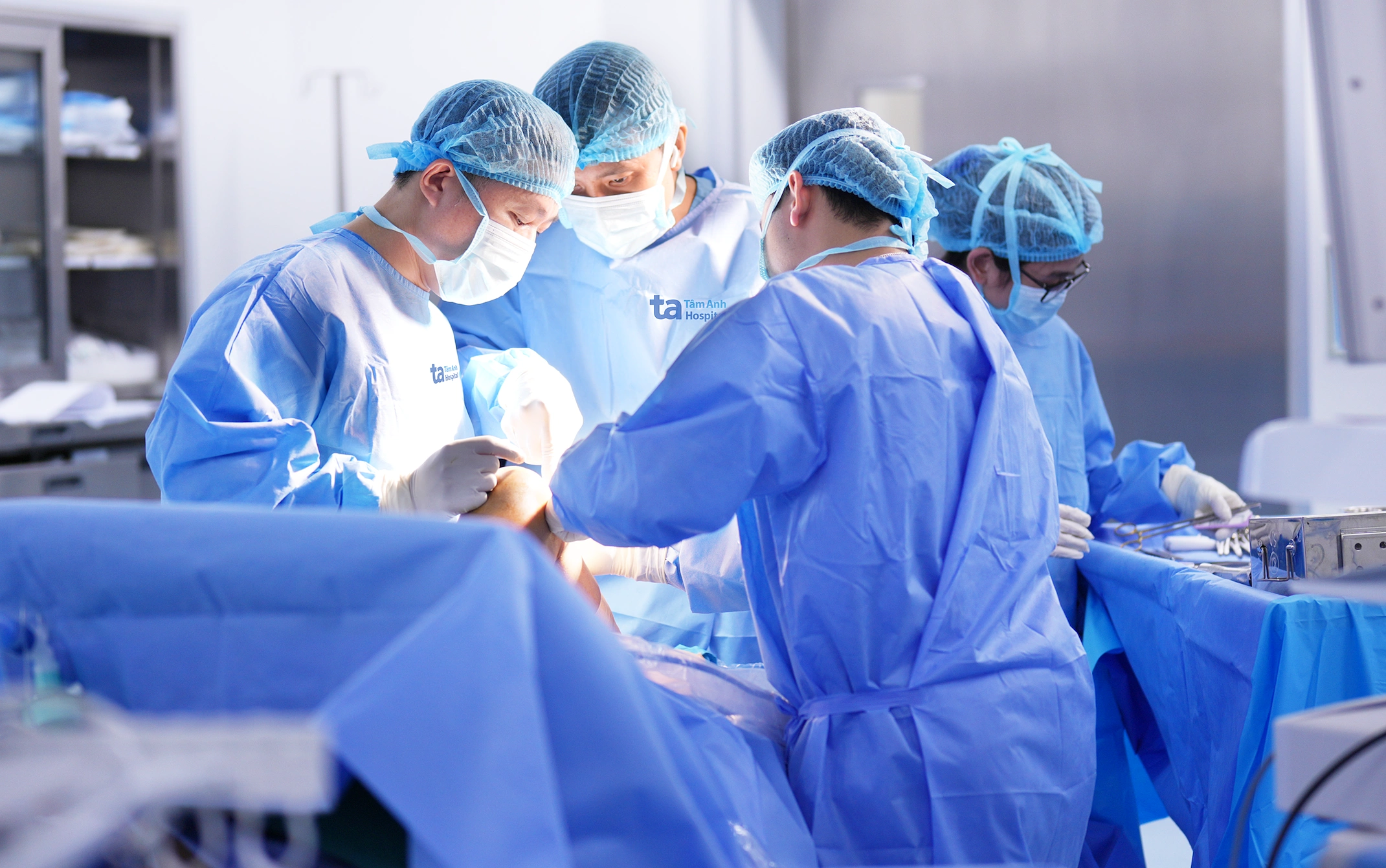 |
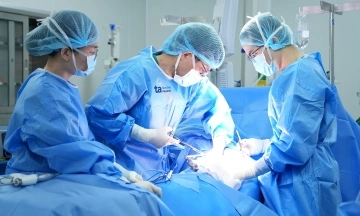
A surgical team performing meniscus repair for a patient. Illustration: Tam Anh General Hospital |
If you suspect your child has a meniscus tear, you should take them to a multi-specialty hospital with departments for diagnostic imaging, orthopedic trauma, physical therapy and rehabilitation, and nutrition. This ensures an accurate diagnosis and comprehensive, effective treatment.
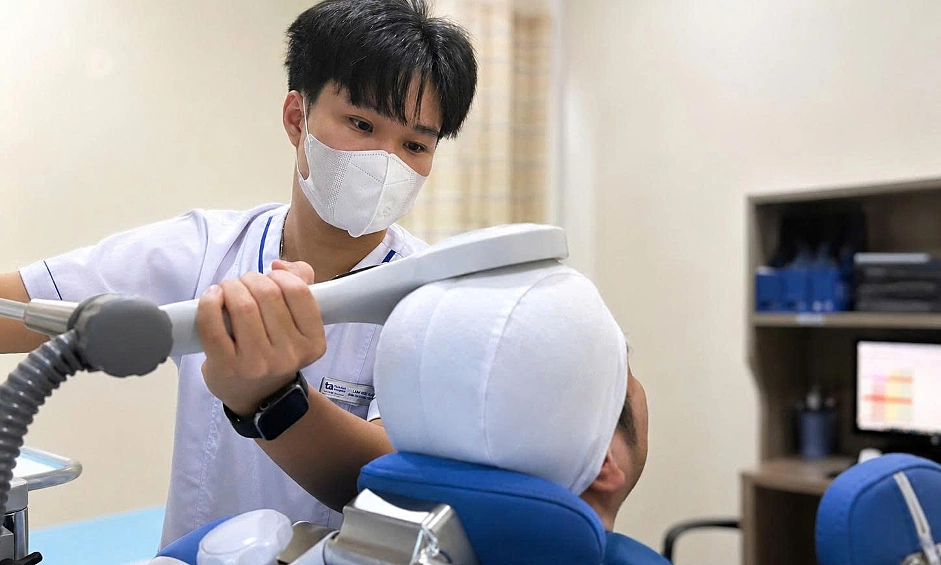
Meniscus repair surgery can be performed using arthroscopy, a minimally invasive method that preserves healthy tissue as much as possible. Post-surgery, patients experience significant pain reduction and rapid recovery. A nutritionist will design a suitable diet to prevent weight gain and reduce pressure on the meniscus during the healing process. Physical therapy and rehabilitation specialists develop a training regimen, incorporating devices like lasers, shockwave therapy, and electrotherapy to stimulate faster meniscus healing, helping patients quickly restore normal movement and daily activities.
Patients need to adhere to the rehabilitation program stage by stage and attend follow-up appointments as scheduled. After 3-6 months, doctors and physical therapists assess the meniscus's healing status and compare muscle strength using specialized measuring devices. Favorable results may allow the patient to return to sports.
Associate Professor, Doctor Che Dinh Nghia
Deputy Head of Orthopedic Trauma Department
Tam Anh General Hospital Hanoi
| Readers can send questions about musculoskeletal diseases here for doctors to answer |