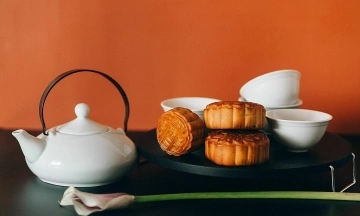
Japan is among the nations with the highest life expectancy globally. Notably, Okinawa prefecture is categorized as a "Blue Zone", an area where many residents live long lives and experience fewer chronic diseases. Experts attribute this longevity to healthy lifestyle choices. Below are five habits that contribute to the well-being of Japanese people in their later years.
Living with purpose
Ikigai, a philosophy originating from Okinawa, translates to finding a reason to wake up each day and enjoy life. According to Times of India, Japanese people believe that living a long life becomes more meaningful when individuals have their own goals and joys, whether it is tending a garden, spending time with family, or pursuing a long-held hobby.
Research also indicates that individuals with a clear sense of purpose often exhibit better mental health, reduced stress, and consistently maintain health-promoting habits.
Drinking matcha
Matcha, a concentrated form of green tea produced by grinding tea leaves into a fine powder, has been integral to Japanese culture for centuries. Tea bushes are shielded from sunlight for 20-30 days before harvest. This shading process increases chlorophyll concentration, giving the tea leaves a darker green hue and boosting amino acid production. After harvesting, stems and veins are removed, and the remaining leaves are ground into a fine powder. Because the entire tea leaf is consumed, matcha contains high levels of antioxidants along with vitamins A, C, and E.
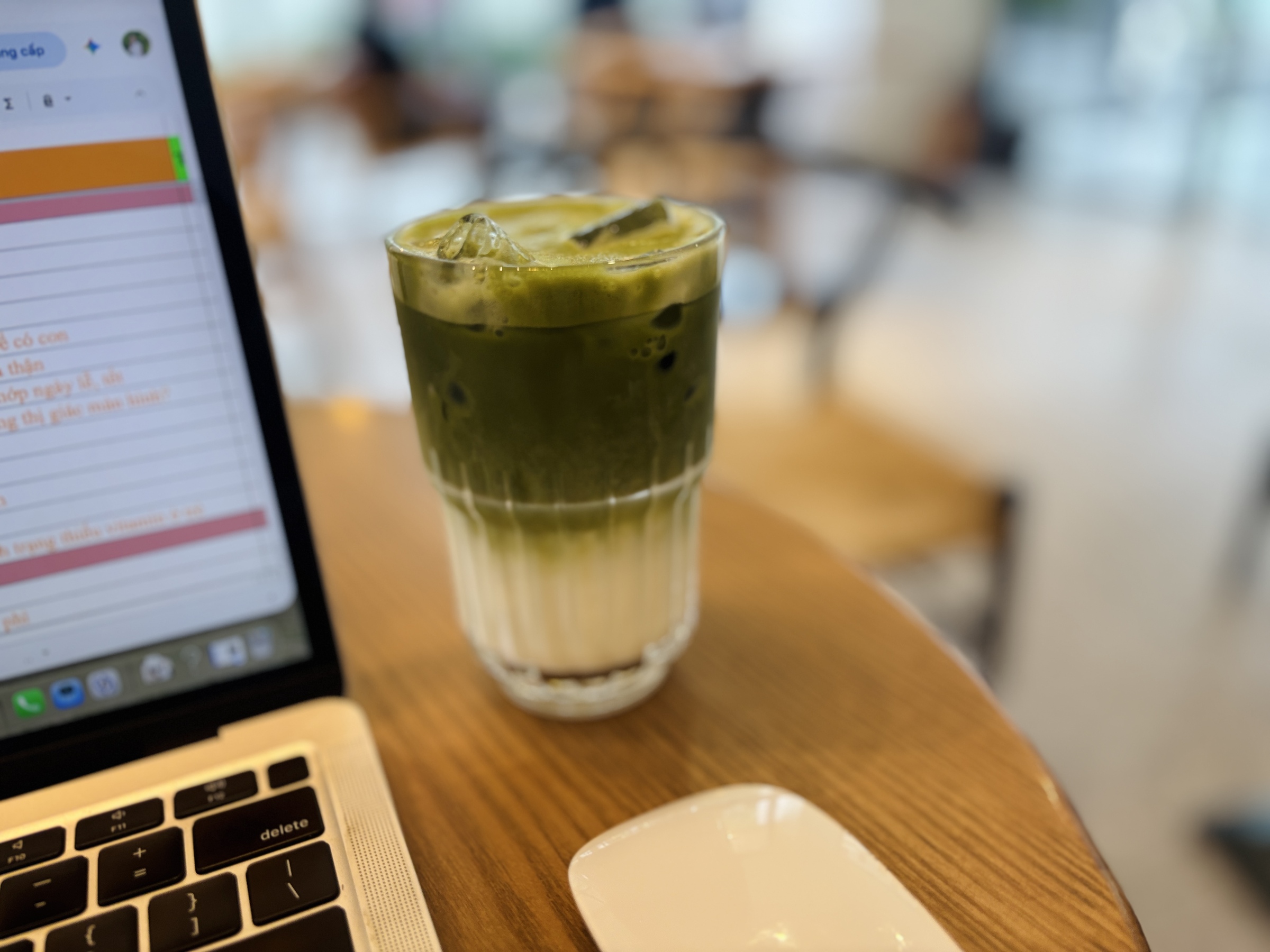 |
Matcha is rich in antioxidants, vitamins A, C, and E. Photo: Bao Bao
According to Verywell Health, matcha is particularly rich in catechins, especially EGCG, an antioxidant compound that can help reduce damage from free radicals and support cardiovascular health when consumed as part of a balanced diet. L-theanine, an amino acid found in matcha, can promote alertness while also inducing a sense of relaxation.
Eating until 80% full
Hara Hachi Bu is an ancient Okinawan eating principle that encourages stopping a meal when one feels approximately 80% full. This habit helps prevent overeating, supports weight management, and improves digestion. Eating slowly and paying attention to hunger and satiety signals also fosters more mindful eating habits.
Appreciating imperfection
Wabi-sabi, a renowned Japanese aesthetic philosophy, celebrates the beauty of simplicity and imperfection. Japanese people apply this philosophy by embracing a minimalist lifestyle, reducing the pressure to be perfect, and valuing the simple joys of daily life. This approach is believed to help reduce stress, leading to greater contentment with one's current life.
Spending time immersed in nature
Shinrin-yoku, or "forest bathing", is an activity involving spending time in nature to relax and rejuvenate. Shinrin-yoku is a deliberate, slow, and meditative practice.
Walking in the forest or immersing oneself in green spaces helps many individuals reduce anxiety, disconnect from electronic devices, and achieve greater mental clarity. This is one of the habits Japanese people maintain to balance work and life.
Bao Bao (Compiled)