Early puberty is a physiological process regulated by the hypothalamic-pituitary-gonadal axis, influenced by genetics, gender, nutritional status, weight, physical activity, and certain endocrine conditions. Among these factors, overweight and obesity are proven to increase the risk of early puberty, especially in girls.
A well-planned vegetarian diet can offer many health benefits. A diet rich in green vegetables, fruits, whole grains, and legumes provides fiber, vitamins, minerals, and antioxidants. This helps reduce the risk of overweight, cardiovascular disease, and type 2 diabetes in the future.
However, children in pre-puberty and puberty have increased nutritional needs to support the growth of height, muscle mass, bone mass, and brain development. Therefore, if choosing a vegetarian diet, the meal plan must be scientifically constructed.
Certain micronutrients like vitamin B12, D, iron, zinc, calcium, and long-chain omega-3 fatty acids (DHA, EPA) can be harder to obtain in a strict vegetarian diet. Prolonged deficiencies may affect physical growth, neurological development, and immune function.
Currently, there is no scientific evidence suggesting that a vegetarian diet prevents or slows puberty in children. If a child shows signs of suspected early puberty, identifying the cause is crucial, rather than making extreme dietary changes.
Some observational studies note that children with diets rich in animal protein in early life tend to experience earlier puberty, while diets rich in plant protein are associated with later puberty. However, these are only observational links and do not prove a causal relationship.
Parents should create a balanced, varied diet suitable for their child's age-specific needs. Children require sufficient protein, vitamins, and minerals for growth. They should increase their intake of green vegetables, fruits, whole grains, legumes, eggs, fish, and lean meat. Limit sugary drinks, fast food, and ultra-processed foods, as these increase the risk of overweight.
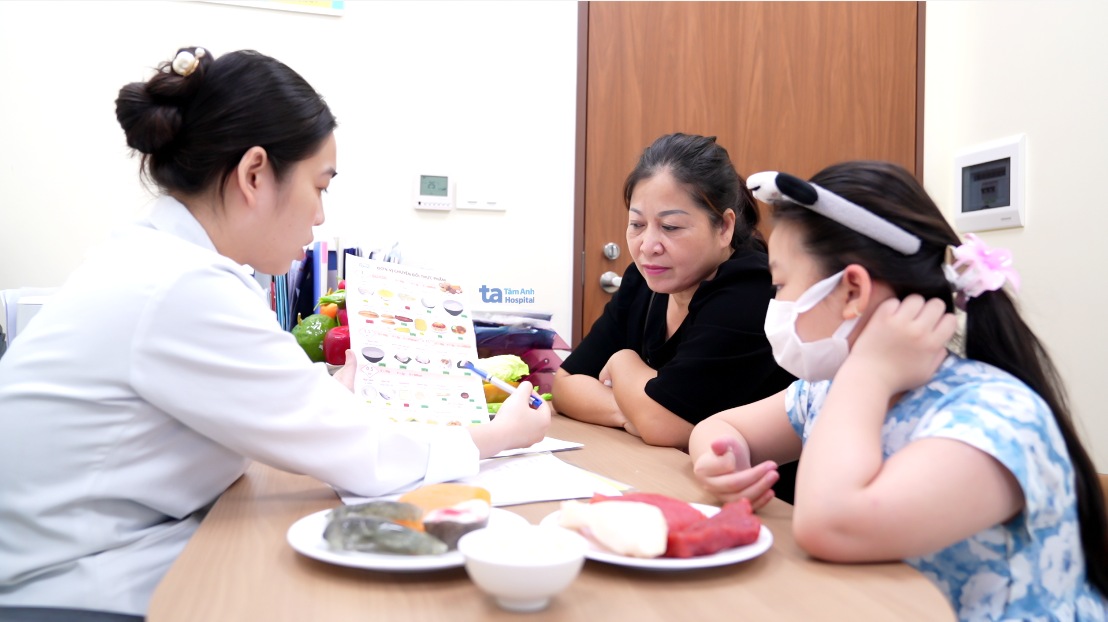 |
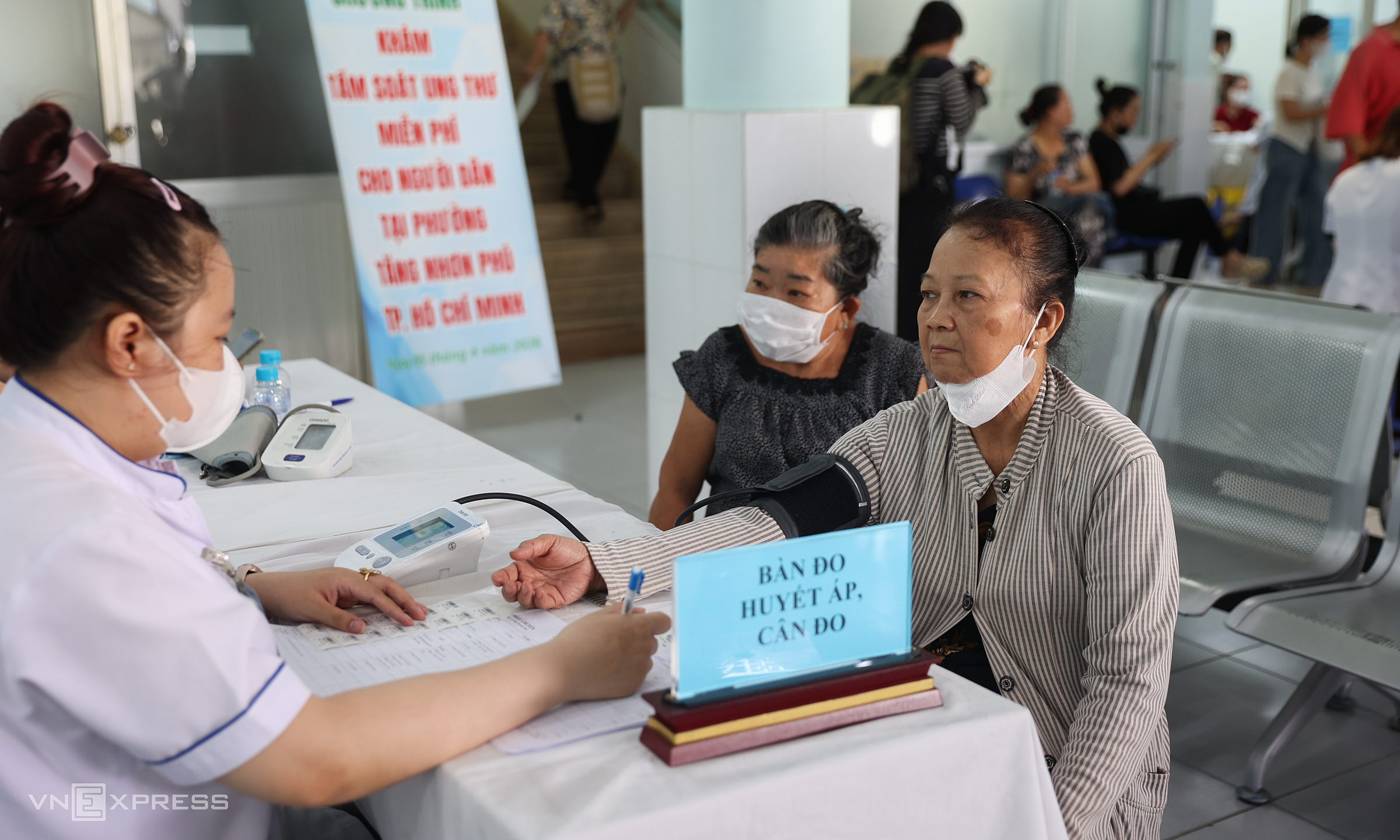
Doctor Tra Phuong advises a parent. Illustration: Bui Viet |
Your 7-year-old daughter, who has started breast development, needs to be examined by a pediatric endocrinologist to determine if she is truly experiencing early puberty. In overweight children, fat tissue development in the chest area can sometimes be mistaken for breast development by parents. The doctor will assess the Tanner stage (a five-stage medical scale for evaluating physical and sexual maturity in adolescents), height growth rate, bone age, hormone levels if necessary, and perform an ultrasound to identify the cause before deciding on treatment.
If the family chooses a vegetarian diet that includes milk and eggs (lacto-ovo vegetarian), it is often easier to meet a child's nutritional needs than a vegan diet. The meal plan should include a variety of legumes, soy products, whole grains, milk, and eggs. Parents should regularly monitor growth and the risk of deficiencies in micronutrients such as vitamin B12, iron, vitamin D, calcium, and zinc, providing supplements when needed.
In addition to diet, parents should encourage children to engage in physical activity for at least 60 minutes daily and get enough sleep. These factors contribute to maintaining metabolic health and supporting a child's normal development.
Doctor Tran Thi Tra Phuong
Nutrition Unit
Tam Anh Cau Giay General Clinic
| Readers can send nutrition questions here for doctor replies |