Oats, rich in soluble fiber, vitamins, minerals, and antioxidants, contribute to improving blood lipid levels. However, they serve only as a supportive measure and cannot replace prescribed medication.
The beta-glucan fiber in oats forms a gel in the digestive tract, which can reduce cholesterol absorption and increase bile acid excretion. The liver then uses blood cholesterol to produce new bile acids, helping lower low-density lipoprotein (LDL) or "bad" cholesterol. This fiber also stabilizes post-meal blood sugar, promotes satiety, and supports a healthy gut microbiome.
The effectiveness of improving blood lipids and lowering LDL cholesterol depends on beta-glucan intake. Research indicates that at least 3 g of beta-glucan daily is needed to reduce blood cholesterol. This amount is equivalent to about 75 g of whole oats, though beta-glucan content varies by oat type and product.
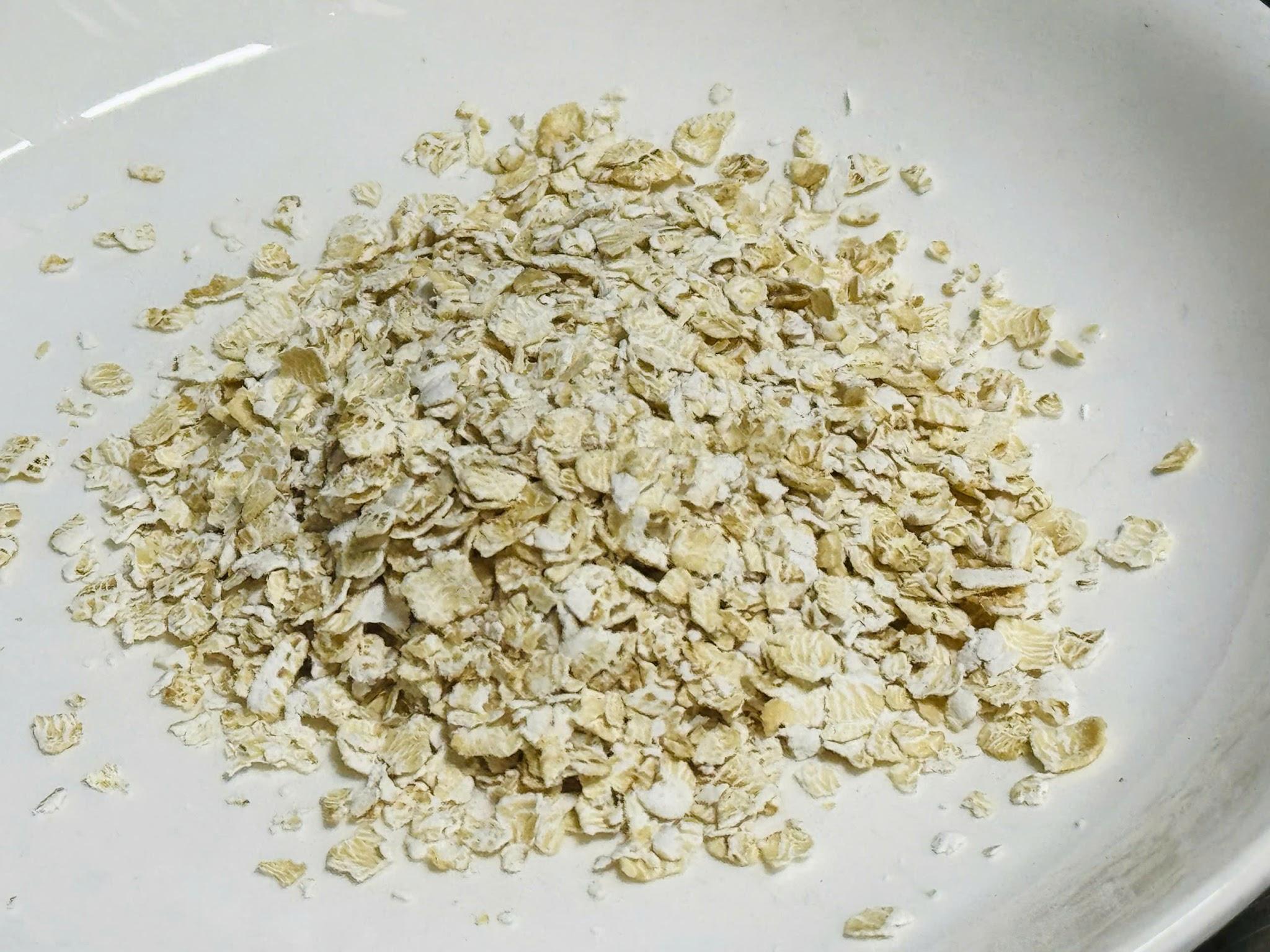 |
When incorporated into a healthy diet, oats can contribute to improving blood lipid levels. *Photo: Ly Nguyen*
However, not all oat products offer the same benefits. Prioritize whole, rolled, or steel-cut oats, as they retain more fiber. Many instant oats or breakfast cereals, conversely, contain added sugar and flavorings, which can increase sugar and calorie intake, diminishing their cardiovascular benefits.
Preparation is also crucial. A bowl of oats cooked with low-fat or unsweetened milk, fresh fruit, or nuts is preferable to adding excessive sugar, condensed milk, cream, or sweet toppings.
While incorporating oats into your diet is a positive step, it is insufficient for blood lipid control without other measures. Individuals should maintain a balanced diet rich in green vegetables, fruits, legumes, whole grains, fish, and nuts. Simultaneously, limit foods high in saturated fats: animal fats, fatty meats, butter, cream, cheese, whole milk, and organ meats; trans fats: fried foods, fast food, and pastries; processed meats; and sugary drinks. Engage in at least 150 minutes of physical activity weekly, manage weight, blood pressure, blood sugar, and avoid smoking.
A follow-up examination and blood lipid test are recommended after 2-3 months to assess cholesterol changes. If cholesterol remains elevated, a doctor will thoroughly evaluate risk factors, including family history, overweight, hypertension, diabetes, smoking, or physical inactivity, to devise a suitable treatment plan.
For individuals with high cardiovascular risk or existing cardiovascular disease, dietary and lifestyle modifications are only one component of treatment. Many cases still necessitate prescribed lipid-lowering medication to mitigate the risk of cardiovascular events.
Nguyen Thi Thu Huyen, Bachelor of Nutrition
Department of Nutrition
Tam Anh Hanoi General Hospital
| Readers can submit questions about cardiovascular health here for expert answers. |