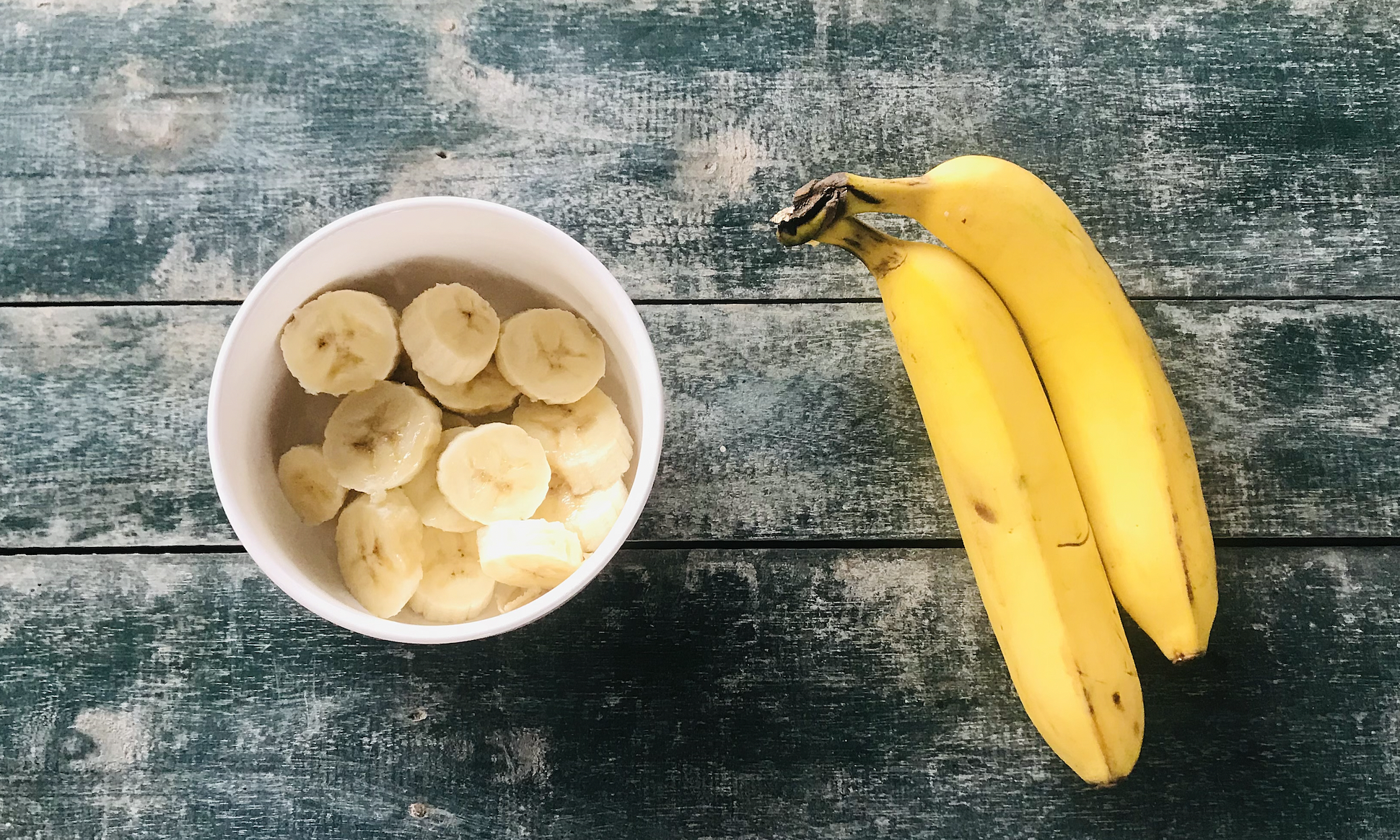
A healthy gut enables the body to digest and absorb nutrients efficiently. However, certain habits adopted within the first few hours after waking can adversely affect the digestive system. Below are common morning mistakes many people make.
Delaying bowel movements
According to Eating Well, regularly holding stool disrupts the gut's natural rhythm. Over time, this weakens the defecation reflex and reduces bowel motility, increasing the risk of constipation, bloating, and discomfort. If this habit persists, bowel movements can become difficult, raising the risk of hemorrhoids. It is advisable to respond to the body's urge to defecate immediately to maintain healthy gut function.
Skipping breakfast
After a long night without food, the body requires energy and nutrients to kickstart daily activities. Prolonged fasting can disrupt the gut's circadian rhythm, leading to irregular bowel movements and increasing the risk of constipation for some individuals.
When the body receives sufficient fiber from whole grains, vegetables, fruits, or legumes, beneficial bacteria have the nutrition needed to thrive. Conversely, frequently skipping breakfast often results in a diet lacking important nutrients, which affects the balance of the gut microbiota.
It is recommended to eat breakfast within one to two hours of waking, ensuring a balanced intake of carbohydrates, protein, healthy fats, fiber-rich foods, and vitamins.
 |
Drinking coffee before breakfast can affect digestion. Illustration: Hang Tran |
Drinking coffee on an empty stomach
Many people habitually drink coffee immediately after waking to start their day. However, consuming this beverage before eating may not be suitable for those with sensitive stomachs or digestive systems.
Drinking coffee on an empty stomach increases gastric acid secretion, causing a gnawing, burning sensation and stimulating reflux. Some individuals may experience discomfort or a burning feeling in the upper abdomen. For people with gastritis or gastroesophageal reflux disease (GERD), this habit can exacerbate symptoms, according to the Times of India.
Eating processed foods for breakfast
Many choose sausages, bacon, instant noodles, packaged pastries, or pre-made sandwiches for breakfast due to their convenience. These foods often contain high levels of salt, sugar, and saturated fats, while being low in fiber. Such a diet can reduce the diversity of gut microbiota, creating an environment conducive to the growth of harmful bacteria.
When the gut microbiota is imbalanced, digestion can be affected, leading to symptoms like bloating, indigestion, or constipation. In the long term, a diet high in processed foods is also linked to a higher risk of obesity, type 2 diabetes, and certain cardiovascular diseases.