Cereals provide complex carbohydrates, fiber, and essential micronutrients crucial for children's growth. This food group, rich in complex carbohydrates, helps maintain energy levels, enhance concentration, stabilize blood sugar, and reduce the risk of cardiovascular disease and cancer. Cereals typically have a soft, easily digestible texture, making them suitable for a baby's developing digestive system.
Master of Science, Doctor, Level II Specialist Vu Dinh Phuong An, a pediatrician at Tam Anh General Clinic District 7, advises parents to introduce cereals to children from six months old, usually starting with oats or rice. At this stage, infants begin complementary feeding, and their digestive systems can process these foods. Prioritize whole grains over refined cereals (like white flour) to retain fiber and vitamins. Children should consume different types of cereals, such as the five listed below, on a rotating basis to ensure a diverse intake of nutrients.
Oats
Oats are rich in soluble fiber, promoting a healthy digestive system and preventing constipation. This food also contains iron, zinc, and B vitamins, which support brain development and boost immunity. Parents can prepare oatmeal porridge, make oat cookies, or mix oats with yogurt and fruit for children's breakfast or snacks.
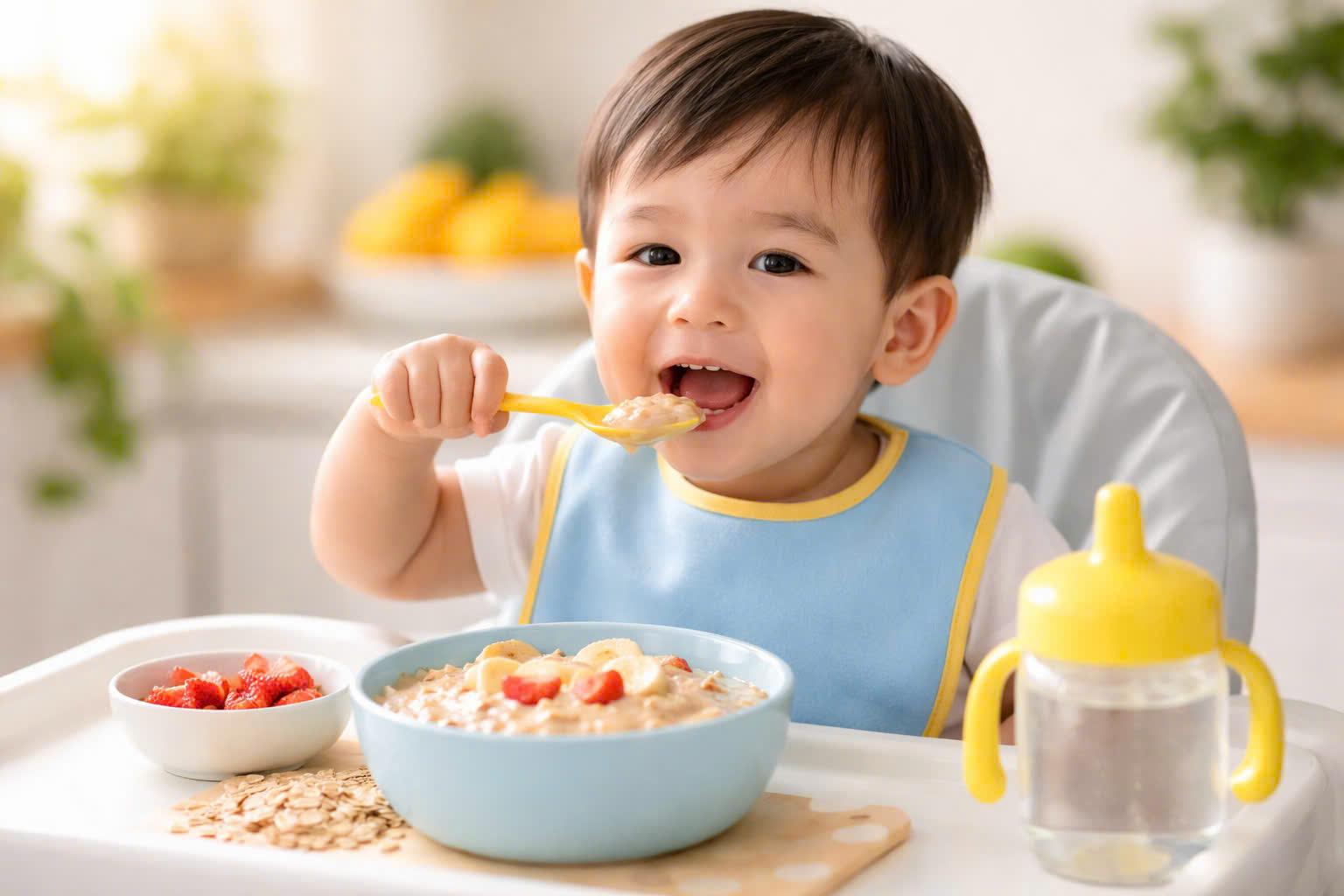 |
Children can have oats for breakfast or a snack. *Photo created by AI*
Quinoa
Quinoa contains complete protein with nine essential amino acids that the body cannot synthesize on its own. It is also rich in calcium, magnesium, and iron, contributing to strong bones and healthy blood. This grain is gluten-free, making it safe for children with allergies. Parents can cook quinoa with rice, add it to salads, or prepare it in soups.
Millet
Millet is easily digestible, making it highly suitable for children with sensitive digestive systems or those just starting complementary feeding. This grain has high levels of lecithin and choline, which are beneficial for nervous system development and memory. Parents can use millet to cook porridge, sweet soup, or grind it into flour for baking.
Brown rice
Brown rice retains its nutrient-rich bran and germ layers, containing many B1, B3, B6 vitamins, and minerals like manganese and magnesium. The fiber in brown rice helps stabilize blood sugar and provides sustained energy for children's activities throughout the day. Children can eat brown rice instead of white rice, cook it as porridge, or grind it into cereal flour. For children under two years old, parents should finely grind or cook it very soft, as their digestive system is not yet fully developed to handle the coarse husk of this cereal.
Barley
Barley is rich in fiber and antioxidants, which enhance cardiovascular health, support children's immune systems, and reduce diarrhea or digestive disorders. Parents can prepare barley as soup or add it to stews, and offer barley water for children to drink.
When introducing a new cereal, parents should offer a small amount and monitor the child for two to three days. Prepare natural cereals and avoid packaged, processed foods that contain high sugar levels and preservatives. If a child has sensitivities or allergies, parents should consult a doctor for detailed advice.
Dinh Lam
| Readers can submit questions about neonatal pediatrics here for doctor answers |