 |
The thyroid gland, a small organ in the neck, plays a vital role in regulating metabolism, heart rate, body temperature, and energy levels. A balanced diet can help manage symptoms like fatigue, weight gain, constipation, or hair loss in people with thyroid disease.
Selenium-rich foods
Selenium is a mineral that helps the body convert thyroid hormones into their active form and protects the thyroid from oxidative stress damage.
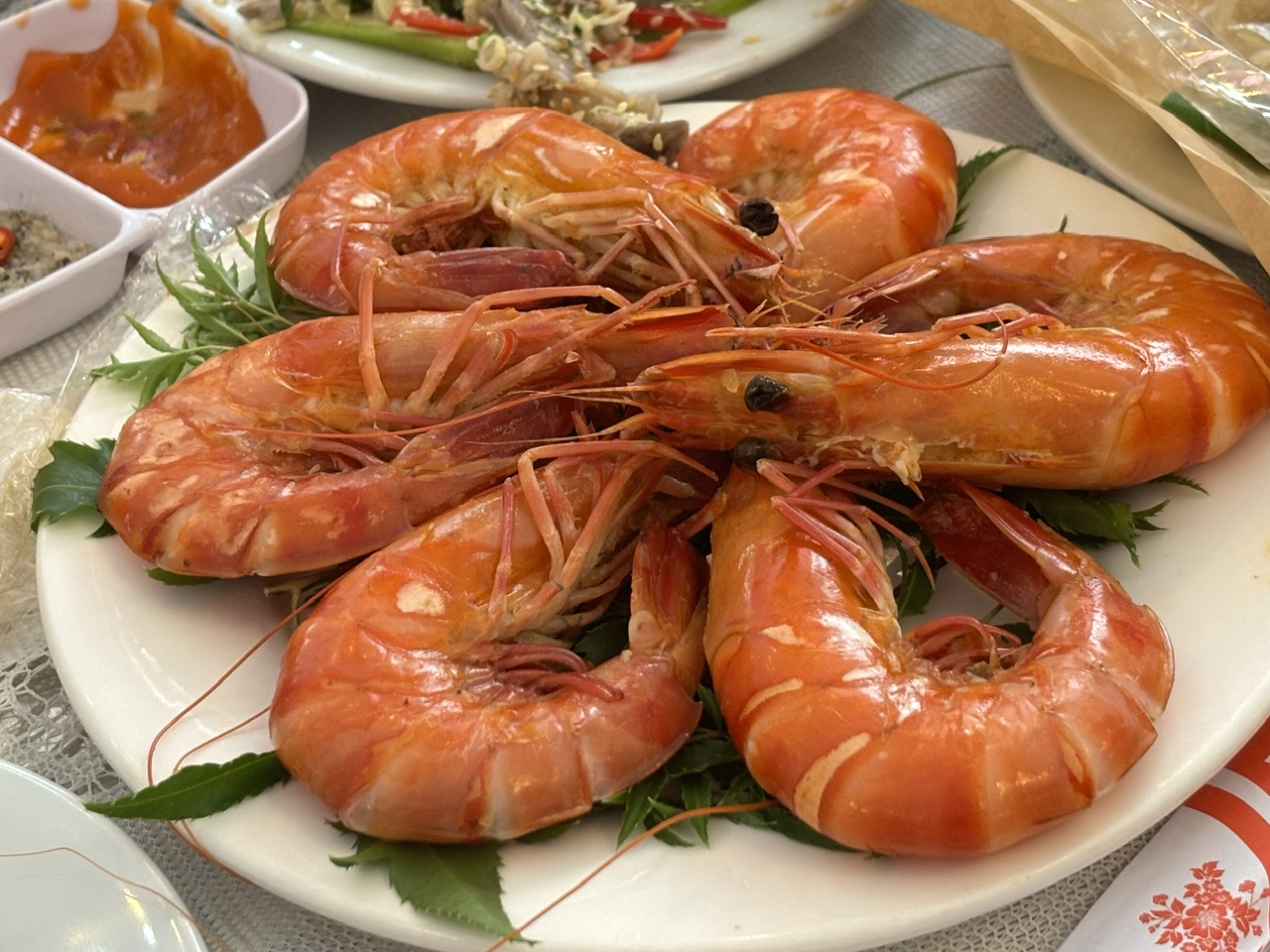
According to Healthline, adequate selenium intake can support thyroid function, especially in individuals with autoimmune hypothyroidism. Foods rich in selenium include tuna, sardines, shrimp, eggs, chicken, sunflower seeds, brown rice, and Brazil nuts.
 |
Zinc-rich foods
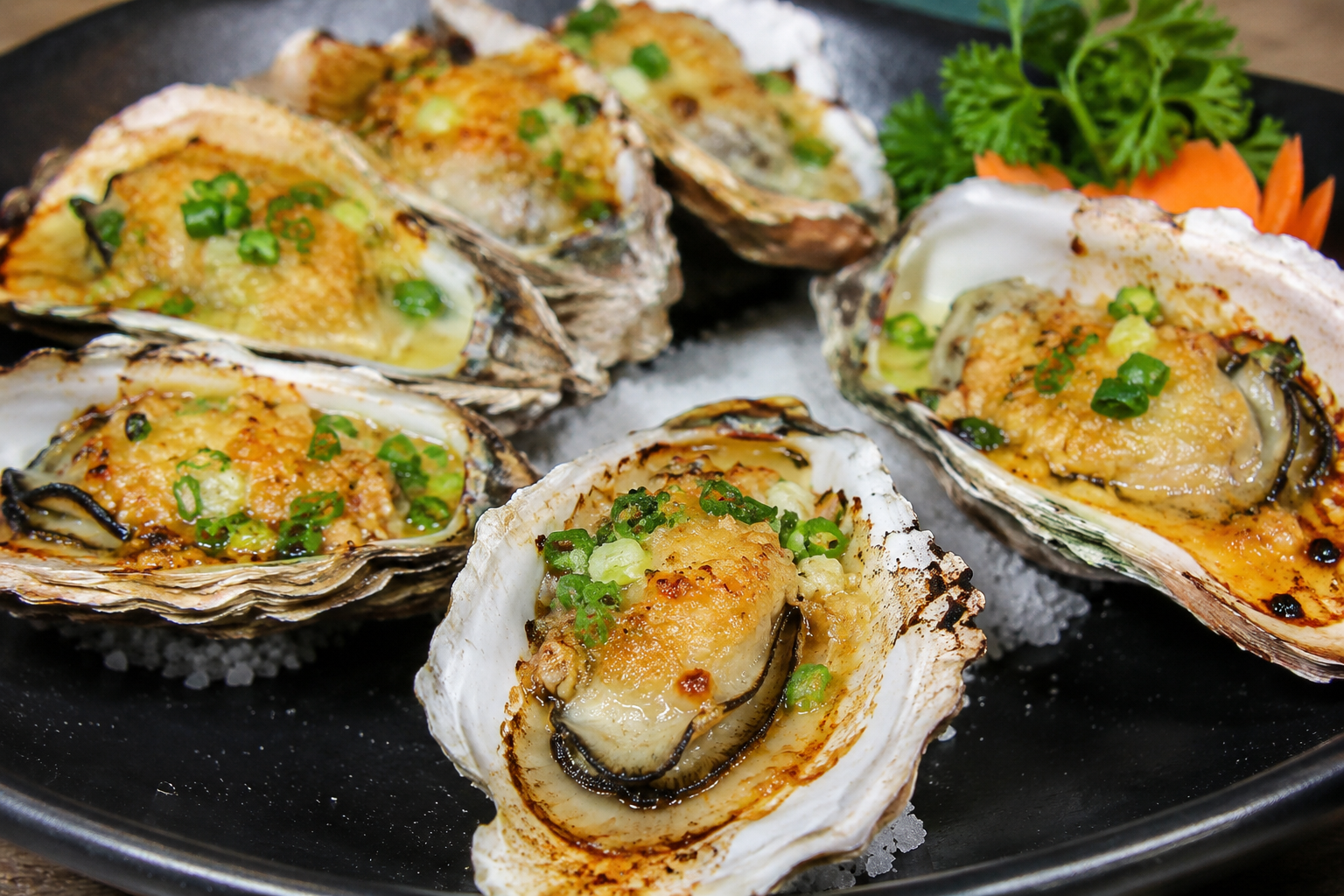
Zinc aids the body in synthesizing thyroid hormones and maintaining immune function. Zinc deficiency can worsen hypothyroidism. Some zinc-rich foods include oysters, lean beef, poultry, pumpkin seeds, beans, lentils, yogurt, fish, eggs, and lean protein.
 |
Protein-rich foods
Individuals with hypothyroidism often experience weight gain and fatigue due to a slower metabolism. A protein-rich diet can help maintain muscle mass and promote satiety.
Suitable options include salmon, eggs, chicken, beans, and lentils. Besides protein, fatty fish also provides omega-3s, which are beneficial for heart health and have anti-inflammatory properties.
 |
Nuts and whole grains
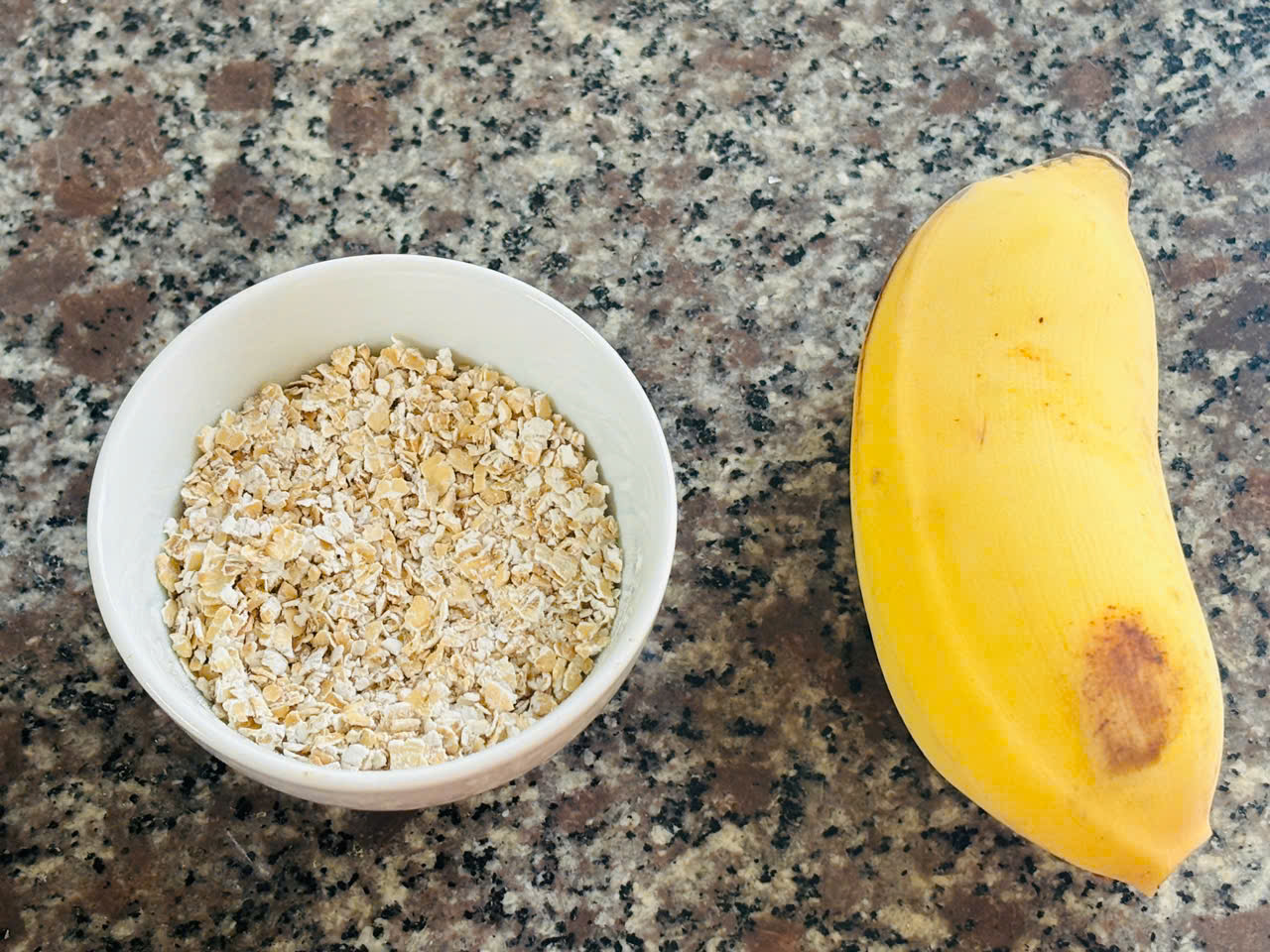
Whole grains and nuts provide magnesium, B vitamins, and healthy fats that support metabolism. Patients can choose oats, brown rice, buckwheat, almonds, chia seeds, and flaxseeds.
 |
Fiber-rich vegetables and fruits
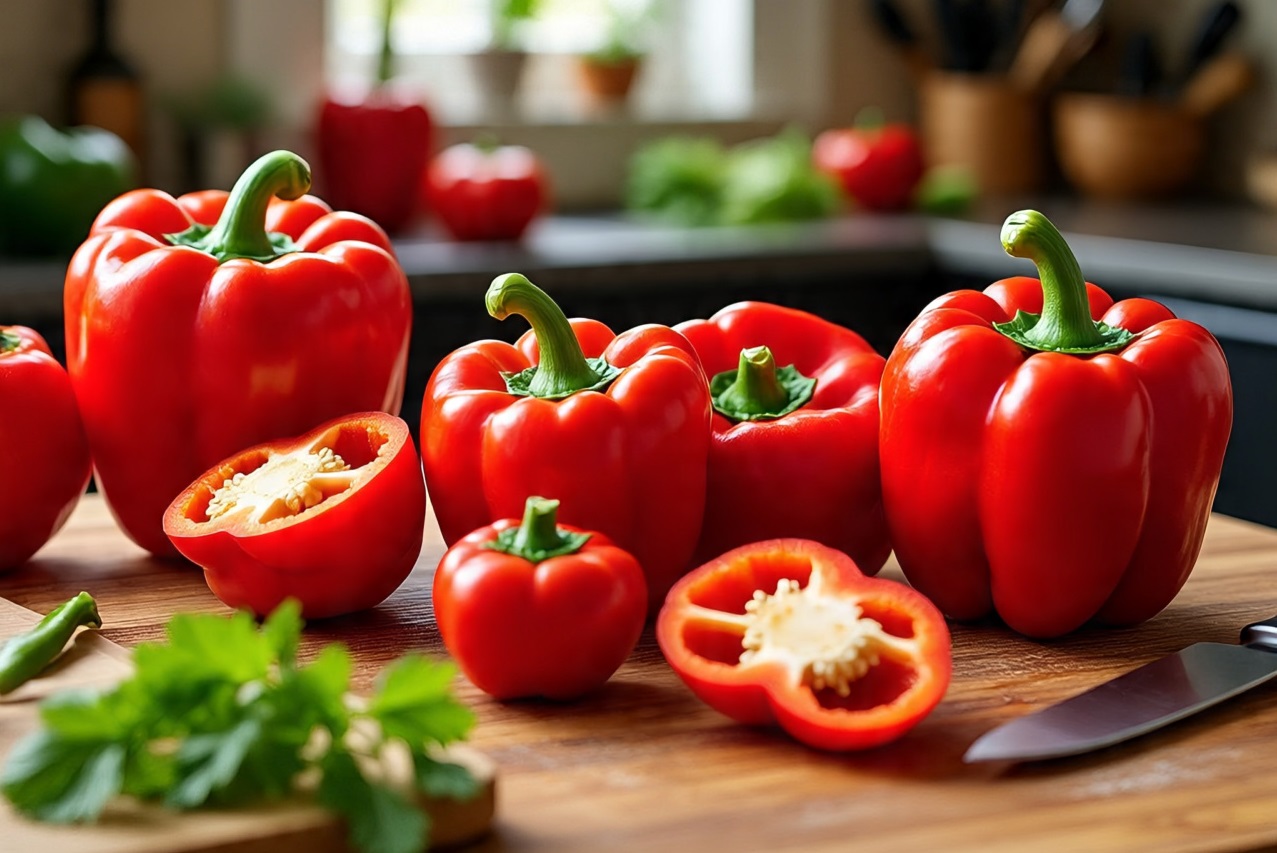
According to Medical News Today, individuals with hypothyroidism may experience constipation. A fiber-rich diet can aid digestion and weight management. Recommended foods include leafy green vegetables, carrots, zucchini, bell peppers, apples, berries, and pears.
By Bao Bao (Compiled)
Photos: AI, Bao Bao