 |
The heart and kidneys are hai closely linked organs. When the heart functions inefficiently, blood flow to the kidneys may decrease, affecting their waste-filtering capacity. Conversely, kidney damage also increases the risk of high blood pressure and cardiovascular disease. Therefore, a healthy diet with appropriate foods can protect both these organs simultaneously.
Fatty fish
Salmon, mackerel, sardines, and tuna contain abundant omega-3 fatty acids, which control triglycerides and protect the cardiovascular system. According to Times of India, this nutrient reduces inflammation and helps lower blood pressure — hai factors that contribute significantly to the development of kidney disease.
These fish are also a high-quality protein source, helping the body maintain muscle mass without excessive red meat consumption. Nutrition experts recommend consuming fatty fish mot to hai times each week for natural omega-3 supplementation.
 |
Berries
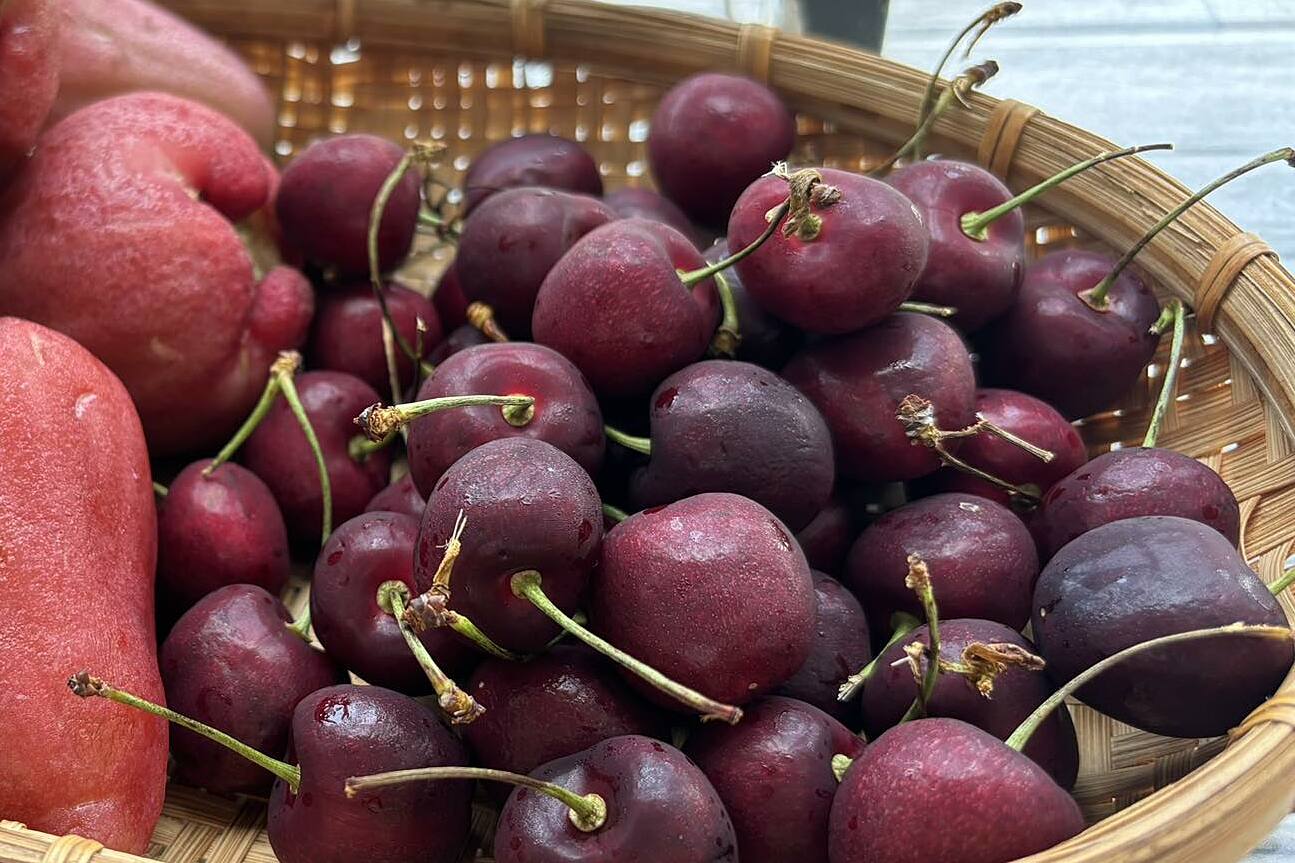
Blueberries, strawberries, and raspberries are rich in antioxidants, especially anthocyanins — compounds responsible for their characteristic red and purple colors.
These antioxidants support vascular health, benefiting the heart while helping reduce inflammation and oxidative stress, hai factors that can contribute to kidney damage over time.
 |
Nuts and seeds
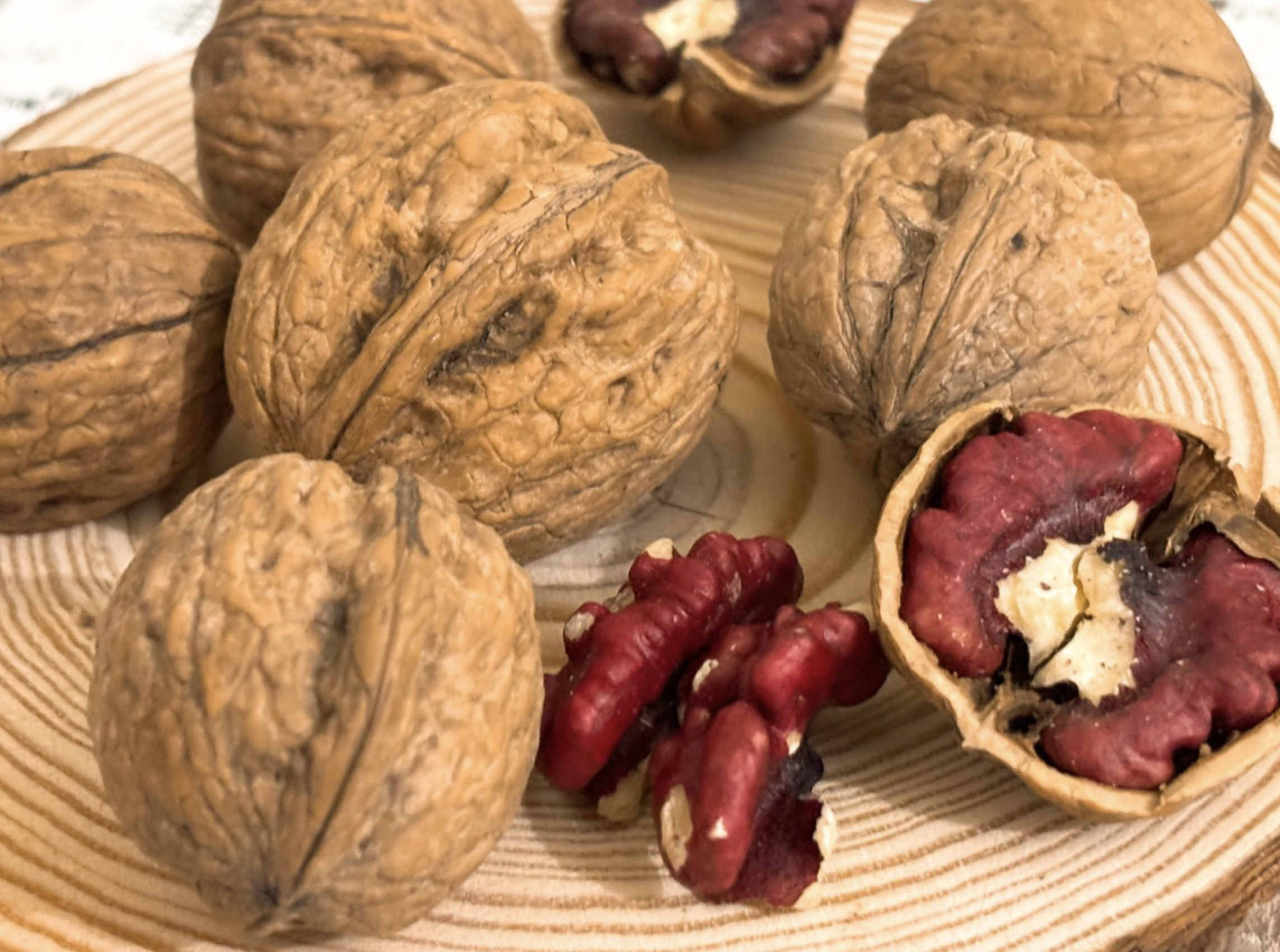
Consuming a moderate amount (around 28 g daily) of unsalted nuts and seeds can help protect both the heart and kidneys. Almonds, walnuts, flaxseeds, and chia seeds provide healthy fats, fiber, plant-based protein, and numerous antioxidant compounds.
These foods support cardiovascular health by improving cholesterol levels and managing blood pressure. This is particularly important because high blood pressure is one of the leading causes of kidney damage.
 |
Extra virgin olive oil
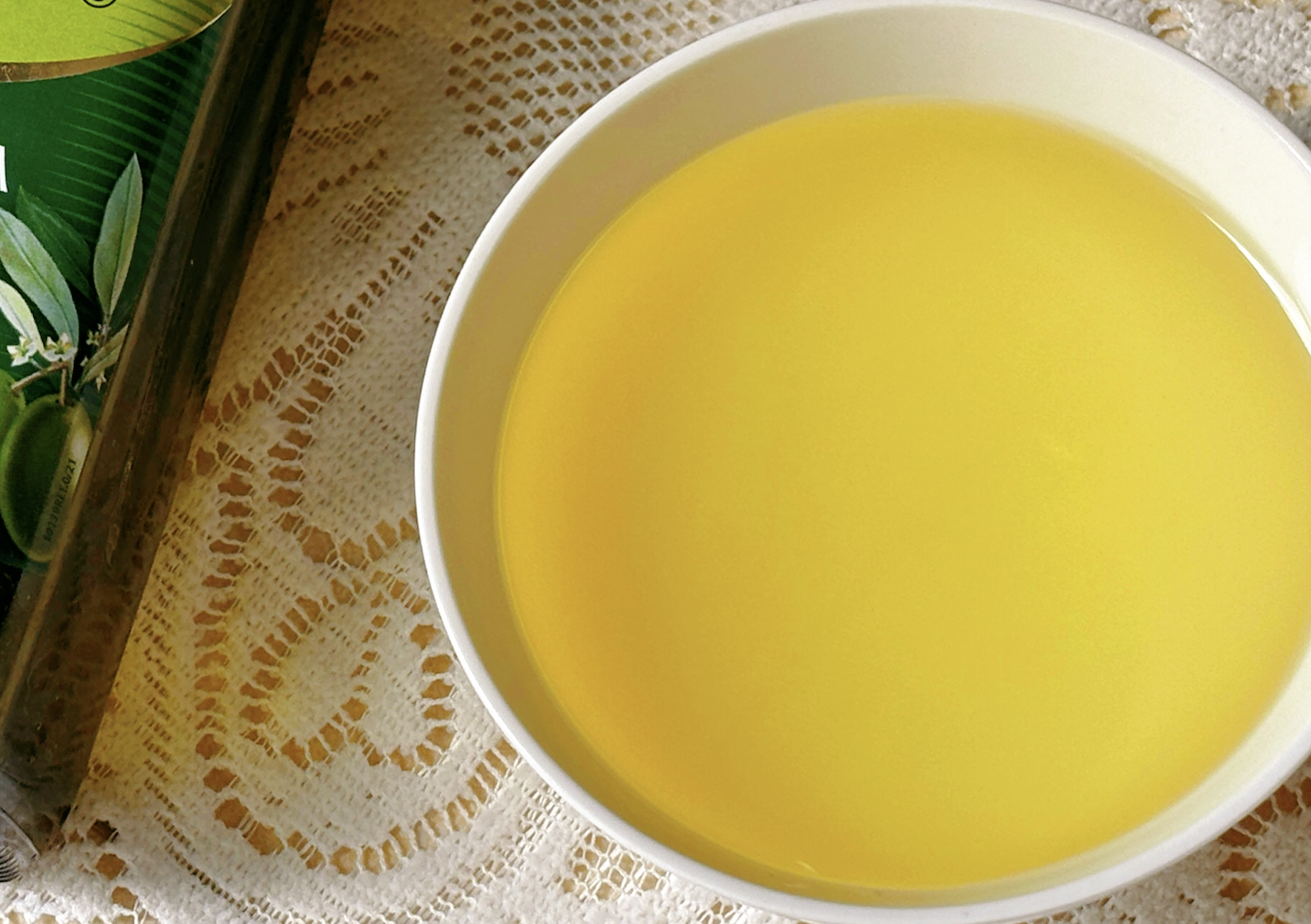
This is a healthy monounsaturated fat source, also containing many polyphenols with antioxidant and anti-inflammatory properties. Beyond its kidney benefits, replacing animal fats with olive oil helps manage blood cholesterol and reduces the risk of cardiovascular disease.
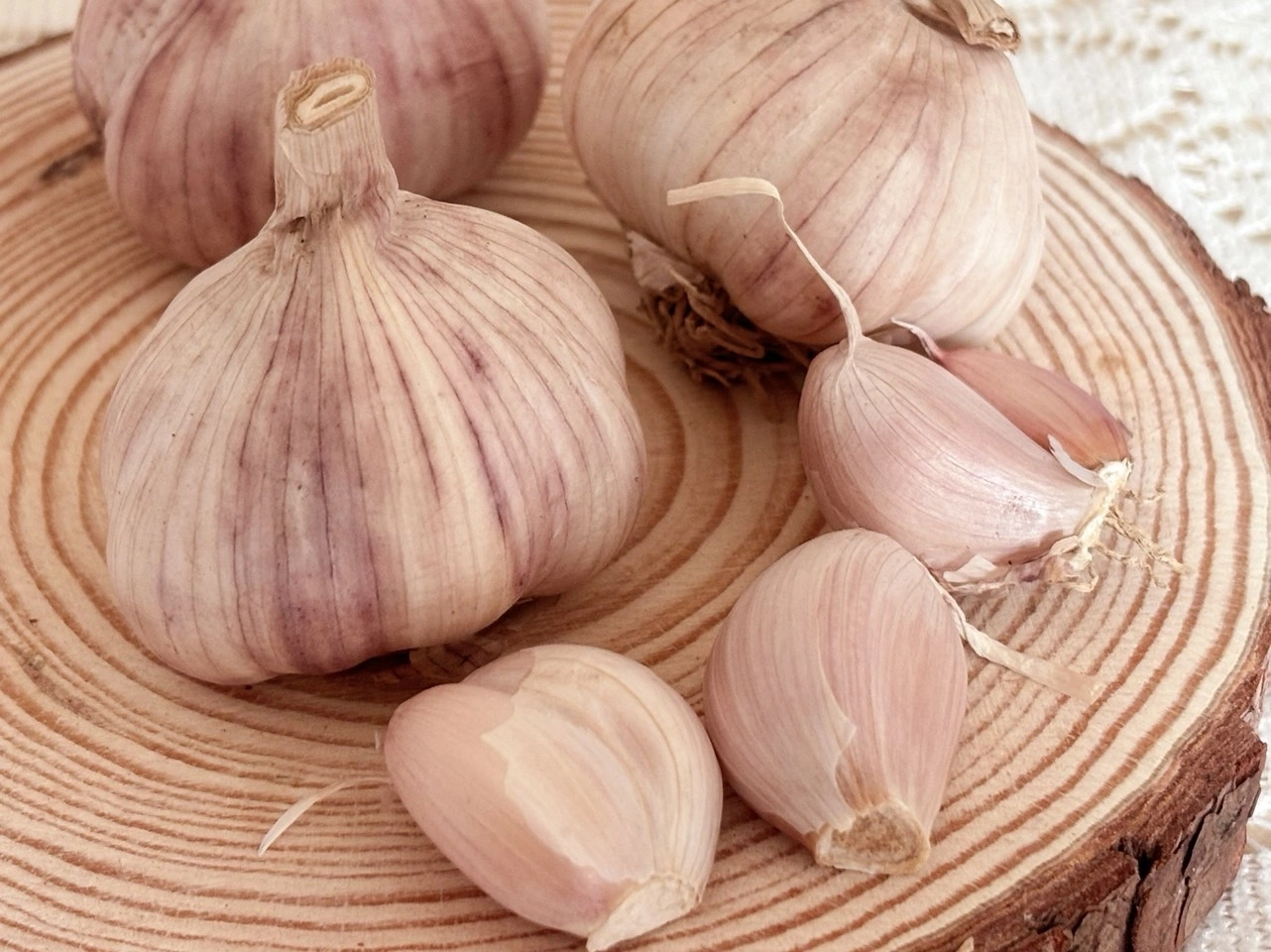 |
Garlic
Garlic is rich in allicin, a compound with anti-inflammatory and antioxidant properties. Regular garlic consumption helps lower blood pressure, reduce cholesterol, and limit plaque formation in arteries, thereby benefiting cardiovascular health.
Garlic also serves as a salt alternative in cooking, helping reduce daily sodium intake and supporting kidney function.
By Bao Bao (Compiled)
Photo: Bao Bao