 |
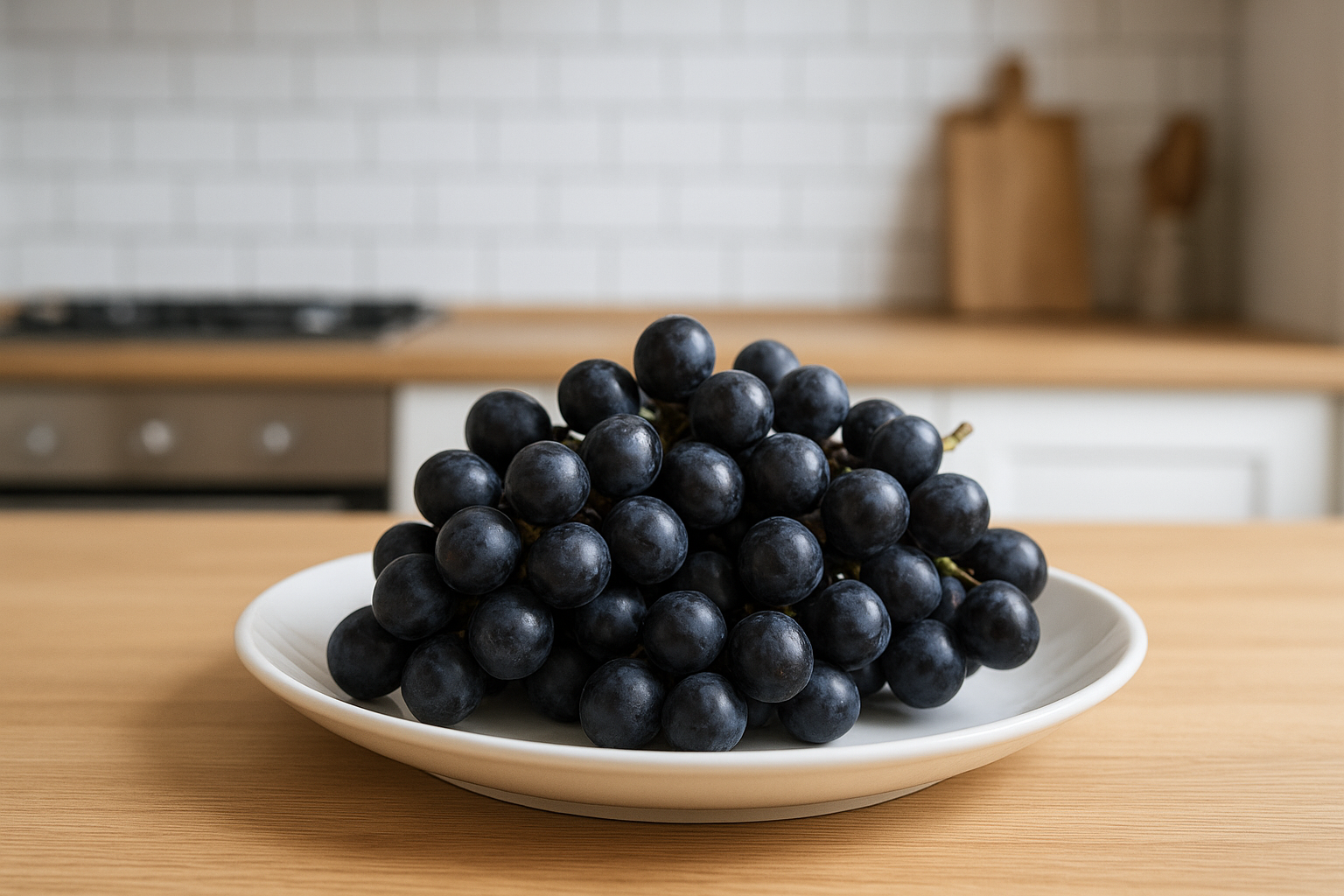
Black grapes
Black grapes are rich in antioxidants, such as resveratrol, which helps lower bad cholesterol, protect blood vessels, and support cardiovascular health. It is recommended to consume the grapes with their skin after washing them thoroughly with diluted salt water, limiting intake to about 200 g daily.
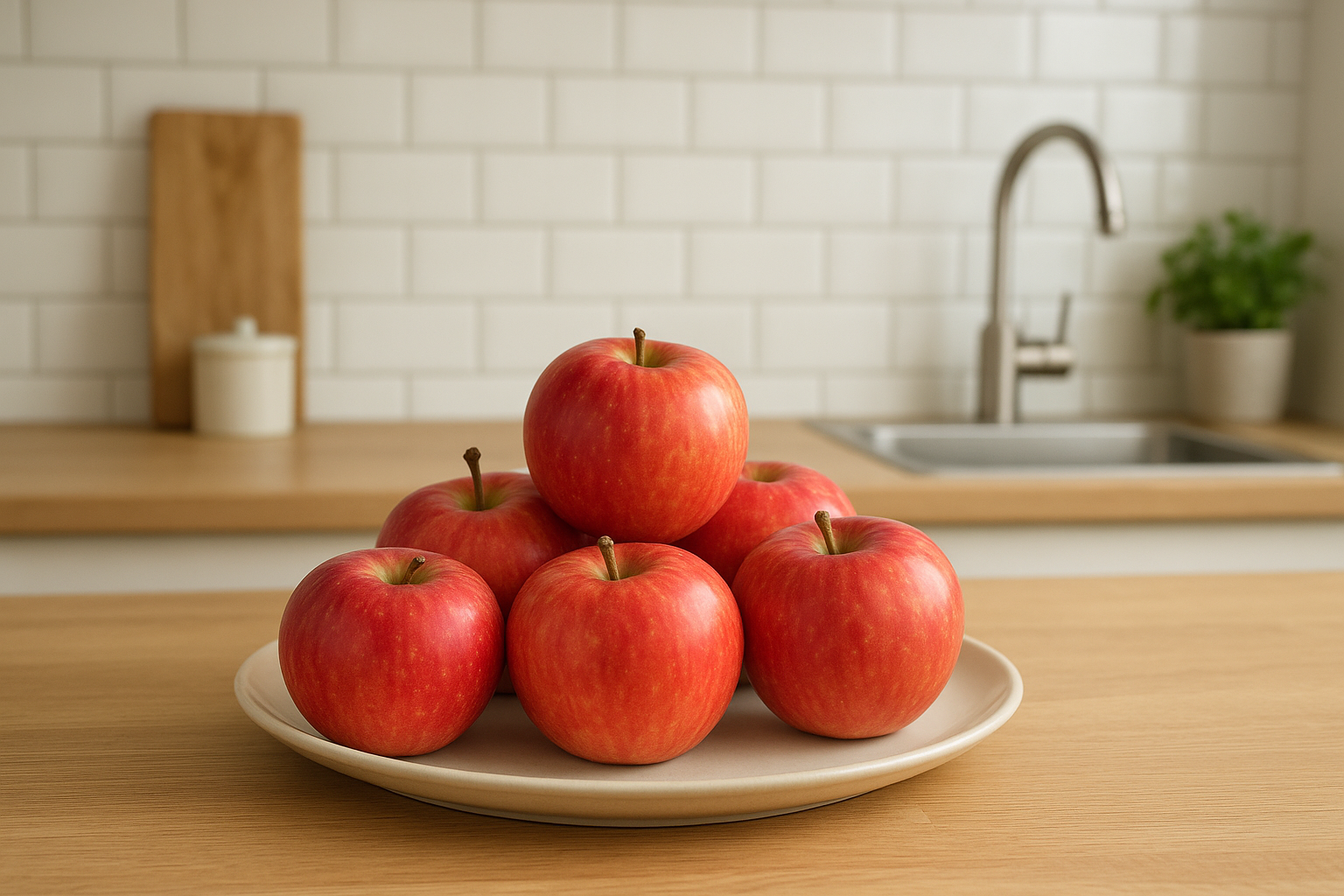 |
Apples
Rich in fiber and polyphenol plant compounds, apples contribute to lowering cholesterol levels, controlling blood pressure, and improving overall cardiovascular function. Regular consumption of apples also aids digestion, supports weight management, enhances vision, and boosts brain function.
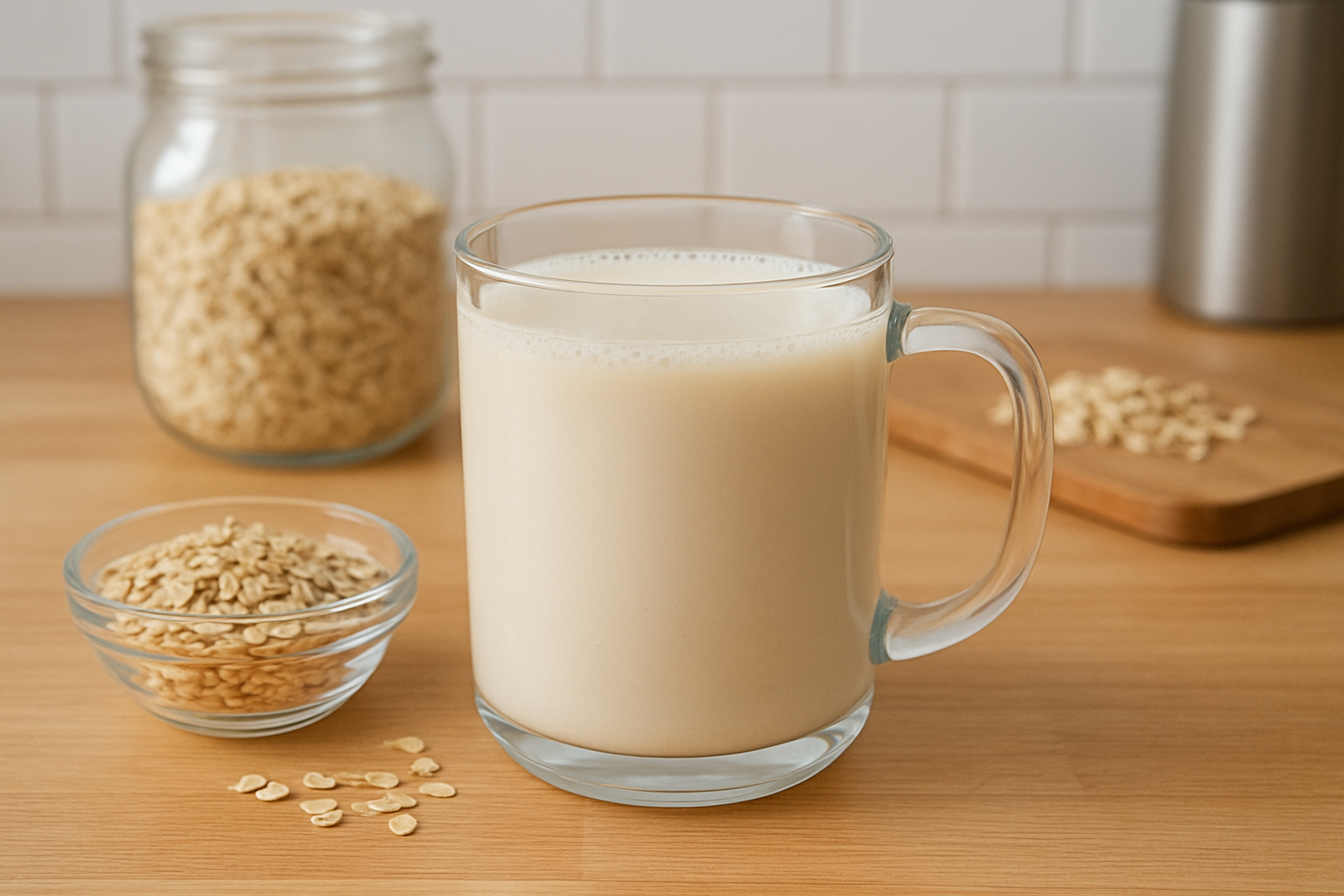 |
Oats
The soluble fiber in oats is an effective choice for reducing excess cholesterol. Consuming oats with kidney beans, apples, and pears provides soluble fiber that actively works to lower bad cholesterol. Prepare oats daily by cooking them with boiling water, fresh milk, or yogurt.
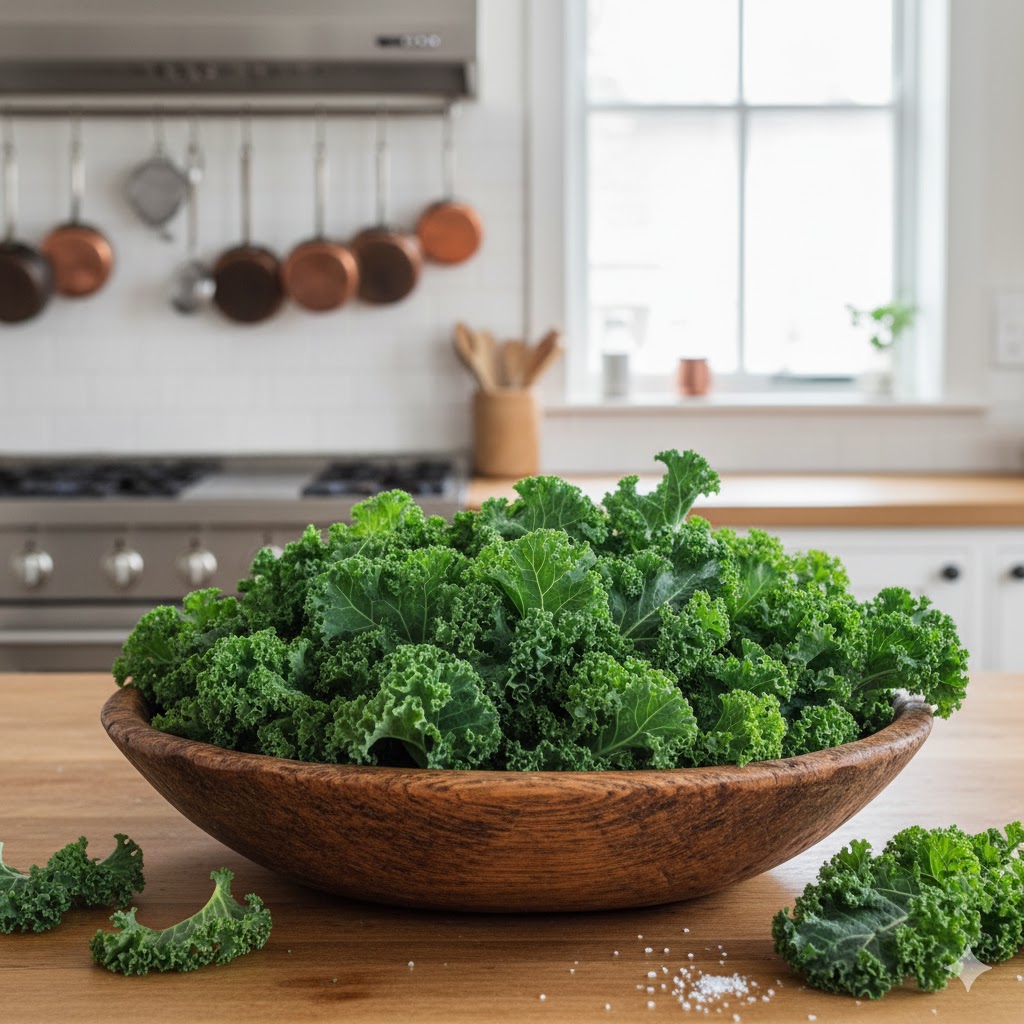 |
Green leafy vegetables
Green leafy vegetables, such as spinach and kale, are rich in nitrates that help lower blood pressure and support healthy blood vessels. These vegetables also reduce inflammation, regulate heart rate, and contribute to preventing arterial plaque, thereby promoting heart health and reducing stroke risk.
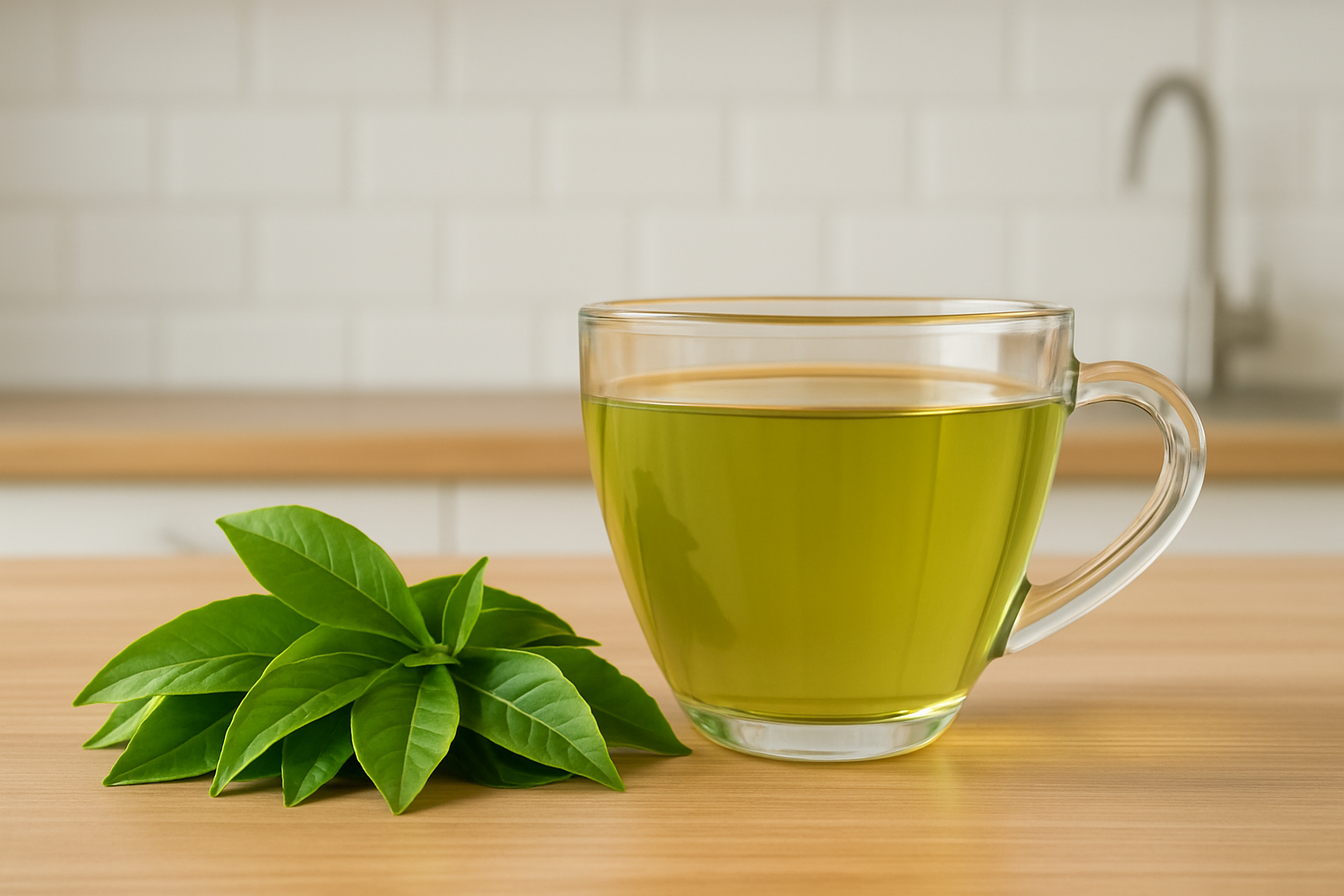 |
Green tea
Green tea, abundant in catechins and antioxidants, can improve blood circulation, reduce cholesterol, and support cardiovascular health. You can drink 2-3 cups daily, 30-60 minutes after meals, but avoid consuming it on an empty stomach or before bedtime.
Le Nguyen (According to Hindustan Times)
Photo: AI