 |
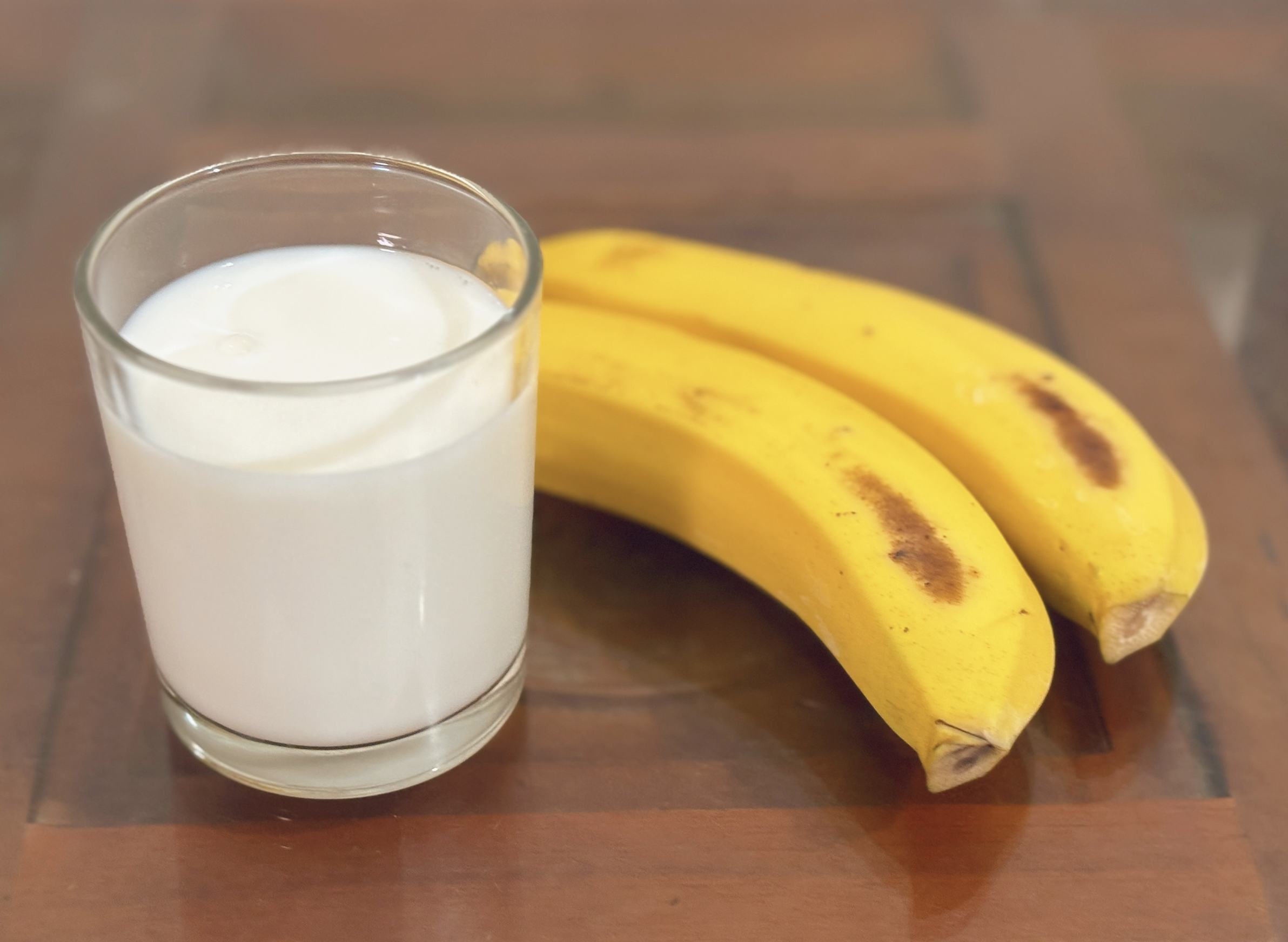
Bananas, especially when slightly green, are a good source of resistant starch. This type of fiber acts as a prebiotic, nourishing beneficial bacteria in the colon and supporting the production of short-chain fatty acids. This contributes to improved gut health and overall well-being.
Add bananas to smoothies, yogurt, oatmeal, or eat them directly as a snack to harness their benefits.
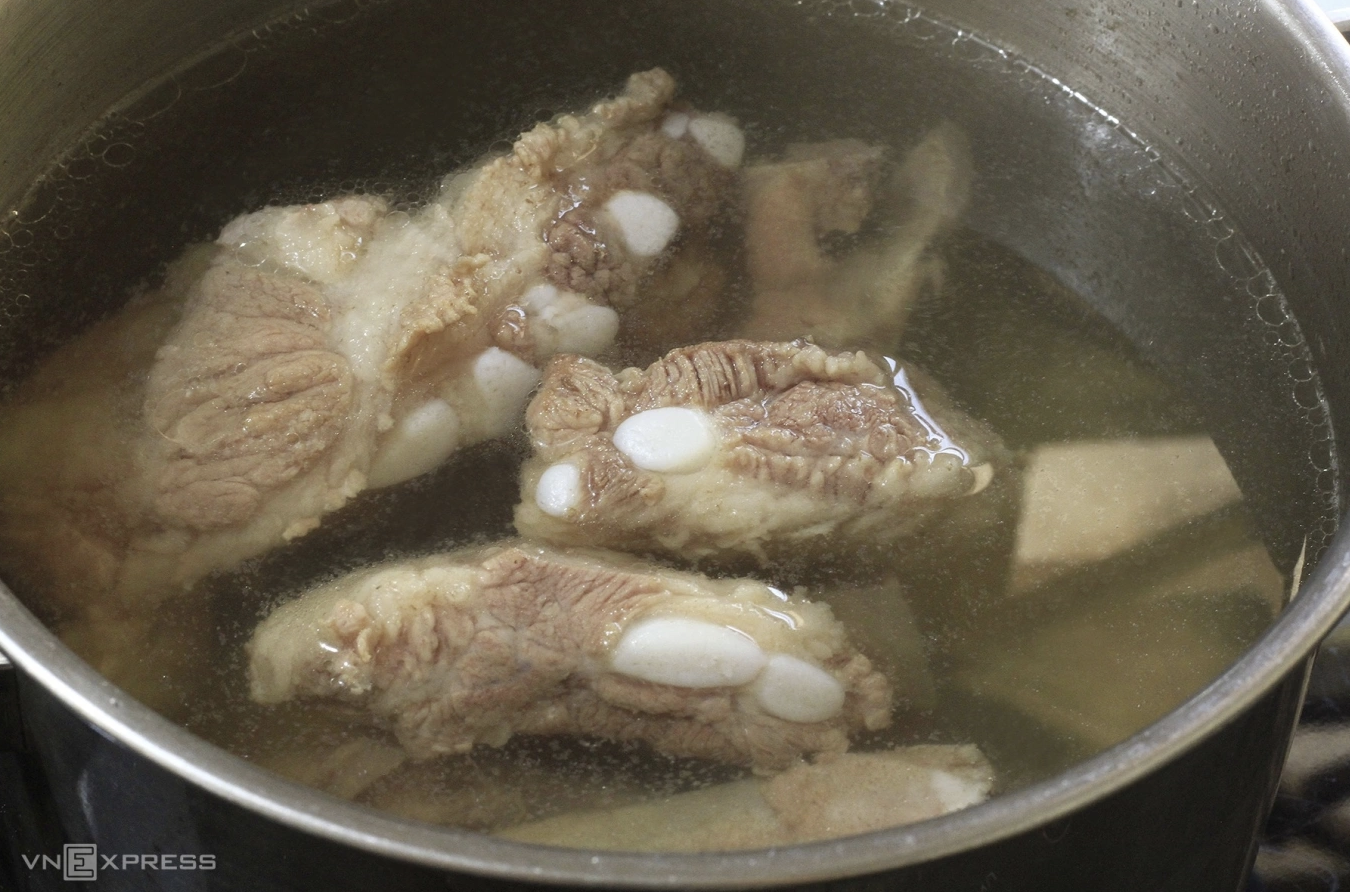 |
Bone broth, made by simmering animal bones in water for an extended period, contains collagen, minerals, and amino acids—the building blocks of protein.
The amino acids and minerals in bone broth are believed to offer several gut benefits, such as reducing inflammation and improving gut barrier function. Use bone broth in soups, when cooking grains, and in sauces to diversify meals.
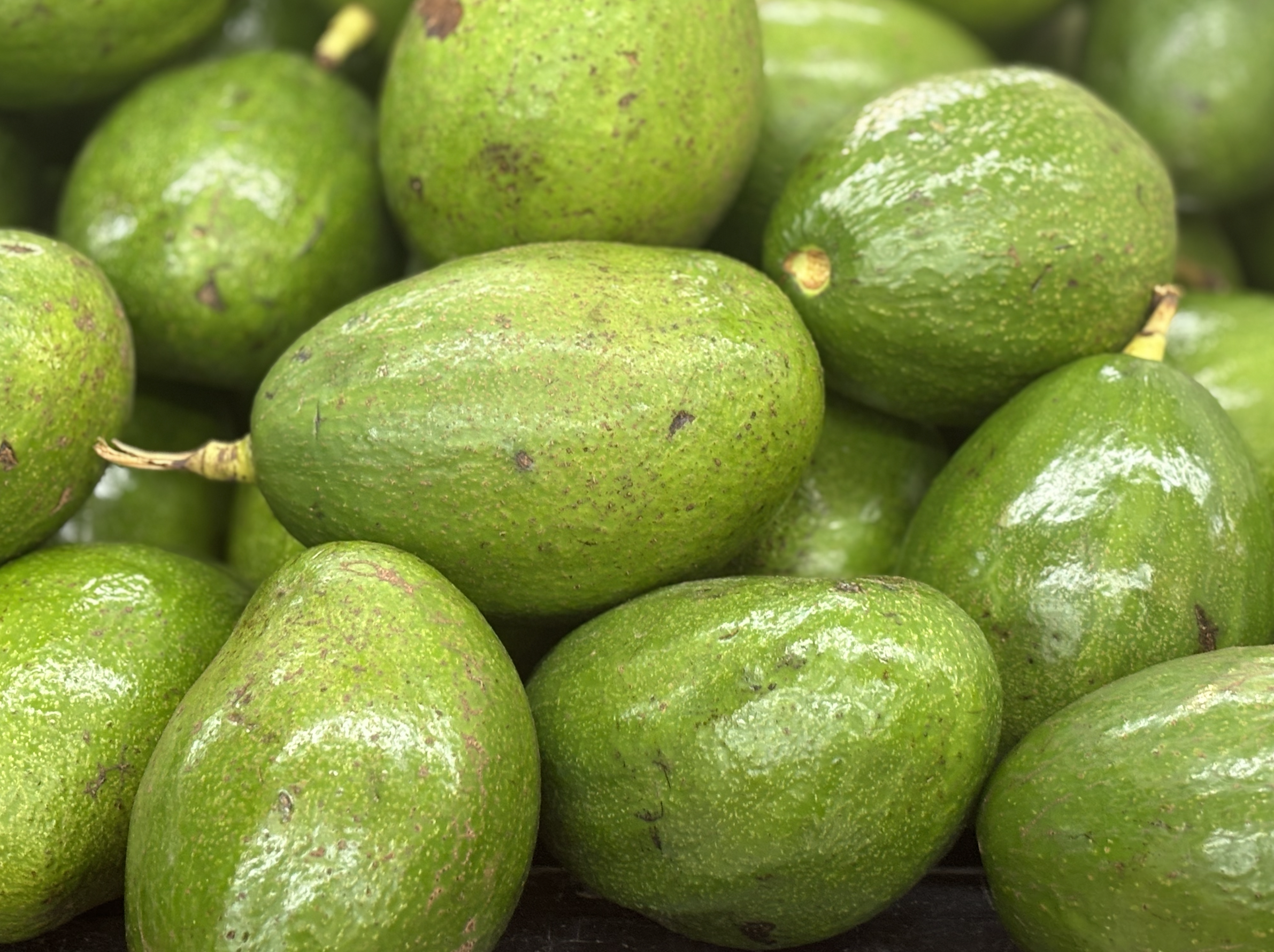 |
Avocados are rich in nutrients and fiber, which can support gut health by providing nourishment for the bacteria living in the digestive tract. Avocados are delicious and nutritious when added to toast, salads, grain dishes, or used as an ingredient to add richness to sauces and dips.
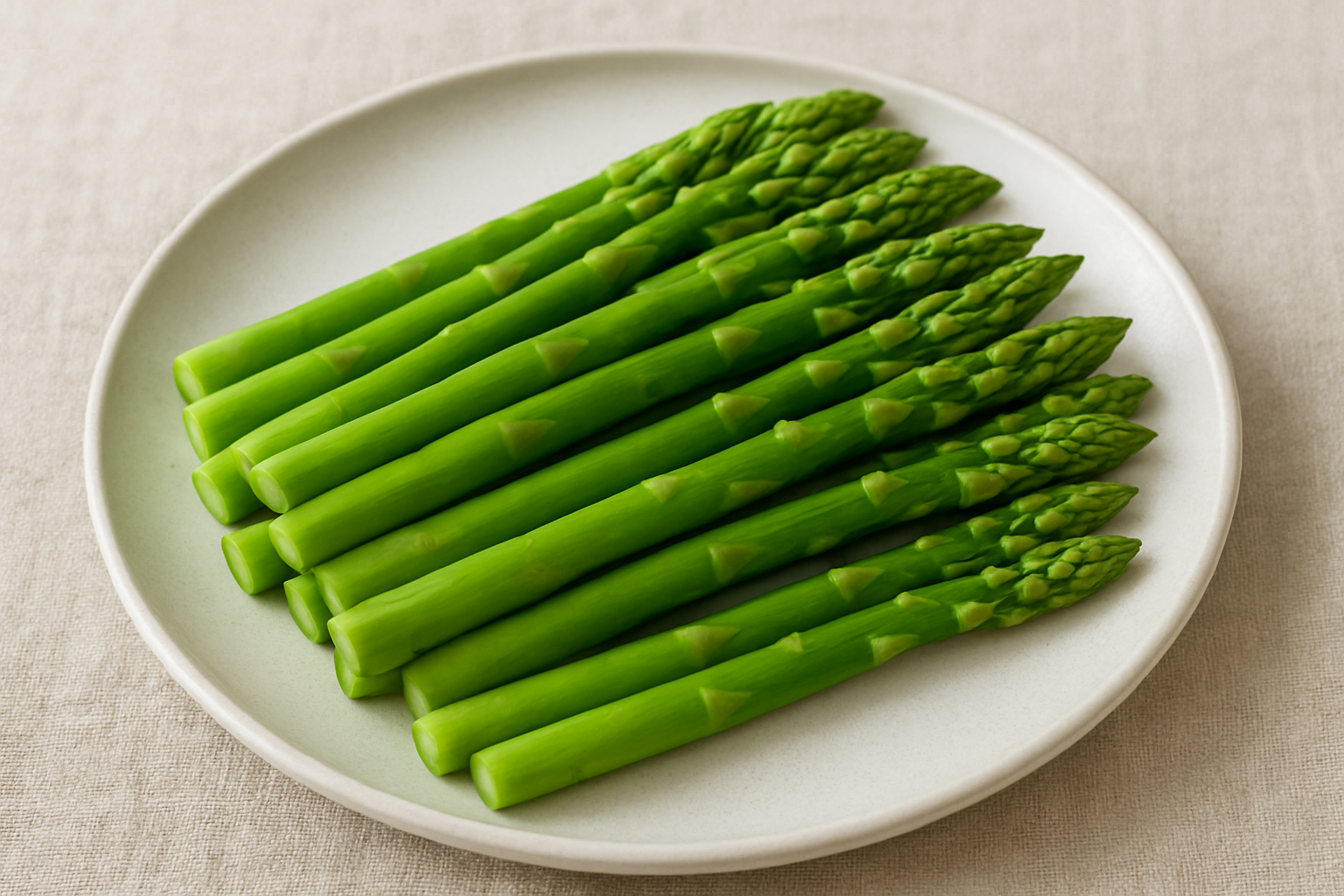 |
Asparagus contains inulin, a type of prebiotic fiber that helps nourish beneficial bacteria in the gut. Prebiotic fiber supports the growth and activity of gut bacteria associated with a healthy digestive system.
This vegetable is also rich in vitamin K, which may contribute to reducing gut inflammation and improving the microbiome. You can roast, saute, steam asparagus, or add it to salads and pasta dishes.
 |
Berries like blueberries, strawberries, and raspberries contain polyphenols and fiber. Both components are not fully digested in the stomach, thereby supporting gut health.
The fiber in berries promotes healthy digestion, while polyphenols can contribute to a favorable environment for the gut microbiome. Berries are suitable additions to yogurt, oatmeal, smoothies, or eaten directly as a snack.
Bao Bao (compiled)
Photos: Bao Bao, Bui Thuy, AI