Incorporating a variety of fiber-rich foods helps meet daily fiber requirements, provides essential vitamins, and supports stable digestive function. Some types of fiber promote bowel movements and aid waste elimination, while others contribute to satiety, thereby helping with weight management.
A diet high in fiber also helps prevent constipation and reduces the risk of certain chronic diseases. Men should consume about 28-34 g of fiber daily, while women need approximately 22-28 g. Varying fiber sources is recommended for a balanced and sustainable diet.
Pumpkin seeds contain over 5 g of fiber per 100 g serving. These seeds are also rich in magnesium, which helps control blood pressure. You can eat pumpkin seeds raw, roasted as a snack, or add them to salads, yogurt, or oatmeal. Avoid consuming too many pumpkin seeds at once, as this can cause bloating.
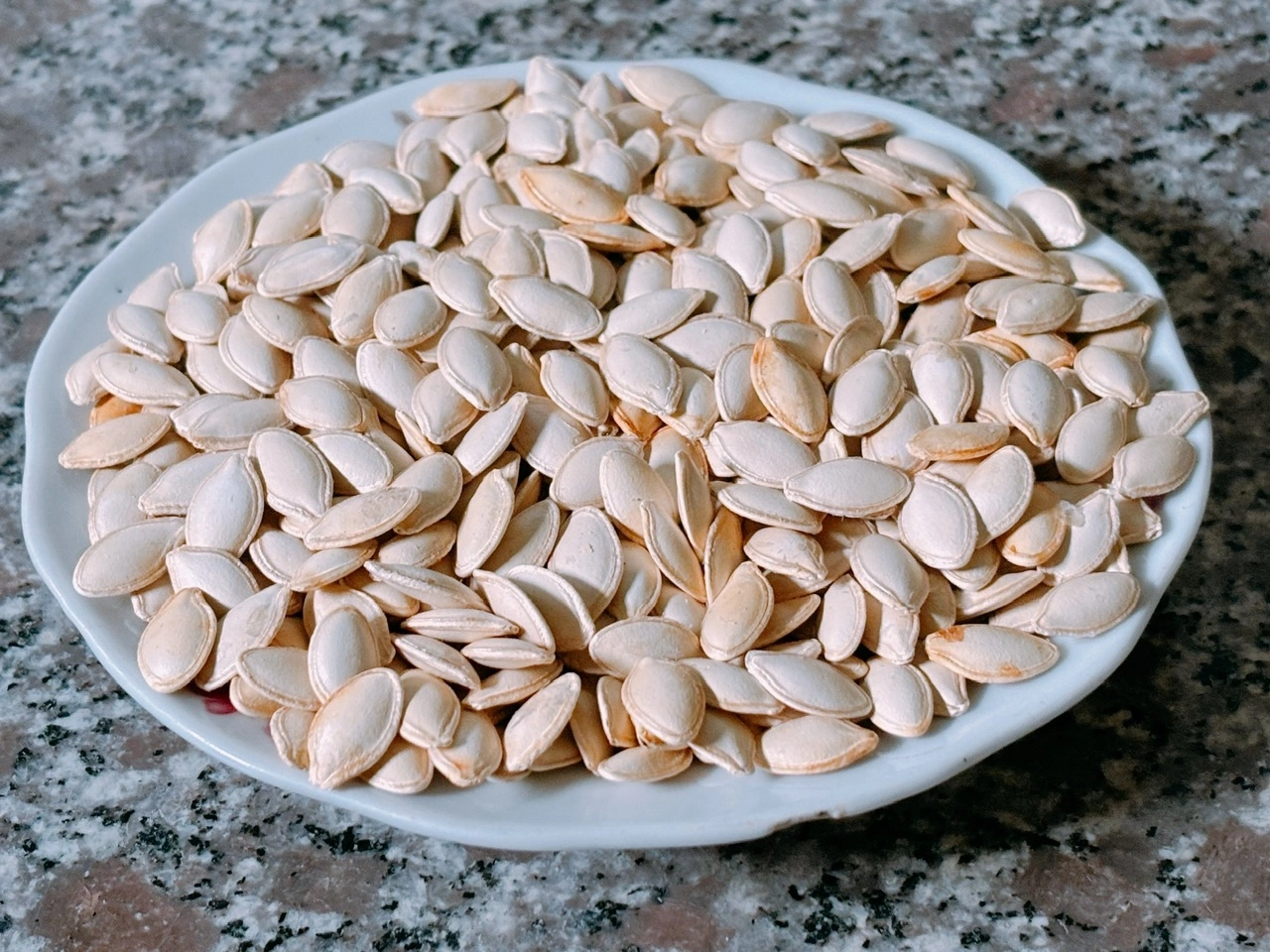 |
Pumpkin seeds are rich in fiber and other nutrients. Photo: Bao Bao |
Spinach provides about 4.3 g of fiber, supporting bowel movements and a healthy gut microbiome. According to Verywell Health, this vegetable is also rich in antioxidants like vitamins A, C, E, K, iron, and folate, which help protect the body from certain chronic diseases. Spinach can be used in pasta, soups, boiled dishes, or stews to enhance the nutritional value of meals.
Avocados are an excellent source of monounsaturated fats, which help lower "bad" LDL cholesterol. This creamy, green fruit also supports heart health, aids in weight loss, and reduces intestinal inflammation. Approximately 5 g of fiber in each avocado can promote smoother digestion.
A medium-sized pear contains nearly 6 g of fiber, making it suitable as a snack, dessert, or addition to salads. Beyond fiber, pears also provide vitamin C and beneficial plant compounds, supporting digestion, reducing constipation, and protecting heart health.
Chickpeas offer about 6.3 g of fiber per 50 g serving. Cooked chickpeas also contain folate, manganese, and over 7 g of protein. The fiber and protein in chickpeas help you feel full longer and provide beneficial bacteria to maintain a healthy gut microbiome.
According to Mayo Clinic, increasing fiber intake too quickly can lead to bloating, diarrhea, cramping, and abdominal distension. It is advisable to gradually increase fiber intake over several weeks. When consuming more fiber, adequate water intake is crucial, as fiber functions best when it absorbs water, preventing intestinal issues.
Anh Chi (Compiled)
| Readers can submit questions about digestive diseases here for doctors to answer. |