On 23/7, a representative from Nong Nghiep General Hospital announced that the young patient was admitted with severe abdominal pain, which developed rapidly and progressively worsened. Laboratory tests and imaging diagnostics confirmed a foreign object deeply lodged in the boy's rectum, causing severe damage.
The family reported that the boy initially experienced abdominal pain that did not subside with medication, prompting them to seek emergency hospital care. According to a report from the People's Committee of Dai Thanh Commune, where the boy resides, the family stated that in 10/2025, while walking home from school across a field, the boy was allegedly restrained by two masked strangers who inserted a ballpoint pen into his anus. However, he was too frightened to inform his family.
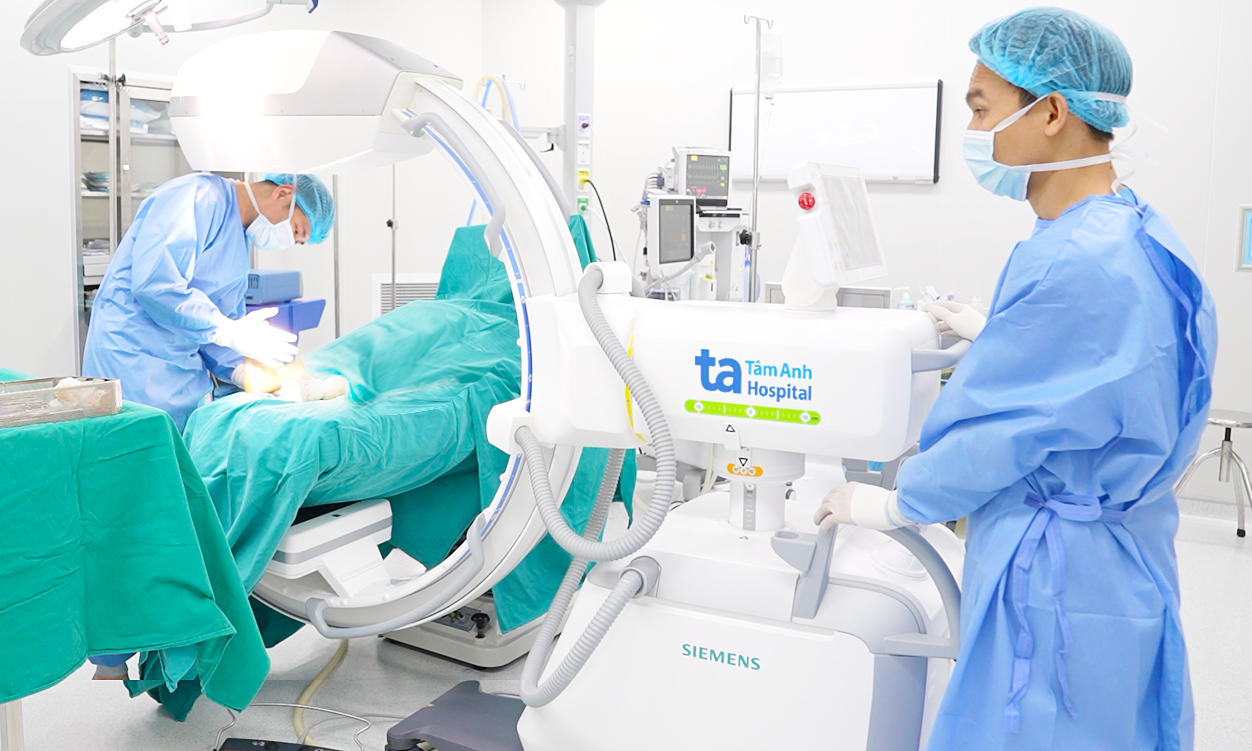
The boy underwent surgery to remove the foreign object. Doctors spent nearly six hours extracting the ballpoint pen, while also addressing the perforated colon, repairing bladder damage, removing necrotic bowel, and creating a colostomy.
It remains unclear whether this ballpoint pen was inserted into the boy's body by the two young men, as the family's account suggests.
Following surgery, the boy is conscious and no longer experiencing severe abdominal pain. Doctors are continuing to monitor his condition, provide postoperative care, and develop a treatment and rehabilitation plan.
The family reported the incident to both the school and local authorities. The boy has been absent from school without permission since the second semester of the 2055-2026 academic year. The school reviewed his entire academic history but found no prior conflicts between him and other students.
Police are currently investigating the incident.
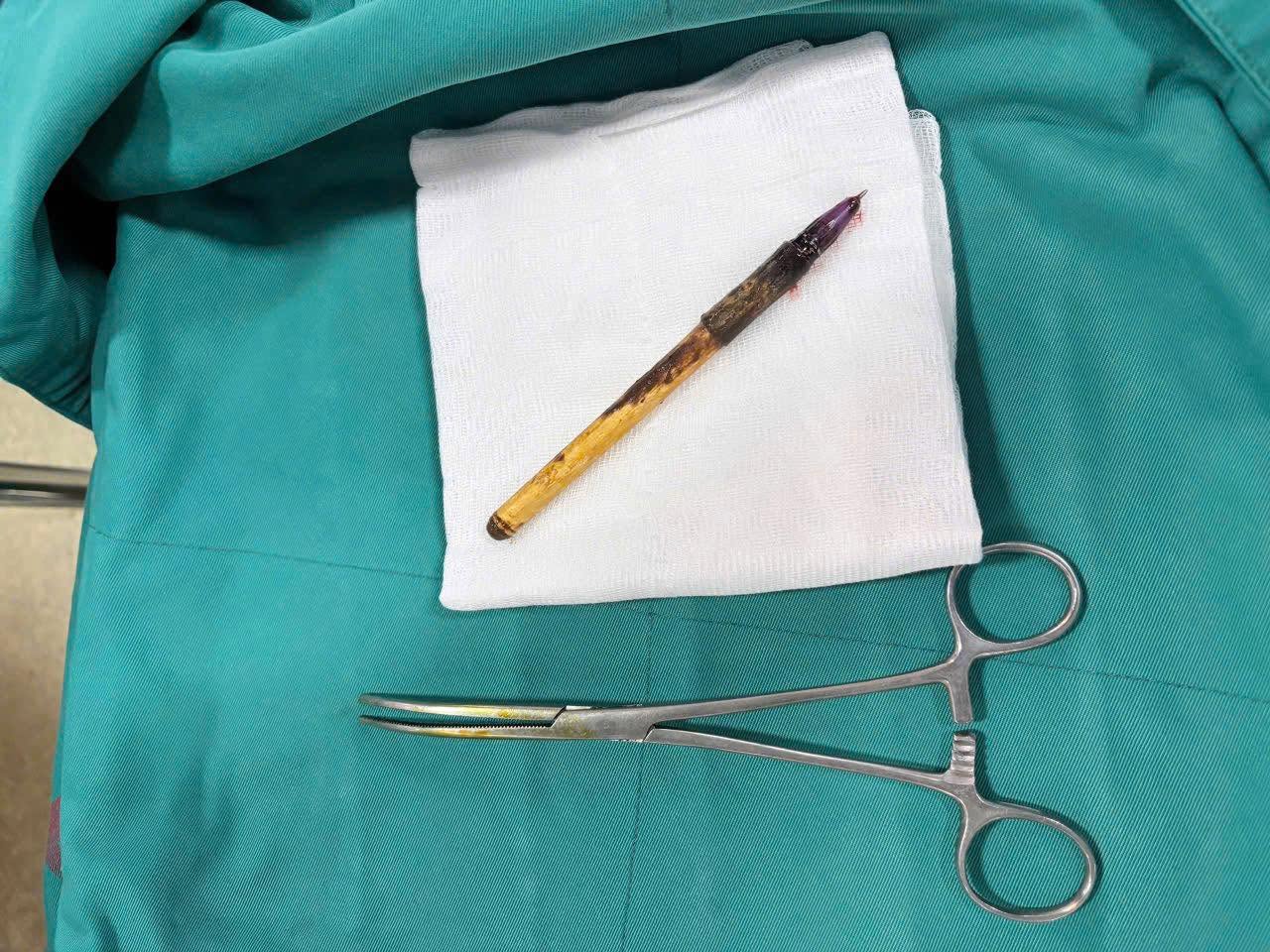 |
The ballpoint pen removed from the boy's body. *Photo: Hospital provided* |
Rectal-anal foreign objects pose a serious risk, potentially leading to intestinal perforation, peritonitis, sepsis, and damage to nearby organs such as the bladder.
Parents should be vigilant for symptoms in children such as prolonged or severe abdominal pain of unknown origin, anal or rectal pain, rectal bleeding, fever, vomiting, difficulty with bowel movements, or progressively worsening pain. If a child exhibits fear, avoidance, psychological changes, or conceals their health status, parents should not be complacent or attempt home treatment. Instead, they must take the child to a medical facility with a surgical specialty for prompt examination and management.
Beyond physical health, parents should regularly talk with their children, listen attentively, and foster a sense of security so children feel comfortable sharing any unusual occurrences. Early detection not only enhances treatment effectiveness but also limits severe health and psychological consequences.
Thuy Quynh