Bloating can appear suddenly or immediately after meals high in fiber or fried foods, causing abdominal discomfort. The cause can be constipation, irritable bowel syndrome (IBS), swallowing too much air, or food intolerance. Below are some morning habits that can reduce this condition.
Pay attention to breakfast
Breakfast is important for maintaining energy and normal activity throughout the day. Skipping meals can lead to cravings and overeating later, increasing the risk of bloating. To prevent this, eat breakfast slowly and chew thoroughly, which helps the digestive tract work easily and improves digestion. Conversely, eating quickly and gulping down food easily leads to swallowing air, causing bloating.
Avoid foods that cause bloating
Bloating occurs when gas gets trapped in the digestive tract, so reducing foods that produce excess gas helps prevent it. In the morning, limit items such as pastries, milk (if lactose intolerant), cruciferous vegetables (broccoli, cabbage, brussels sprouts), carbonated drinks, and processed foods containing fructose.
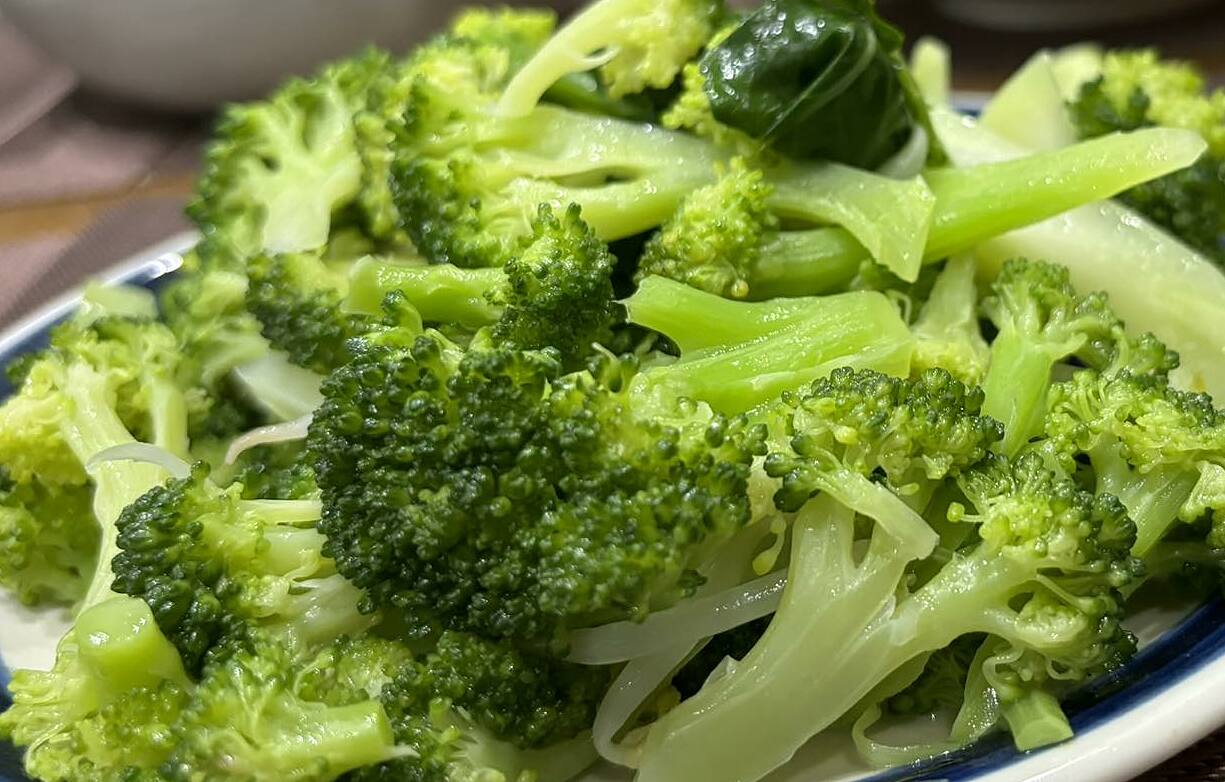 |
Eating broccoli in the morning can easily cause bloating. Photo: Anh Chi |
Drink one glass of water
Drinking water after waking up can stimulate bowel movements, preventing constipation and bloating. Adults should drink one to two glasses. Warm water supports better digestion, while cold water can slow this process.
Practice deep breathing
The gut and mind are closely linked via the vagus nerve; mental state directly affects digestion. After breakfast, spending a few minutes practicing deep breathing helps train abdominal muscles, calms the nervous system, reduces stress, and creates a favorable environment for the gut. Practicing deep breathing for 30 minutes also helps control bloating and constipation in people with irritable bowel syndrome.
Incorporate light physical activity
A gentle 10-15 minute walk after a meal helps contract stomach and intestinal muscles, promoting burping and flatulence, thereby reducing bloating. Avoid running or intense activities; instead, take a light walk or practice yoga after 10-20 minutes.
In some cases, persistent bloating can signal a serious digestive illness. If bloating is accompanied by abdominal pain, bloody stools, diarrhea, vomiting, or unintentional weight loss, seek medical attention for timely diagnosis and treatment.
Anh Chi (According to Eating Well)
| Readers can submit questions about digestive diseases here for doctors to answer |