 |
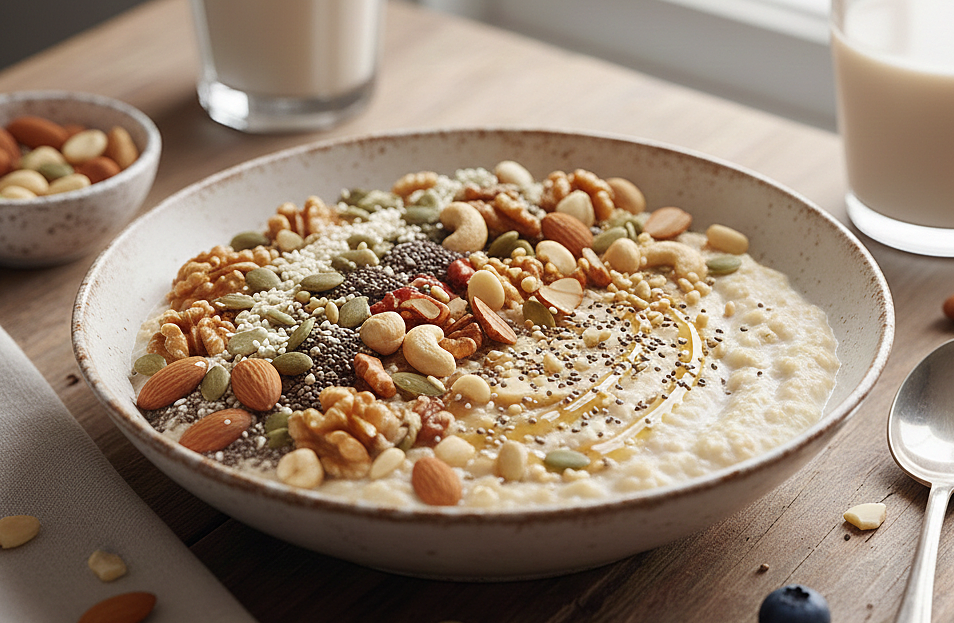
Nuts enhance the crispiness, flavor, and nutritional value of oatmeal. Options like almonds, walnuts, cashews, sunflower seeds, and chia seeds offer healthy fats, fiber, and protein. These nutrients support memory, brain health, and help maintain a stable weight. |
Oatmeal, rich in soluble fiber beta-glucan, forms a gel when mixed with water, which slows digestion. This increases satiety and helps limit calorie intake. With a low glycemic index (GI) and minimal sugar, oatmeal is an ideal food for weight loss.
Combining oatmeal with fresh fruits such as strawberries, grapes, peaches, apples, bananas, mangoes, watermelon, or pears enriches the body with fiber, vitamins, and antioxidants. Fruits, being high in water and micronutrients, support immune function, provide sustained energy, and aid in fat burning and weight management.
 |
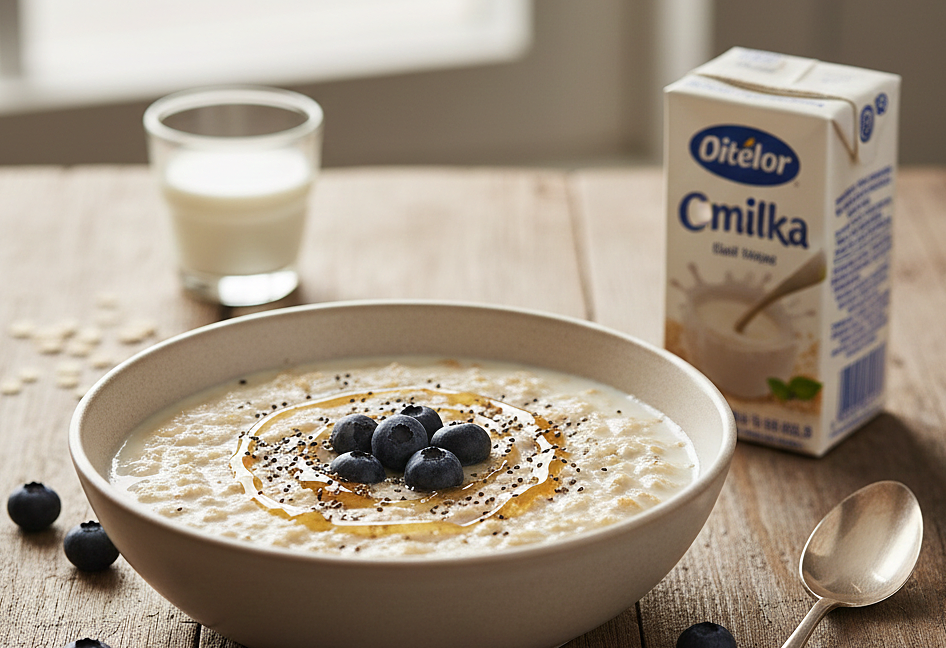
Adding milk to oatmeal enhances its flavor and texture, making it creamier than when cooked with water. Milk provides protein, which supports muscle health and prolongs fullness. It also contains calcium and vitamin D, both essential for strong bones and muscles. |
 |
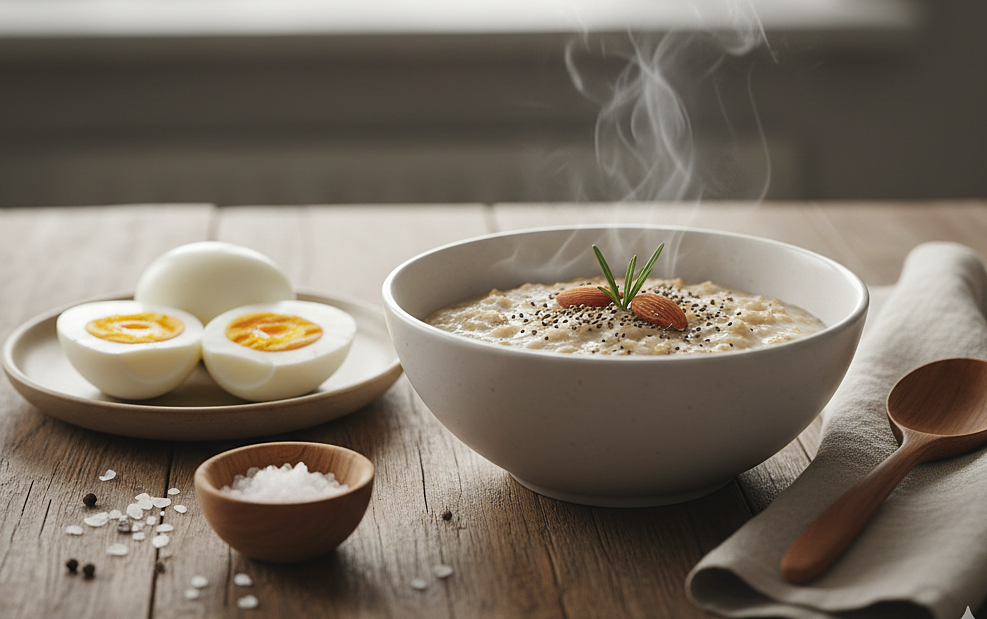
Eggs are a nutrient-dense food. Incorporating one or two eggs into oatmeal can enhance its nutritional value and aid in weight loss. Eggs offer complete protein, containing all 9 essential amino acids, beneficial fats, iron, selenium, vitamin D, and B12. This addition creates a more balanced and nutrient-rich oatmeal dish. |
 |
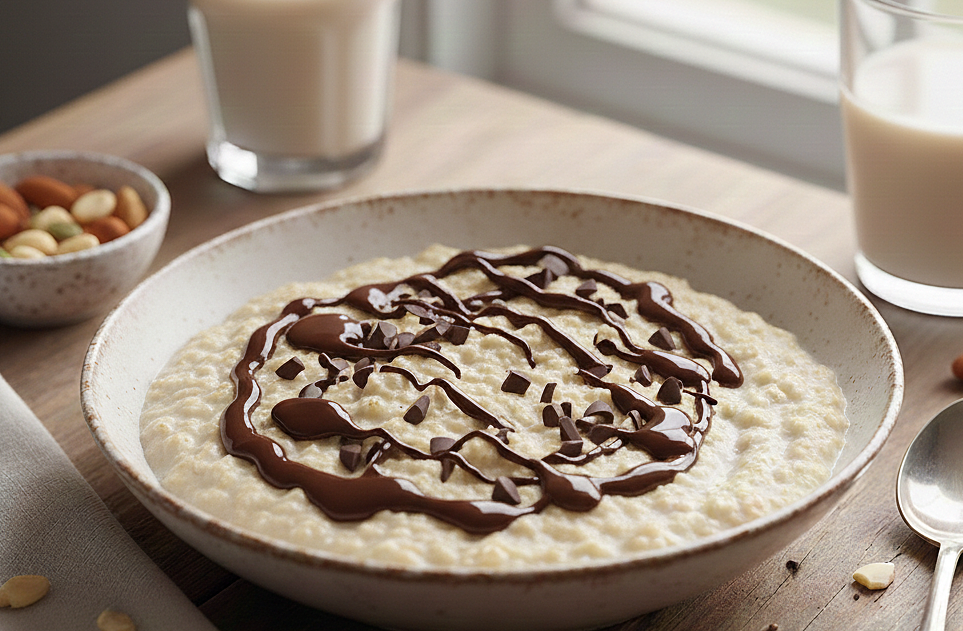
Dark chocolate can be a beneficial topping for oatmeal, providing protein and flavonoid antioxidants. These antioxidants help reduce inflammation, protect cells from damage, and support weight loss. When sugar-free and low in calories, dark chocolate does not contribute to excess fat accumulation. |
 |
Anh Chi (Source: WebMD, Very Well Health)
Photos: Ly Nguyen, AI
Readers can submit questions about endocrine diseases here for a doctor's response.