Stress is the body's natural response to pressure. However, prolonged stress can trigger various warning signals from the body and brain, often going unnoticed.
**Increased irritability and overreaction**
Clinical psychologist Julie Smith, quoted by The Times of India, highlights irritability over minor issues as a classic sign of stress. Prolonged stress keeps the nervous system in a constant state of alert, leading to stronger reactions to otherwise trivial situations. This might manifest as frustration over a delayed text message, arguments with family, or difficulty managing emotions daily.
**Difficulty concentrating and forgetfulness**
Stress impacts emotions and impairs concentration. Healthline explains that the continuous release of hormones such as cortisol and adrenaline, in response to pressure, makes it difficult for the brain to sustain attention or process information effectively. Individuals often forget tasks, take longer to complete work, or constantly overthink and worry about multiple issues. This excessive rumination traps the brain in a stress loop, impairing decision-making.
**Fatigue and prolonged insomnia**
Prolonged stress disrupts sleep, causing difficulty falling asleep, shallow sleep, or frequent awakenings. This sleep deprivation leads to fatigue, reduces energy, and intensifies stress. Verywell Mind notes that insomnia is a common symptom of chronic stress. Even with adequate sleep, the body's insufficient recovery time can leave individuals feeling sluggish upon waking.
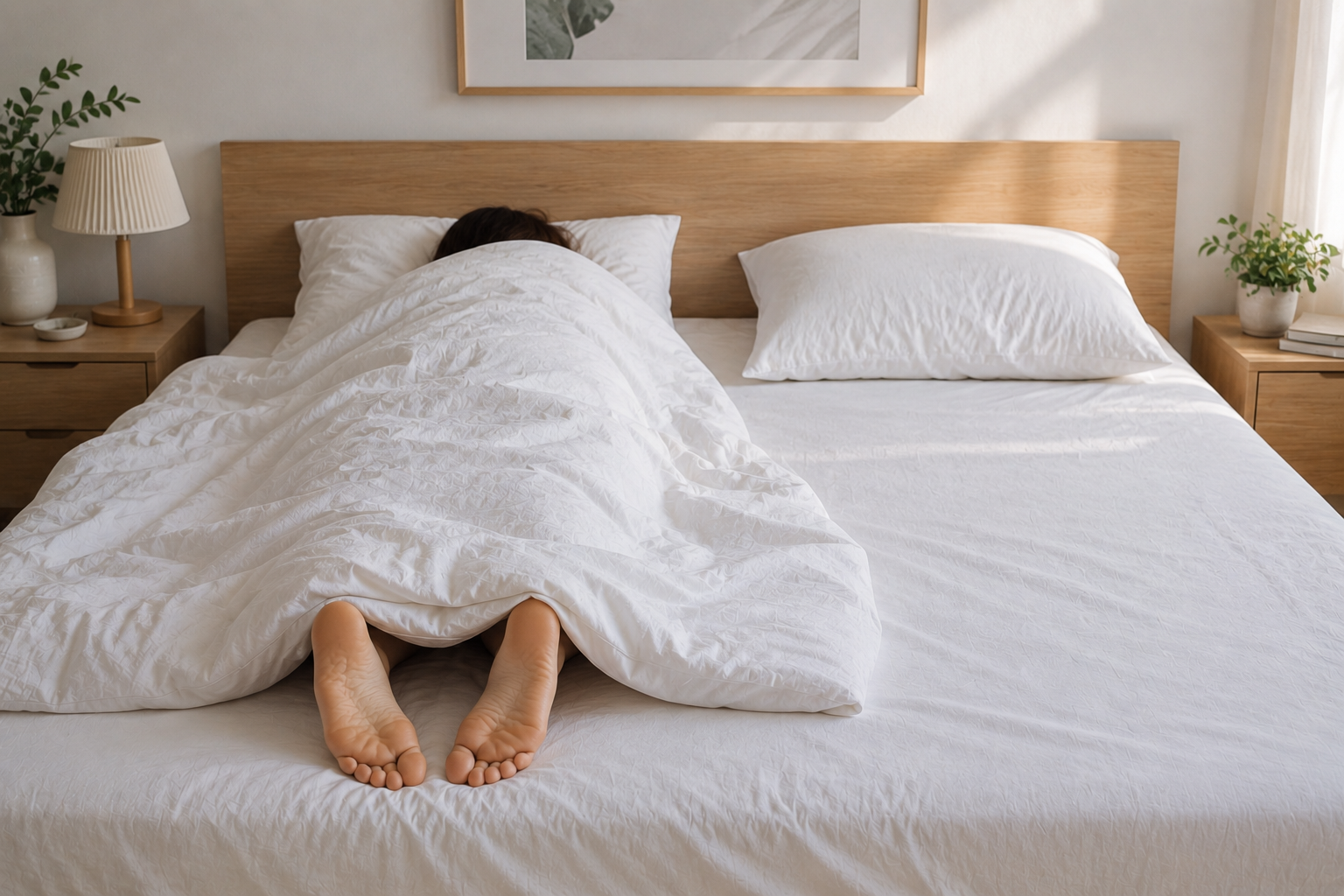 |
Prolonged insomnia or sleep disturbances can be signs of stress. Image created by AI |
**Reduced libido**
Prolonged stress affects work, friendships, and romantic relationships, potentially reducing libido. Many experiencing long-term pressure gradually lose interest in intimacy. When stressed, the body increases cortisol and adrenaline to trigger the "fight or flight" response. If this persists, the body prioritizes maintaining stress hormones, simultaneously reducing sex hormone production. This shift can decrease libido.
**Unusual physical symptoms**
Stress affects mental health and manifests through physical symptoms. Those with prolonged stress often experience headaches, muscle tension, digestive issues, rapid heartbeat, or appetite changes. Verywell Mind also notes that chronic stress can weaken the immune system, increasing susceptibility to common infections. If these symptoms appear frequently without a clear cause, consider stress as a potential factor.
While short-term stress is a normal bodily reaction, if these signs persist for several weeks and negatively impact work, relationships, or health, seeking ways to alleviate pressure is crucial. Strategies include adequate sleep, regular exercise, relaxation time, and sharing concerns with loved ones or a mental health professional. Early recognition of these signs is the first step to prevent stress from progressing to chronic stress or other mental health issues.
Bao Bao (Compiled)